
Self-Leveling Epoxy Flooring Systems Toronto
Engineered Fluidity for Perfectly Flat and High-Performance Industrial Surfaces
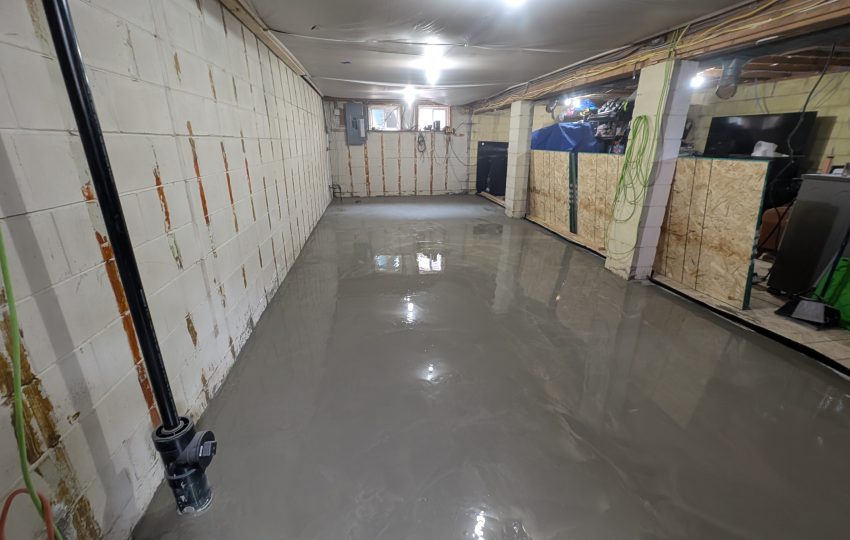
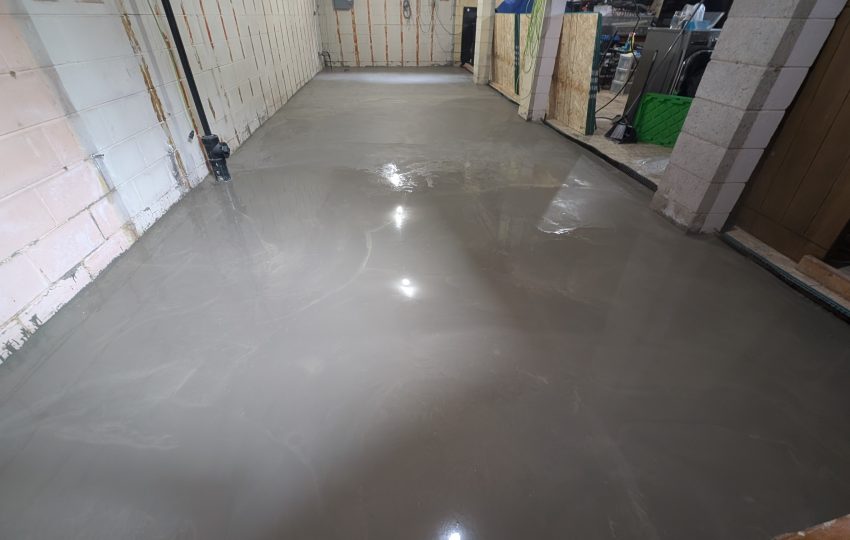
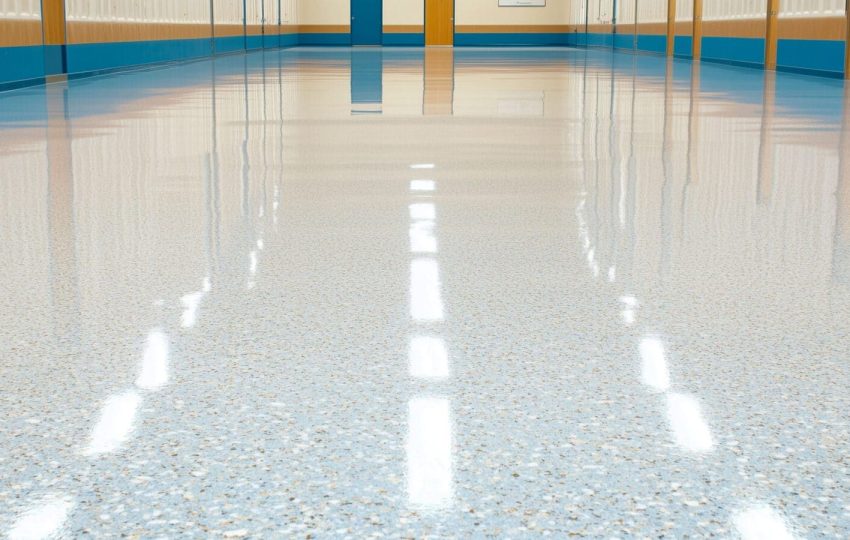
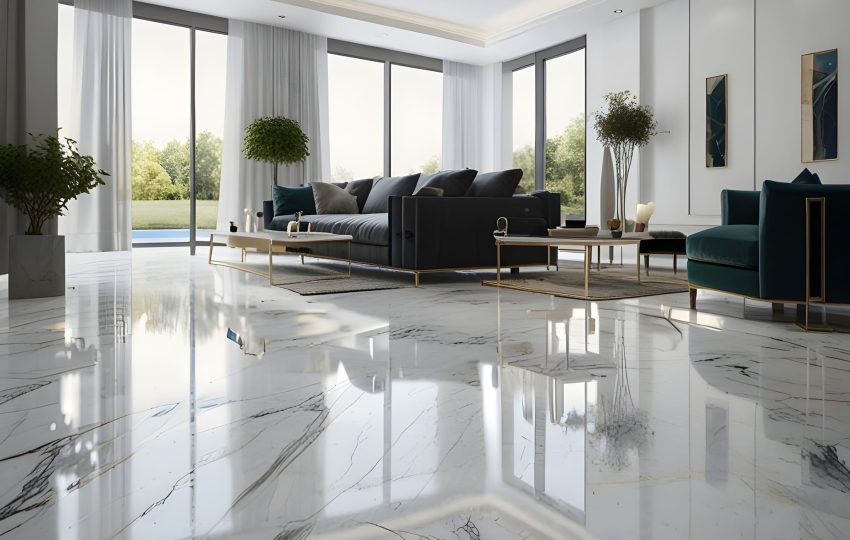
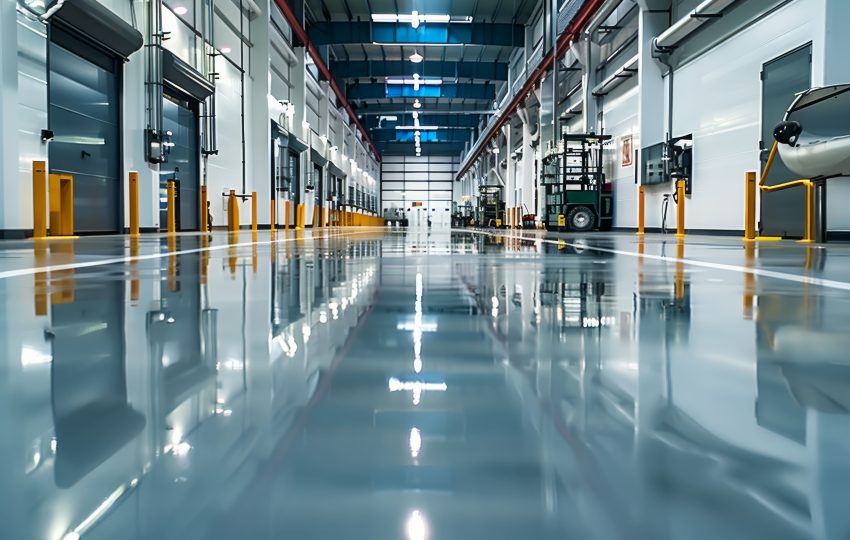
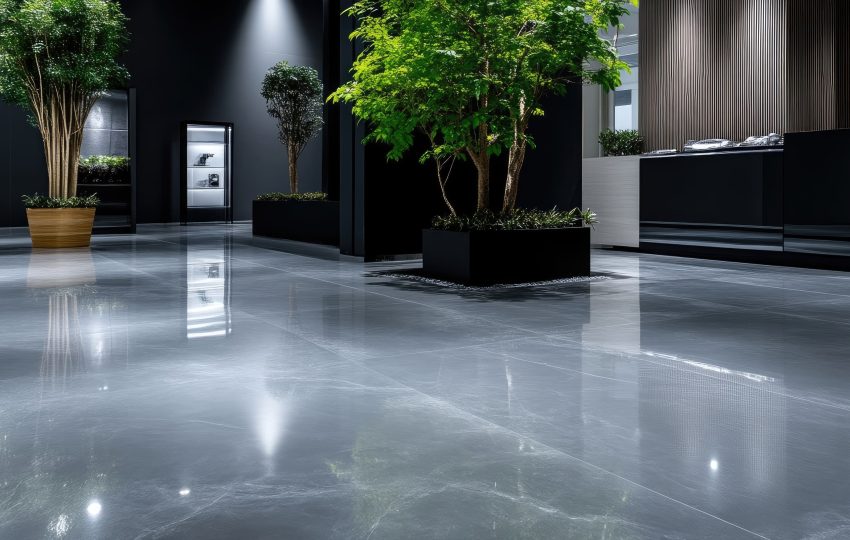
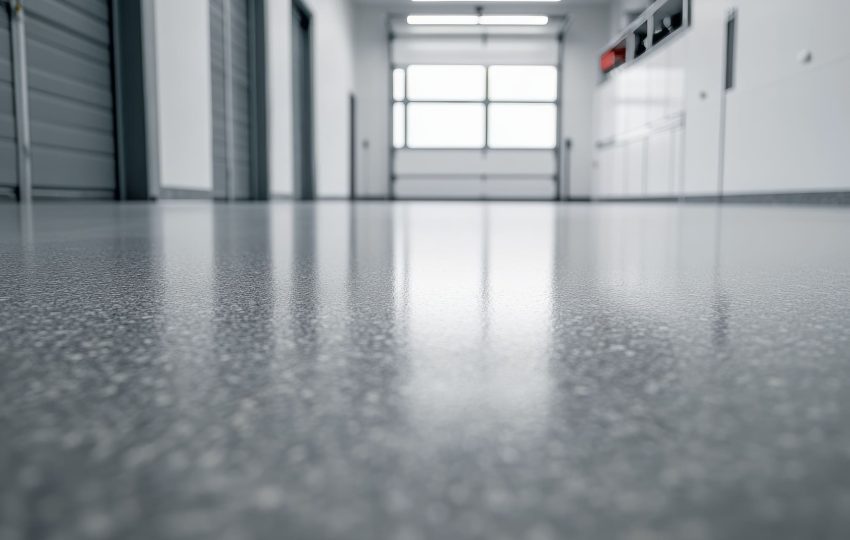
Self-leveling epoxy is a specialized high-build system designed to create a perfectly smooth, seamless, and level surface over uneven or pitted concrete. Unlike thin-film coatings that follow the profile of the substrate, self-leveling resins utilize gravity and specific viscosity engineering to fill voids and eliminate surface imperfections. At Procure Surface Solutions, we engineer these systems for environments requiring ultra-smooth finishes and high-gloss aesthetics across the Greater Toronto Area and surrounding industrial markets.
We do not simply “pour” resin; we engineer a monolithic surface that balances fluid dynamics with structural compressive strength.
Where Self-Leveling Systems Work — And Where They Don’t
Self-leveling systems are ideal for facilities where a flat, non-porous, and easily cleanable surface is mandatory.
Ideal Applications:
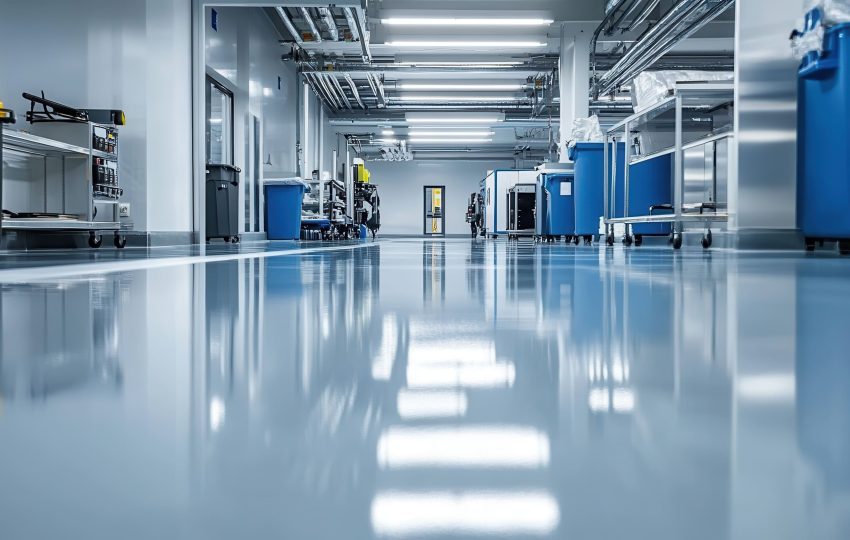
- Pharmaceutical cleanrooms and laboratories.
- Electronics and semiconductor manufacturing.
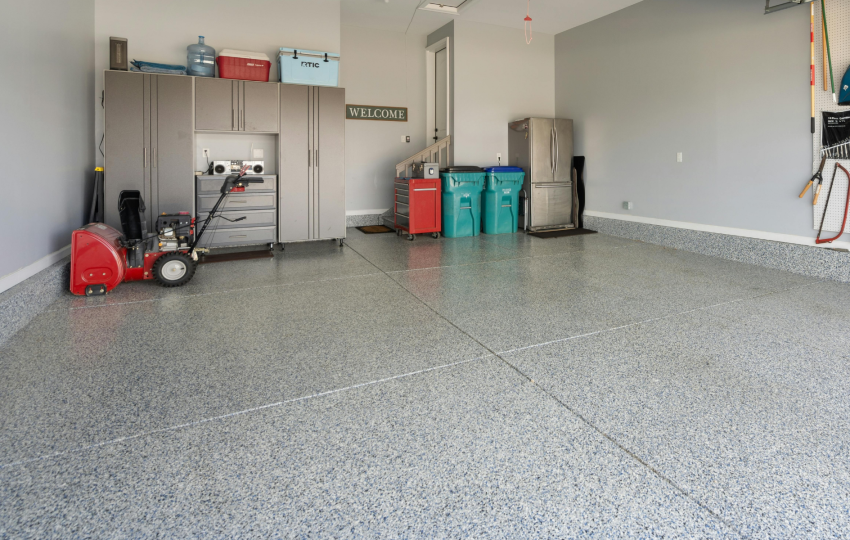
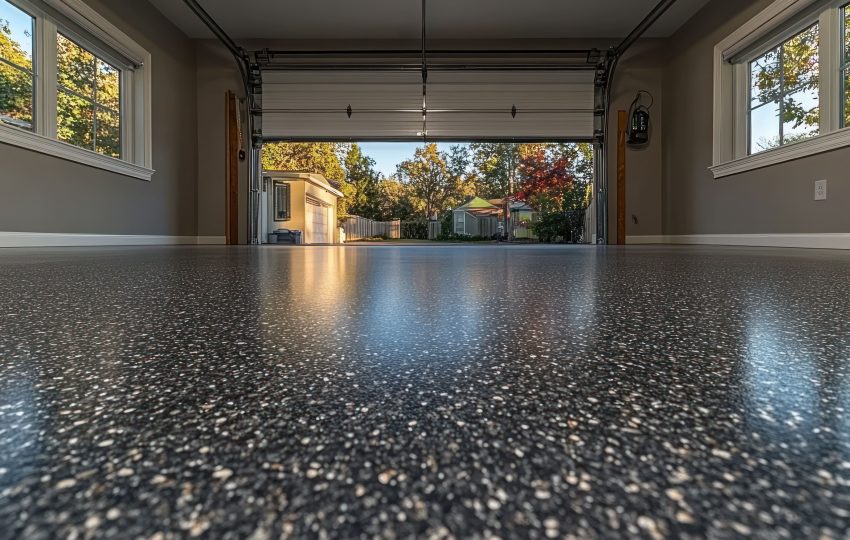
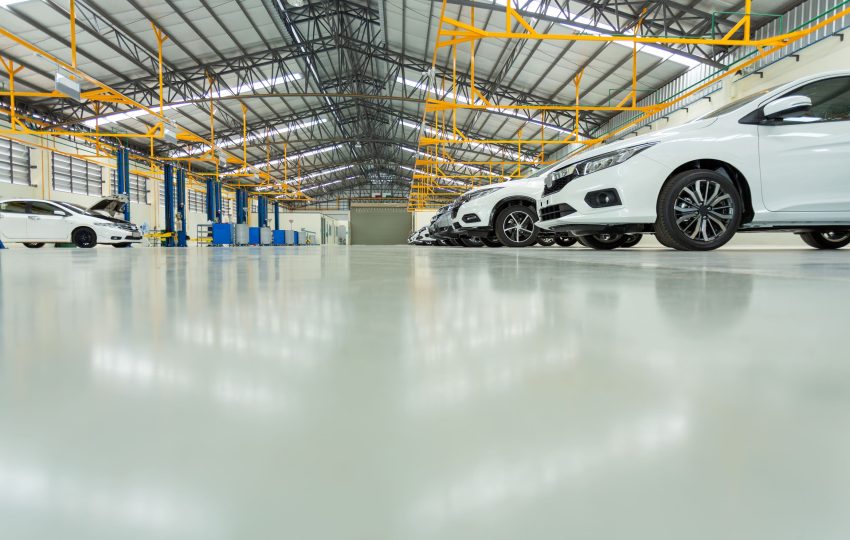
- Automotive showrooms and high-end residential garages.
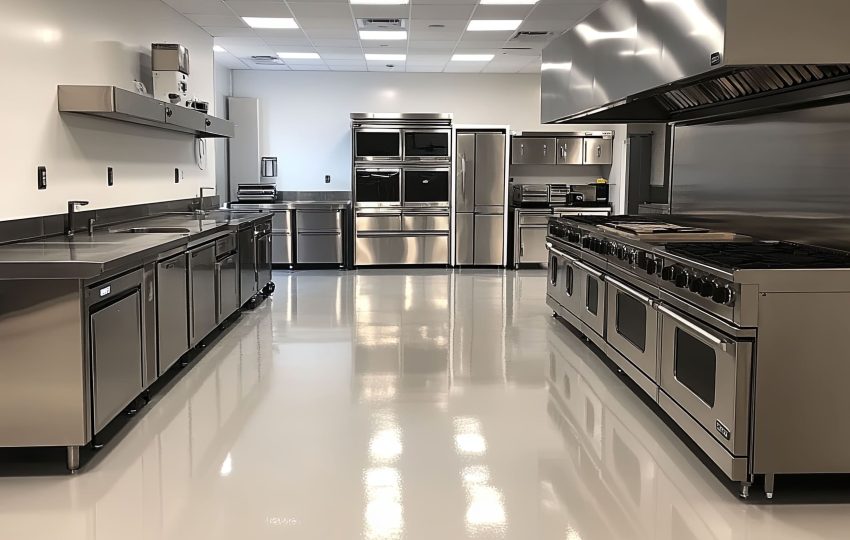
- Commercial kitchens and food preparation areas.
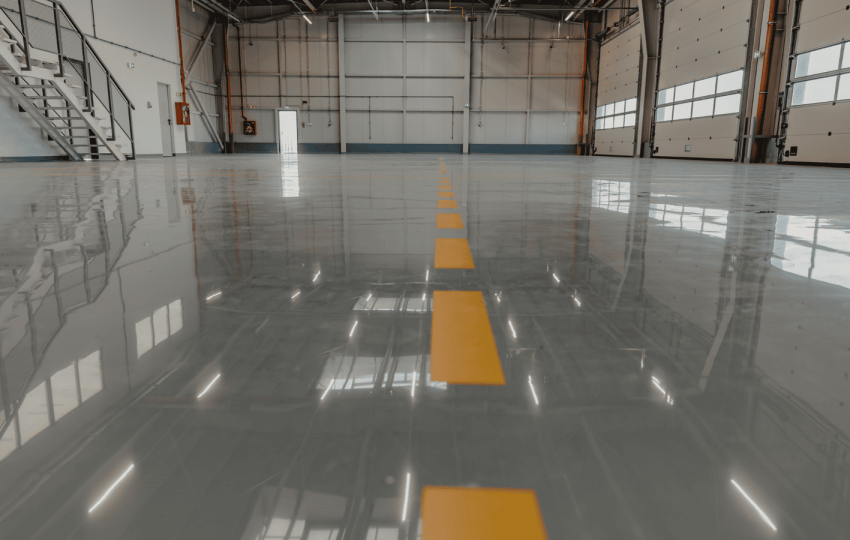
- Aircraft hangars and aerospace facilities.
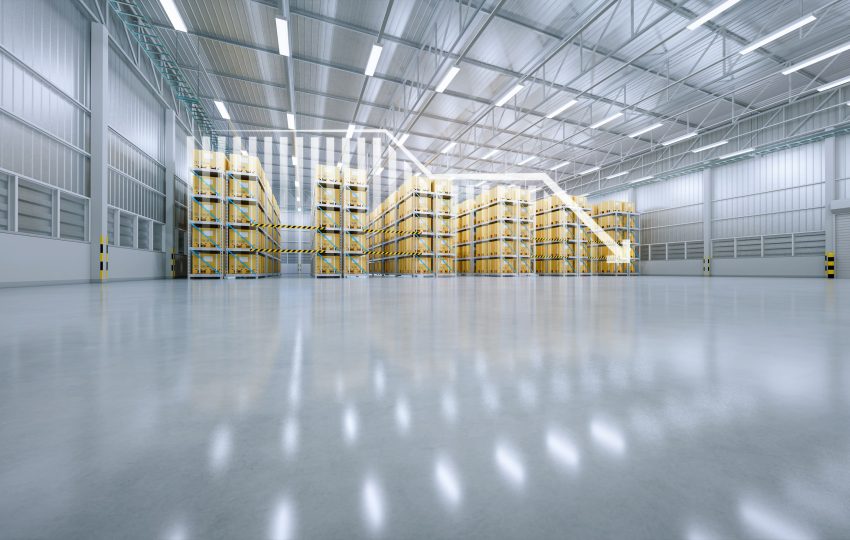
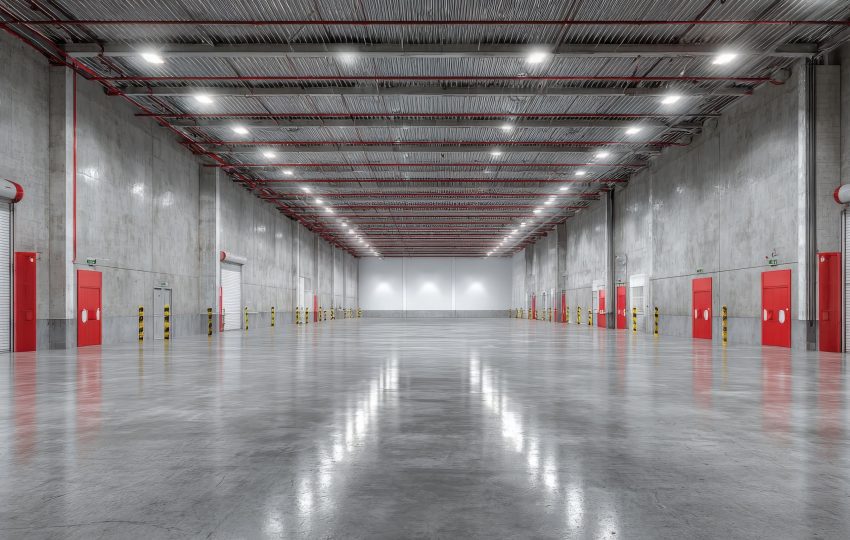
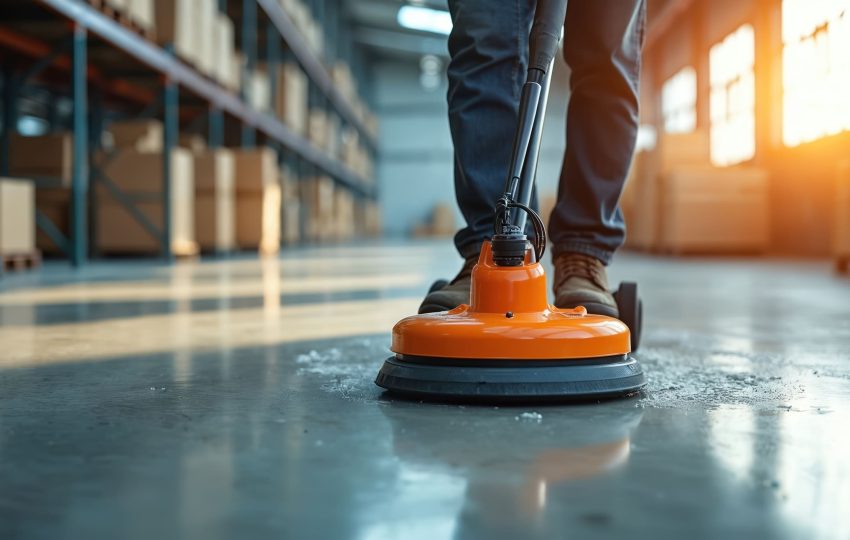
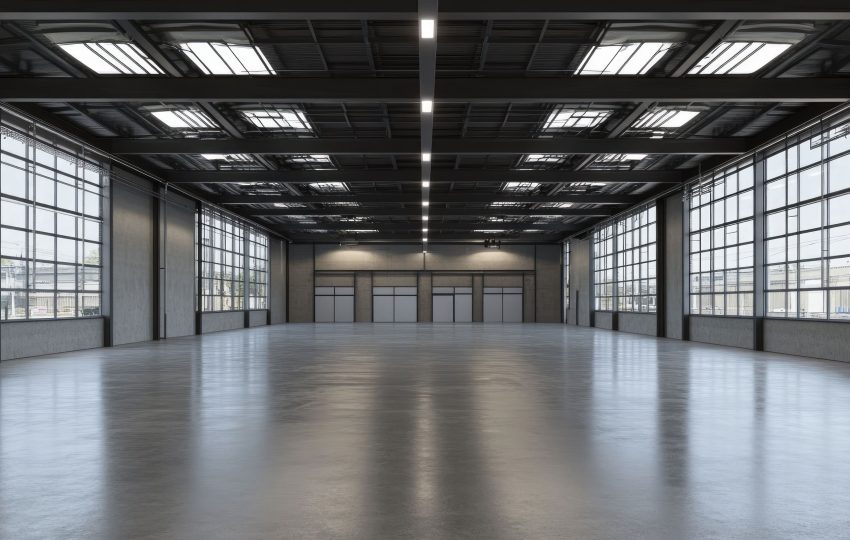
- Warehouses requiring “Super Flat” floors for high-reach forklifts.
Not Always Suitable For:
- Slabs with significant structural movement or active “heaving” cracks.
- Facilities requiring aggressive slopes-to-drains (the resin will level itself out).
- Outdoor applications exposed to direct UV (requires a specialized UV-stable topcoat).
System selection must be based on “Target Thickness” and “Substrate Condition”—not just gloss levels.
Why Standard Leveling Fails
Many self-leveling floors fail because the installer did not account for “outgassing” or substrate preparation. When air escapes the concrete through the liquid resin, it creates permanent craters known as pinholes.
Common causes of failure:
- Pinhole Outgassing: Failing to properly prime and seal the concrete, allowing air bubbles to ruin the finish.
- Improper Mixing: Inconsistent blending of the resin and hardener, leading to “soft spots” that never fully cure.
- Inadequate Thickness: Applying the material too thin, preventing it from reaching the necessary fluid mass to level itself.
- Environmental Interference: High humidity or drafts causing the surface to “skin over” before it has finished leveling.
The result:
- Uneven “orange peel” textures or visible roller marks.
- Weakened bond-line leading to delamination under traffic.
- Surface craters that trap bacteria and dirt.

Types of Self-Leveling Epoxy Systems
We specify the system build based on the level of floor correction required.
System Classifications:
Our Approach to Self-Leveling Engineering
At Procure Surface Solutions, we treat the “pour” as a high-precision technical event.
- Substrate Diagnostics: Measuring moisture and checking for “pitting” that requires pre-filling.
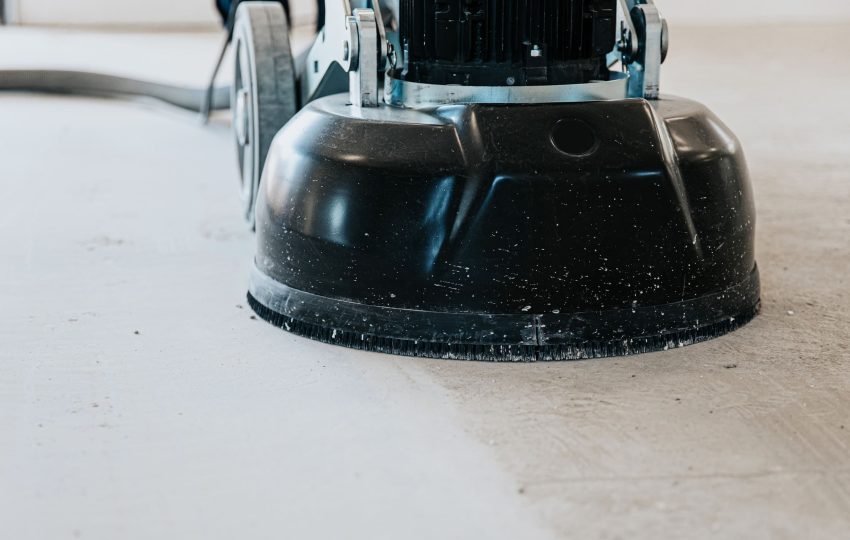
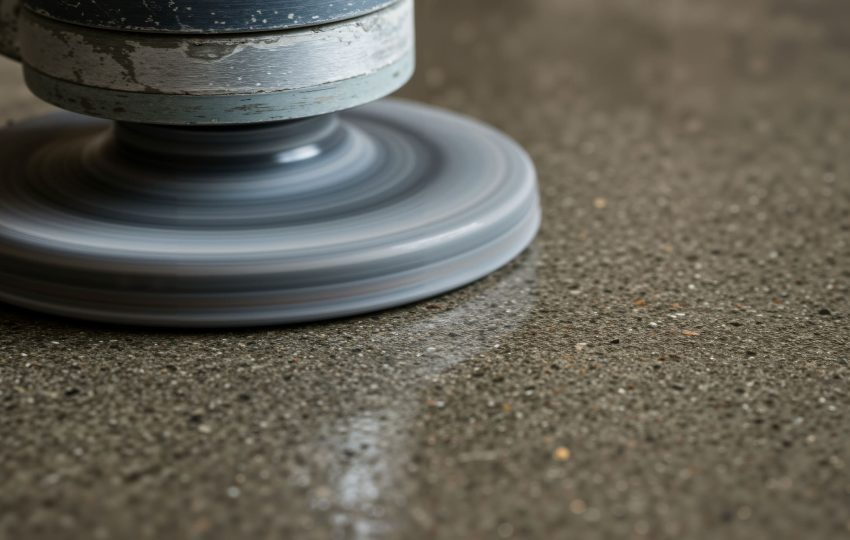
- Mechanical Profiling: Achieving a CSP 3-4 to ensure a deep mechanical bond.
- Primer/Barrier Coat: Applying a high-solids primer specifically designed to “choke” the concrete pores and prevent outgassing.
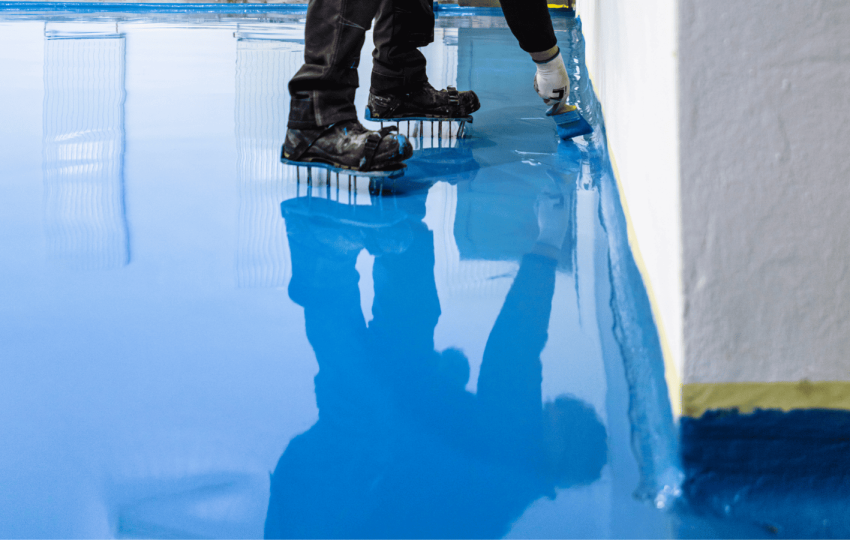
- Gauge-Rake Application: Precisely controlling the material depth to ensure the resin has the volume to flow and level.
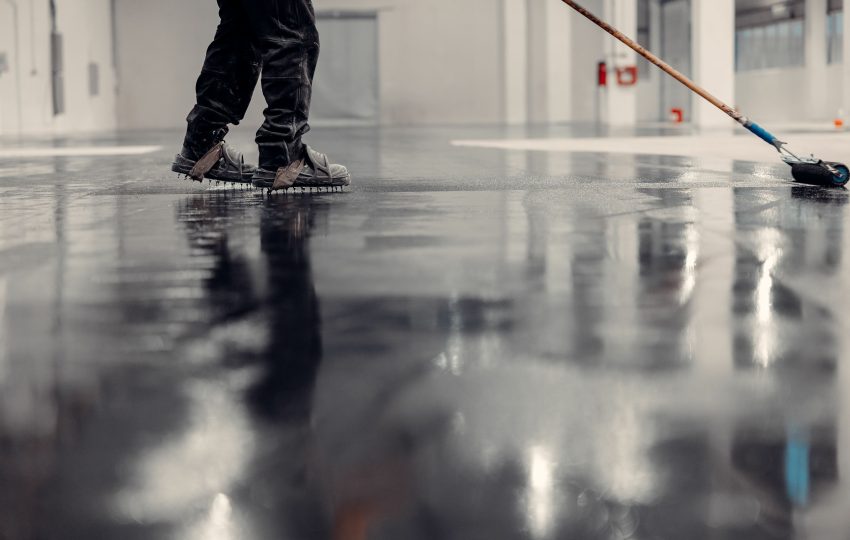
- Spike-Rolling: Utilizing specialized tools to release any trapped air and assist the leveling process.
- Cleanroom Finish: Ensuring a dust-free environment during the cure cycle to maintain a mirror-like finish.
Quality Assurance & Why Procure Surface Solutions
Self-leveling requires a master-level understanding of resin viscosity and timing. We treat every pour as a structural outcome.
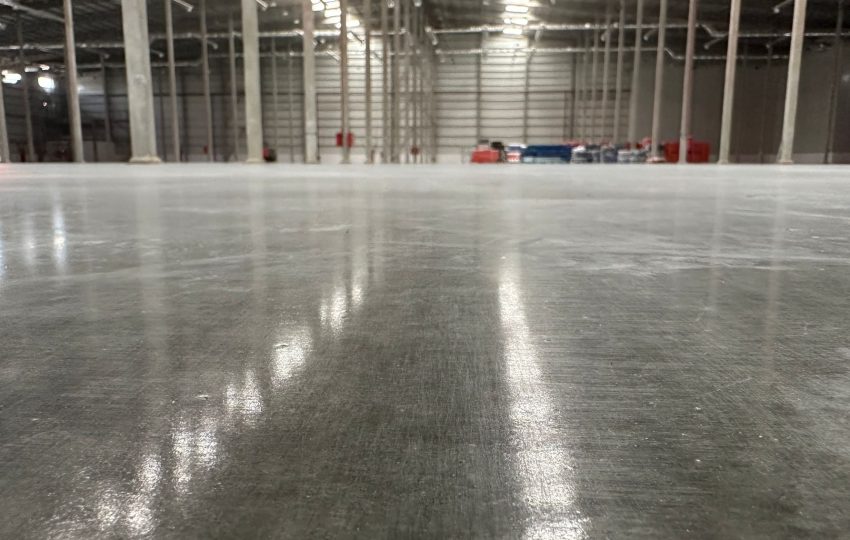
- Mirror-Smooth Finish: We eliminate the “waves” and imperfections common in standard epoxy applications.
- Extreme Durability: Our self-leveling systems are high-build (thicker than coatings), providing superior impact and wear resistance.
- Monolithic Hygiene: By creating a perfectly flat, seamless surface, we eliminate all areas where contaminants can hide.
- 45 Years of Combined Authority: We have mastered the art of “the pour” in the GTA’s most demanding industrial environments.
We do not install coatings—we engineer outcomes.
FAQs — Frequently Asked Questions in the GTA
These systems are typically installed between 1/16″ and 1/8″ (60 to 125 mils). This thickness is what allows the resin to act as a liquid and find its own level over the concrete.
No. Because it is “self-leveling,” the material will naturally flow to the lowest point. If your floor has a significant slope, the material will pool at the bottom. We use epoxy mortars to fix slopes before applying a leveler.
High-gloss self-leveling floors are smooth and can be slippery when wet. We can integrate clear, fine aggregates into the topcoat to provide slip resistance without sacrificing the smooth look of the floor.
OUR CONTACTS
REQUEST A Self-Leveling System Assessment
Tell us about your surface:
- Current condition of the concrete (Pits, cracks, or unevenness).
- Required thickness or “flatness” standard.
- Desired aesthetic (High-gloss, satin, or decorative).
Request Your Technical Consultation Today
Schedule a Consultation
+1 647-531-6777
Email us
info@procuresurfacesolutions.ca
Serving the Entire GTA
Toronto, Mississauga, Brampton, Vaughan, Markham, Scarborough, Richmond Hill, Pickering, Whitby, Ajax, Oshawa, Milton, Oakville, Burlington and surrounding areas.
Contact Us