
INDUSTRIAL TIPPING FLOOR ENGINEERING SYSTEMS
Engineered Floor Systems for Severe-Impact Waste, Transfer, and Industrial Processing Environments
Industrial tipping floors operate in some of the harshest service conditions found in commercial and industrial facilities. These environments are exposed to constant abrasive wear, steel bucket impact, heavy equipment traffic, corrosive leates, moisture intrusion, thermal fluctuation, and aggressive cleaning demands. Standard floor coatings and light-duty concrete repairs are not designed for these conditions.
At Procure Surface Solutions, our Industrial Tipping Floor Engineering Systems are designed for waste transfer stations, recycling facilities, organics processing plants, heavy industrial receiving zones, and other high-abuse environments where the floor system must function as a structural and protective surface — not just a finish.
These systems are engineered to resist impact, abrasion, chemical attack, water intrusion, and long-term substrate deterioration while supporting maintenance access, washdown procedures, and heavy operational loading.
Where Industrial Tipping Floor Systems Are Used
Our industrial tipping floor systems are commonly specified for:
- Waste transfer stations
- Recycling and material recovery facilities
- Organics and compost processing plants
- Solid waste receiving areas
- Heavy industrial loading and dumping zones
- Equipment washdown and contaminated processing areas
- Municipal environmental facilities
- High-abuse concrete floors exposed to constant mechanical wear
Why Tipping Floors Fail
Tipping floor environments place extreme stress on both the concrete substrate and the protective system above it. Premature failure often occurs because the floor was never engineered for actual service conditions.
Common causes of failure include:
- High-impact loading from loaders, buckets, and dropped material
- Severe abrasion from constant scraping, pushing, and dragging
- Chemical attack from waste leachate, organics, salts, oils, and industrial contaminants
- Water intrusion into damaged or porous concrete
- Freeze-thaw deterioration in exposed or semi-exposed conditions
- Surface delamination from poor substrate preparation
- Inadequate repair of deteriorated concrete prior to coating or topping installation
- Use of generic floor coatings in high-abuse environments
Our Engineering Approach
Every tipping floor project begins with a technical evaluation of the substrate, exposure conditions, and operational reality of the facility.
HOW WE WORK
PROCURE ENGINEERING METHODOLOGY
Substrate Diagnostics
Exposure Classification
Repair & Rebuild Strategy
System Specification
ICRI-Compliant Surface Preparation
Controlled Installation & Service Planning
System Performance Requirements
Depending on the facility, an industrial tipping floor system may need to provide:
High abrasion resistance
Resistance to moisture intrusion and chemical degradation
Long-term durability in continuously abused service areas
Impact resistance under loader and equipment traffic
Protection against aggressive waste-related contamination
Rebuild capability for damaged and eroded slabs
Slip resistance where required for operational safety
Strong adhesion to prepared concrete substrates


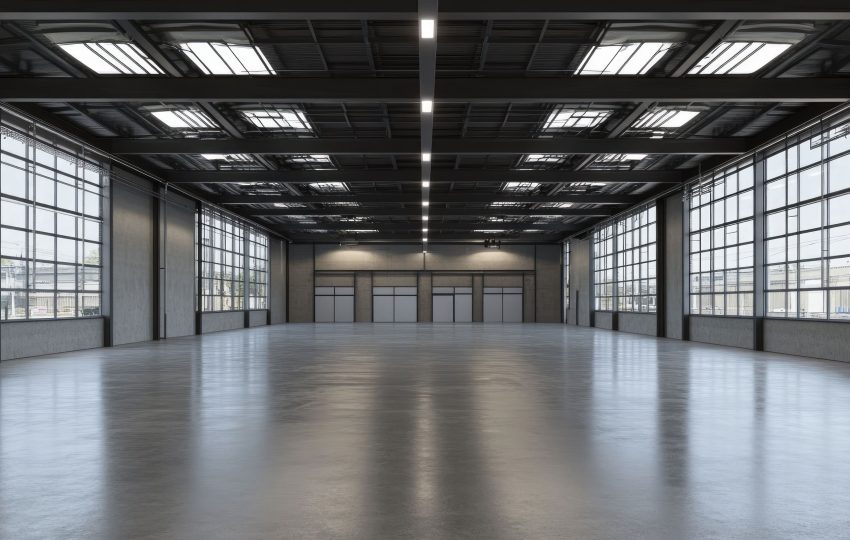
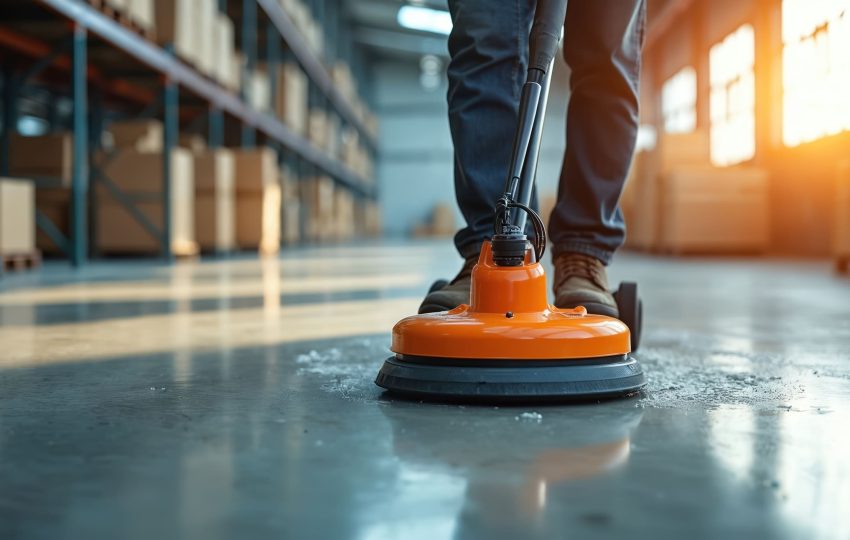
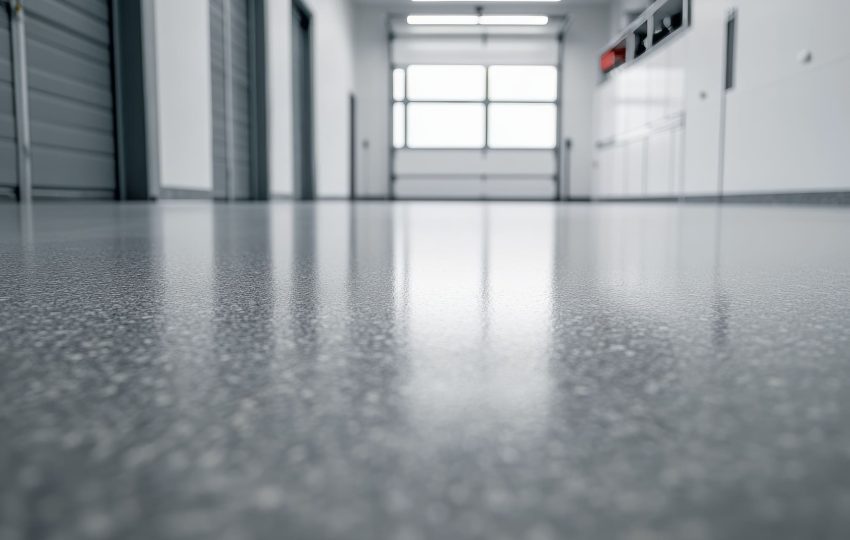
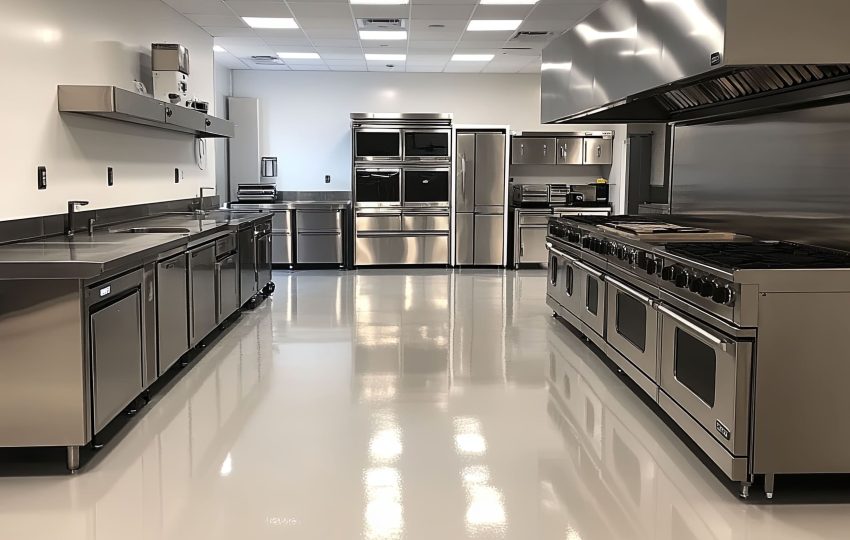
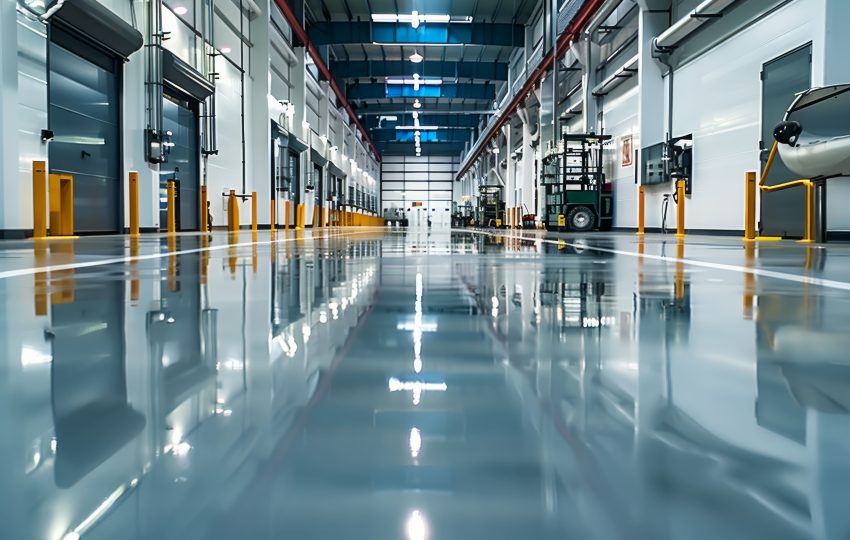
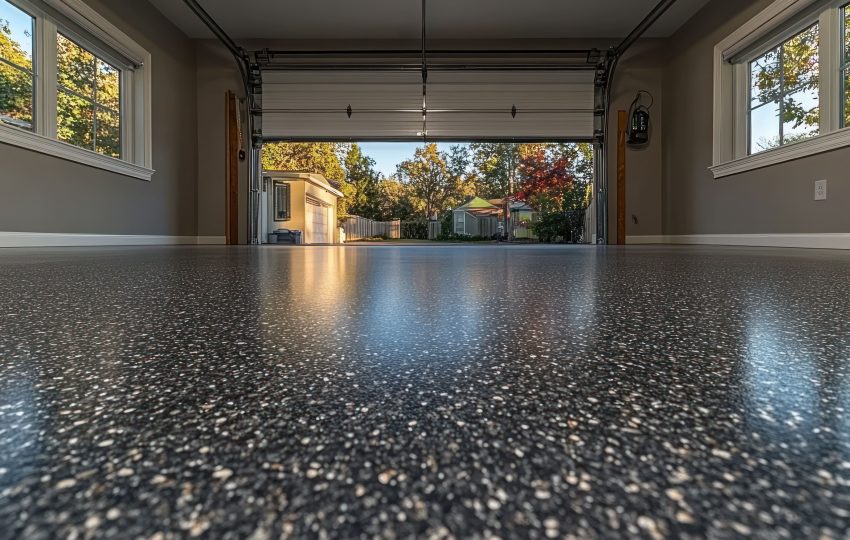
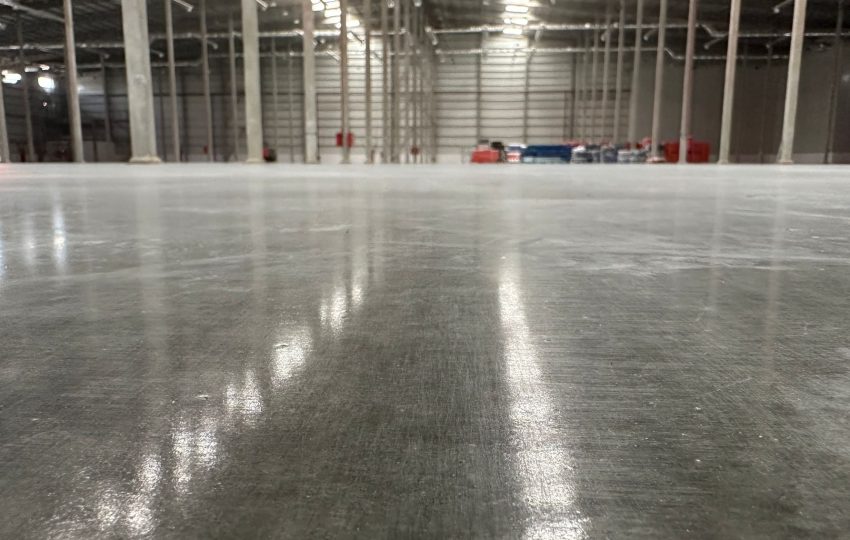
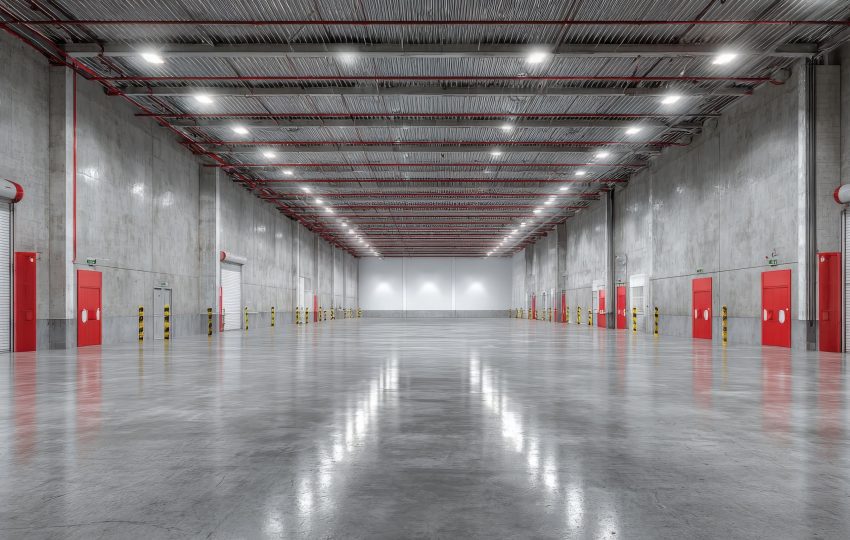
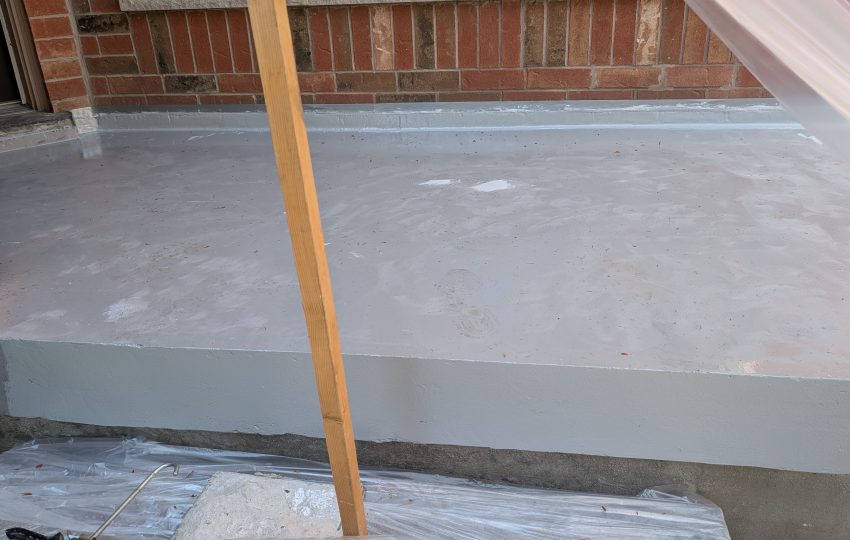
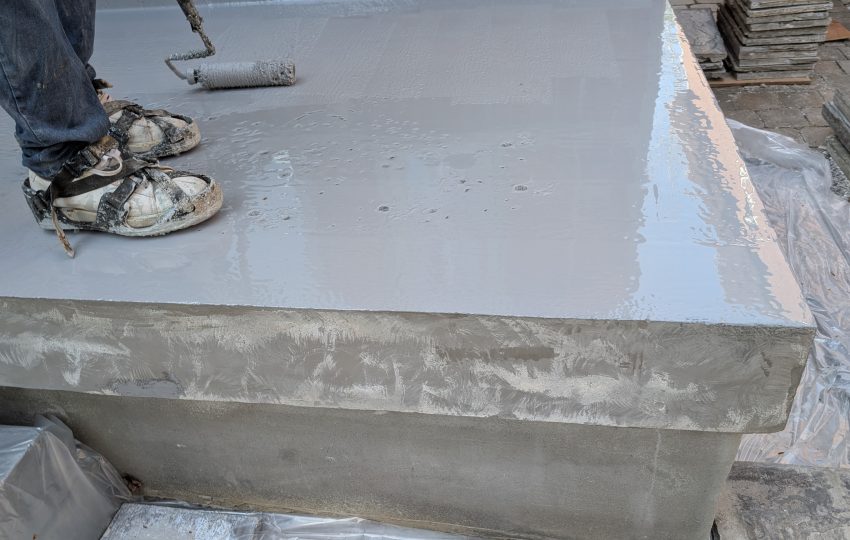
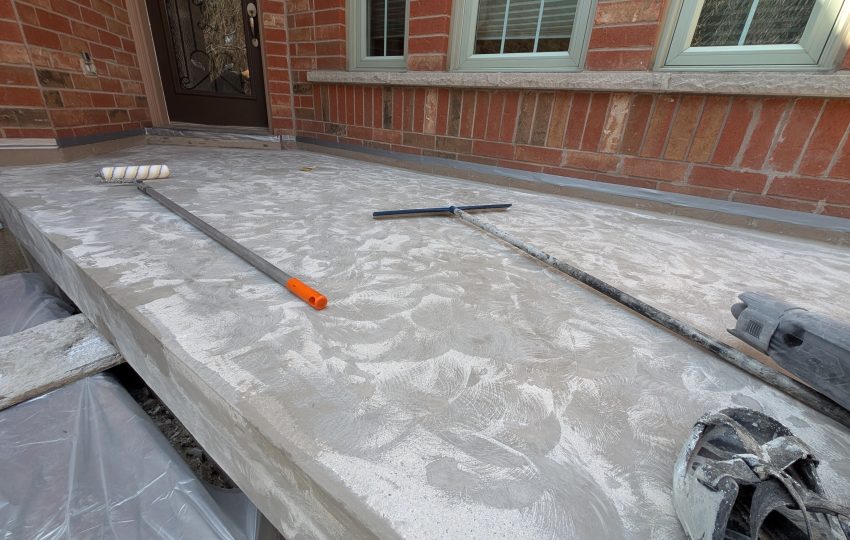
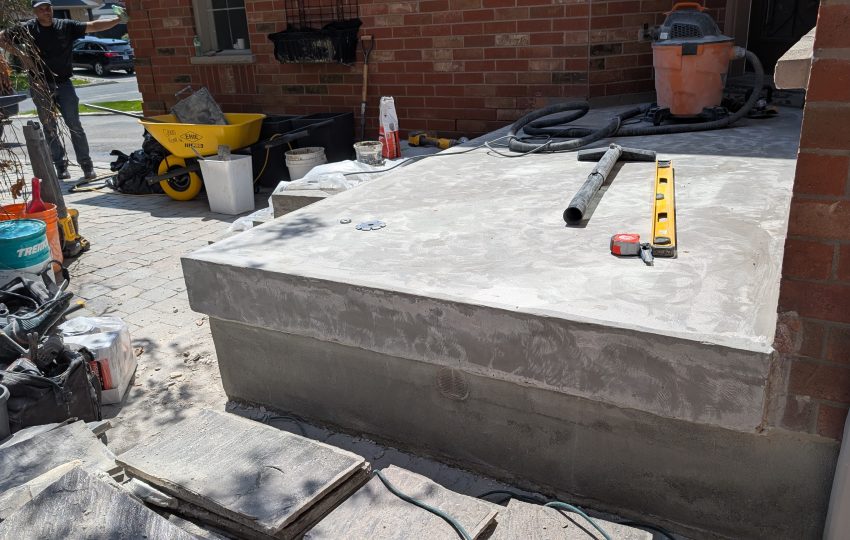
Industrial Applications of sun.
Independent by Design, we specify epoxy configurations based on performance alignment — not manufacturer limitation.
Serving commercial and industrial facilities across Whitby, Toronto, and the Greater Toronto Area.
Substrate diagnostics
Load classification
Lifecycle expectations
Environmental exposure
Moisture conditions
When This System Is Needed
Industrial tipping floor systems are typically required when:
- Concrete is wearing away under daily loader traffic
- The floor is absorbing contamination or moisture
- Existing repairs continue to fail
- Waste-related liquids are deteriorating the slab
- The surface is difficult to clean or maintain
- The facility needs a longer-lasting engineered solution instead of repeated patchwork repairs
- Structural slab protection is critical to long-term facility performance
Engineered for Demanding Industrial Environments
If your facility operates in a heavy-abuse tipping, transfer, or processing environment, the floor cannot be treated as a cosmetic surface. It must be engineered as part of the facility’s operational infrastructure.
Procure Surface Solutions delivers industrial tipping floor engineering systems designed for impact, abrasion, contamination, and long-term concrete protection in the toughest service environments.
If you want, I can now do the short homepage/service-page version so it matches the others exactly in the same layout.
Typical System Types
Depending on the application, tipping floor environments may require one or a combination of the following:
Heavy-Duty Resurfacing Systems
Designed to rebuild worn concrete surfaces and restore serviceability in high-abuse areas.
Impact-Resistant Mortar Systems
Used where severe mechanical abuse, bucket loading, and dropping impact demand a reinforced protective layer.
Chemical-Resistant Protective Systems
Specified in environments exposed to leachate, organics, aggressive cleaning agents, or industrial contaminants.
High-Build Resinous Protection Systems
Used to seal, protect, and reinforce concrete where moisture, abrasion, and contamination must be controlled.
Hybrid Rebuild and Protection Assemblies
For severely damaged tipping floors, a combined repair, rebuild, and protective surfacing approach is often required.
Why Procure Surface Solutions
Tipping floors are not standard floor coating projects. They are high-abuse industrial infrastructure surfaces that must be engineered around real operational stress.
At Procure Surface Solutions, we approach these environments with a substrate-first, exposure-driven methodology focused on durability, rebuildability, and long-term performance.
We install proven third-party systems, but we also develop and specify our own priority system designs where project conditions demand a more controlled, technically aligned solution. This allows us to match the system to the environment instead of forcing the environment to accept a generic product.
Our approach is built around:
OUR CONTACTS
Request an Epoxy Flooring Assessment
Schedule a Consultation
+1 647-531-6777
Email us
info@procuresurfacesolutions.ca
Serving the Entire GTA
Toronto, Mississauga, Brampton, Vaughan, Markham, Scarborough, Richmond Hill, Pickering, Whitby, Oakville, and surrounding areas.
Contact Us