
Moisture Mitigation & Vapor Control Systems Toronto
Engineered Substrate Stabilization and Osmotic Pressure Protection
High moisture vapor transmission (MVT) is the leading cause of resinous flooring failure. At Procure Surface Solutions, we treat moisture not as a surface issue, but as a structural challenge. We engineer moisture mitigation systems that suppress high levels of vapor pressure, preventing delamination, osmotic blistering, and pH-related bond failure across the Greater Toronto Area and surrounding industrial markets.
We do not guess on moisture levels; we perform mandatory calcium chloride or in-situ RH probe testing before any system is specified.
Where Moisture Mitigation Works — And Where It Doesn't
Moisture mitigation systems are designed to create a permanent breathable or impermeable barrier between the concrete slab and the finished floor.
Ideal Applications:
- New concrete slabs (less than 28 days old) where fast-track scheduling is required.
- Older slabs missing a functional sub-slab vapor barrier.
- Facilities with a history of bubbling or peeling floor coatings.
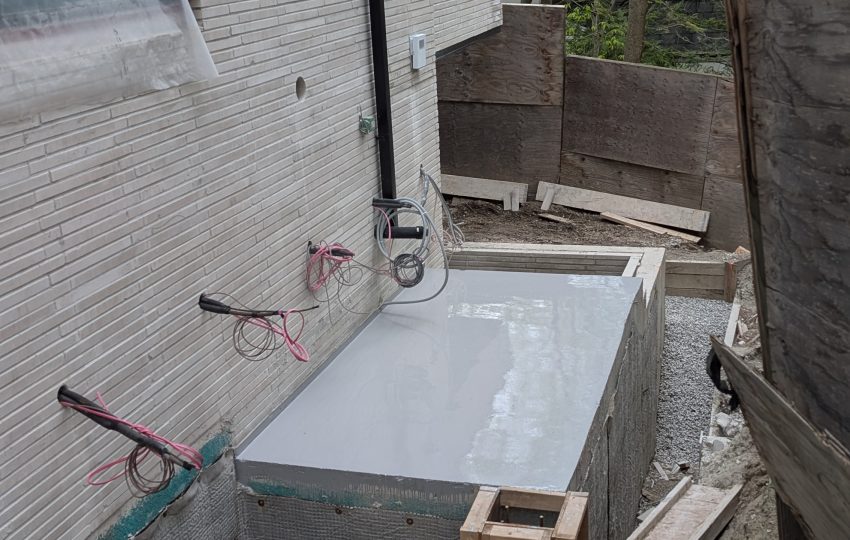
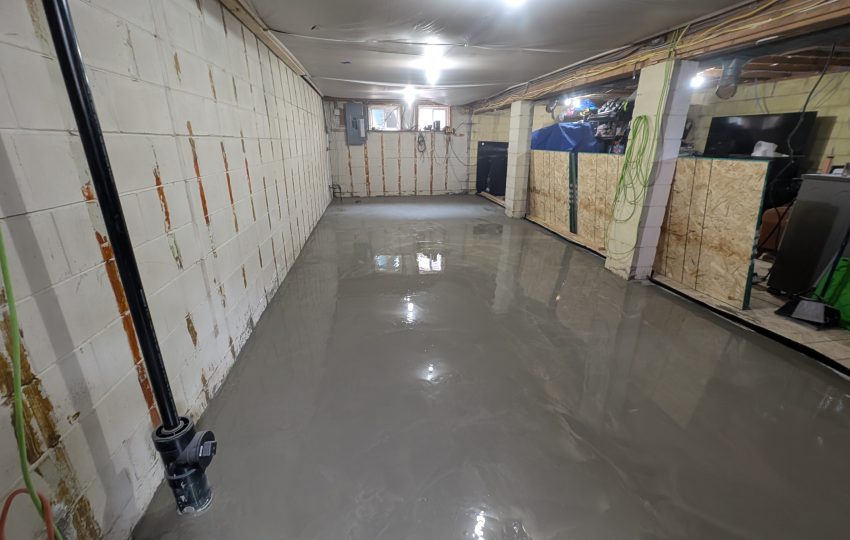
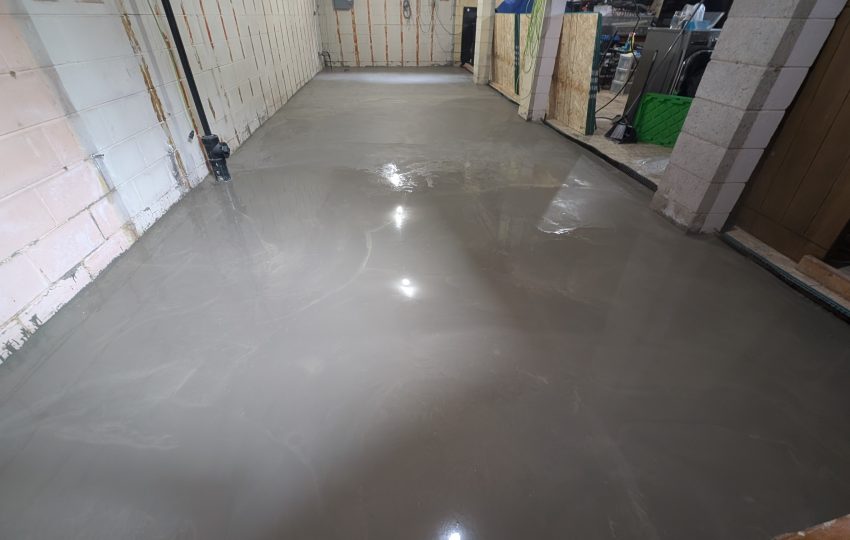
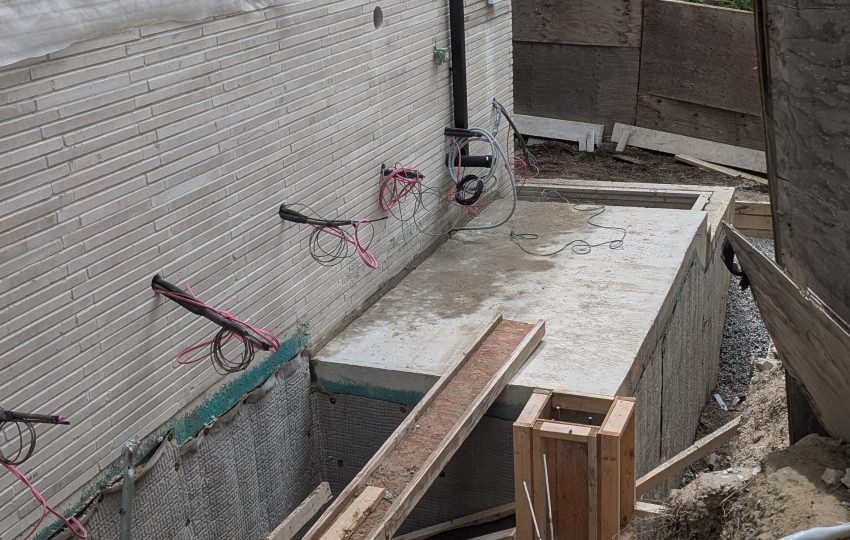
- Basements, slabs-on-grade, and areas with high water tables.
- Environments receiving moisture-sensitive finishes like wood, vinyl, or high-solids epoxy.
Not Always Suitable For:
- Slabs with active hydrostatic pressure (water physically flowing through cracks).
- Concrete that is structurally unsound or crumbling (requires remediation first).
- Situations where a “topical sealer” is used in place of an engineered resinous barrier.
System selection must be based on RH (Relative Humidity) readings—not visual inspection.
Request a Technical Consultation to schedule professional moisture testing for your facility.
Standard Floors Fail in High-Moisture Zones
When moisture vapor rises through concrete, it carries high-alkaline salts to the surface. This creates a high pH environment that chemically breaks the bond of standard epoxy.
Common causes of failure:
- Osmotic Blistering: Vapor pressure trapping liquid behind the coating, creating unsightly and dangerous bubbles.
- Saponification: The chemical breakdown of adhesives or resins due to high alkalinity.
- Adhesion Loss: The floor “floating” off the concrete as moisture destroys the mechanical bond.
- Fast-Track Scheduling: Installing floors on “green” concrete before the slab has reached acceptable moisture levels.
The result:
- Total system delamination and peeling.
- Mold and mildew growth beneath the floor surface.
- Continuous maintenance costs and operational downtime for repairs.

Types of Moisture Control Systems
The right system is determined by the specific moisture vapor emission rate (MVER) and the age of the concrete.
System Classifications:
Unsure which mitigation strategy fits your slab? Contact our engineering team for a substrate diagnostic.
Our Approach to Moisture Engineering
At Procure Surface Solutions, we do not ignore the data. We engineer a stabilized substrate.
- Substrate Diagnostics: Performing ASTM F2170 (RH Probes) or ASTM F1869 (Calcium Chloride) testing.
- pH Analysis: Measuring the alkalinity of the concrete surface to ensure chemical compatibility.
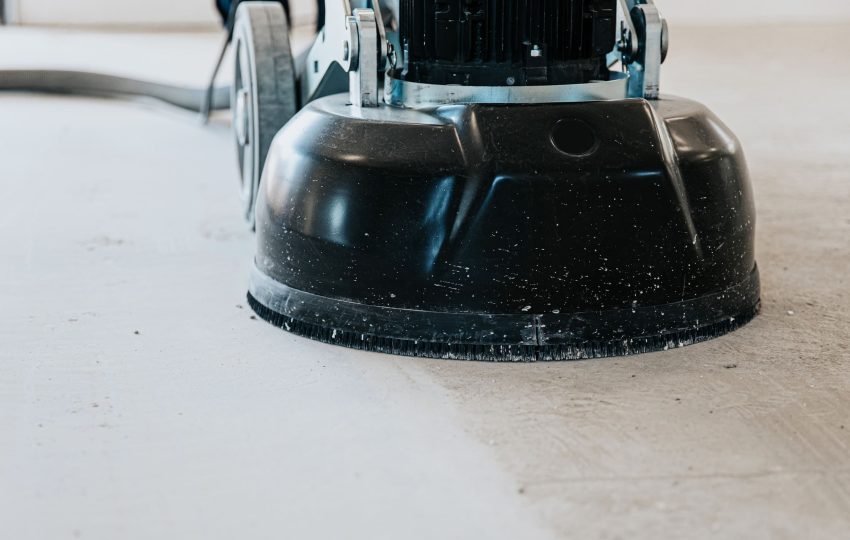
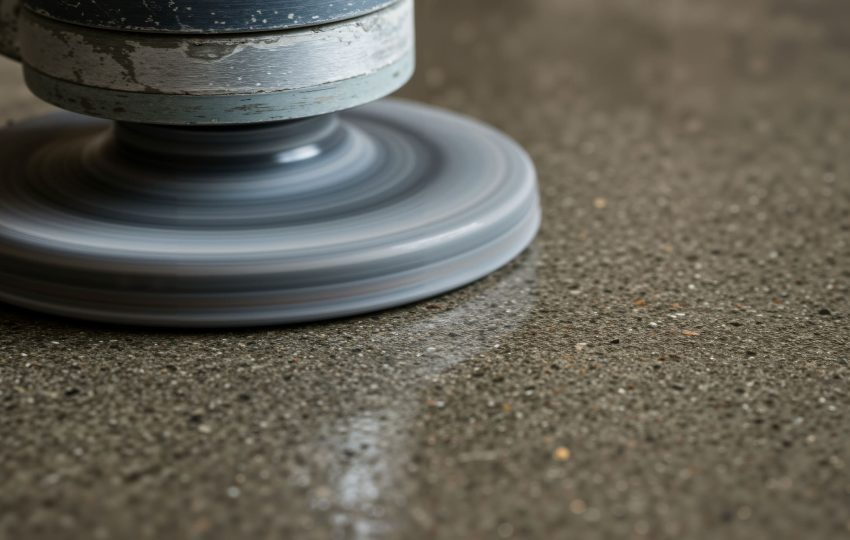
- Mechanical Profiling: Achieving a CSP 3-5 to ensure the mitigation resin can penetrate deep into the capillaries.
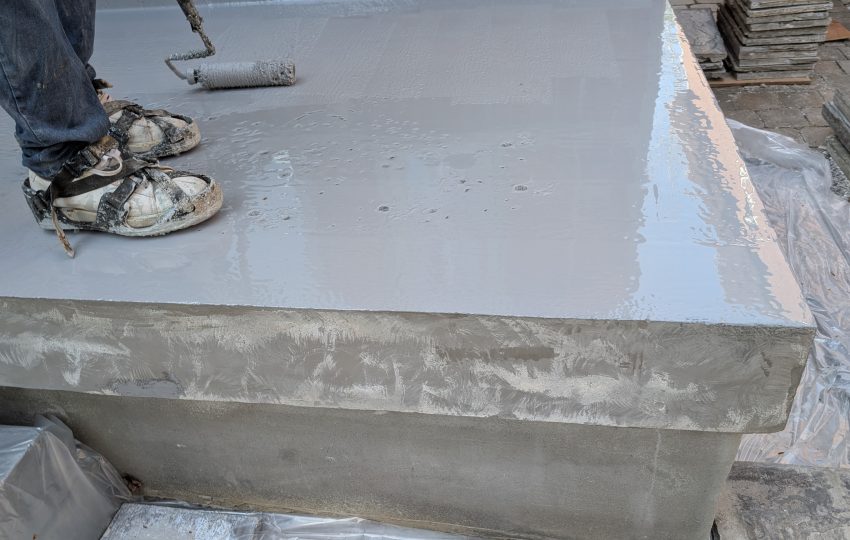
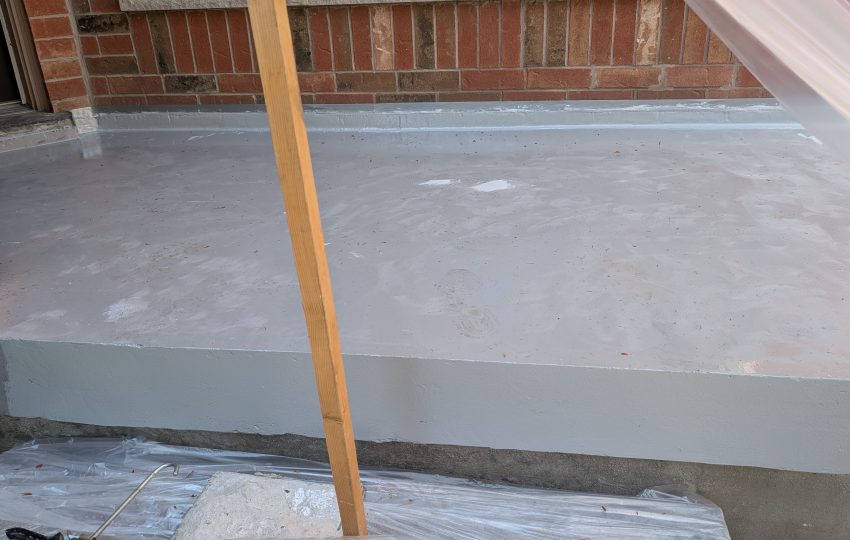
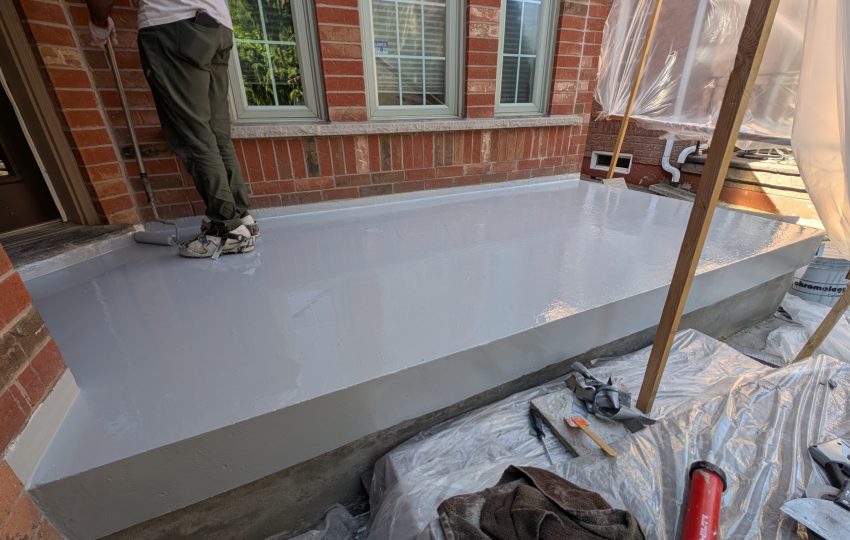
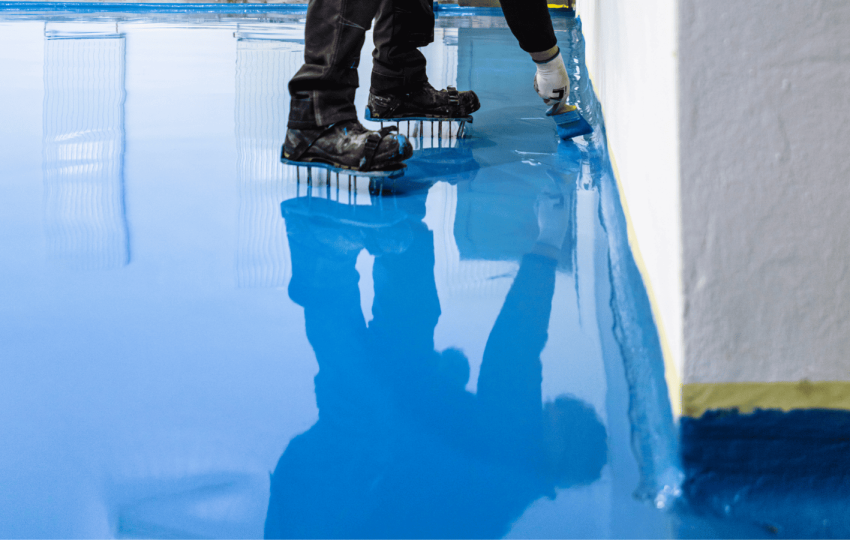
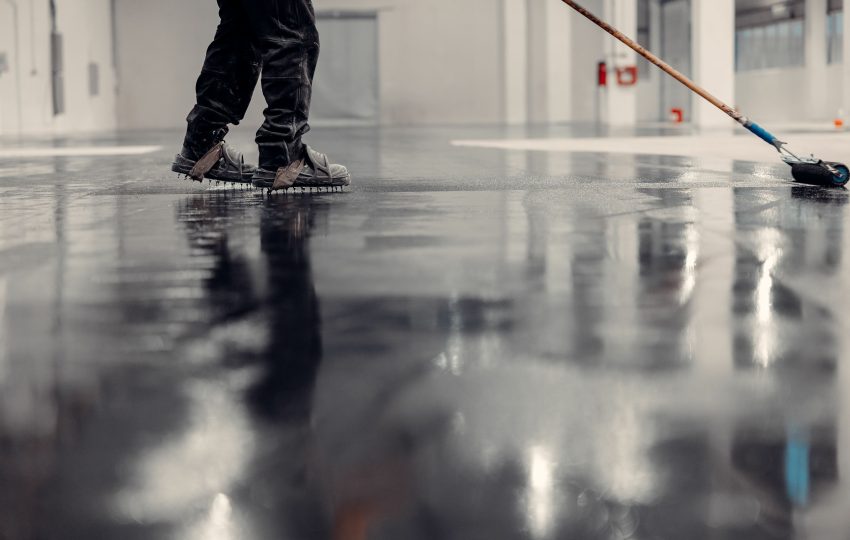
- Membrane Application: Installing a high-performance moisture-wicking or barrier resin to neutralize vapor drive.
Quality Assurance & Why Procure Surface Solutions
Most moisture failures occur because the installer didn’t test the slab. We treat moisture as a mandatory engineering checkpoint.
- We utilize systems that can handle up to 100% Relative Humidity.
- We prioritize ASTM testing standards over visual “dampness” checks.
- We specify alkali-resistant chemistry to prevent bond-line saponification.
- We deliver outcomes that allow you to install floors on your timeline, not the concrete’s timeline.
We do not install coatings—we engineer outcomes.



FAQs — Frequently Asked Questions in the GTA
Yes. With an engineered moisture mitigation system, we can often install high-performance flooring as early as 7 to 10 days after the concrete is poured, rather than waiting the standard 28-day cure cycle.
A sealer is a thin topical layer that often fails under pressure. An engineered mitigation system is a high-density resin that penetrates and chemically bonds to the concrete to withstand significant vapor drive.
Common signs include white powdery dust at joints (efflorescence), dark damp spots, or small bubbles (blisters) in your current floor. However, the only way to be certain is through professional RH probe testing.
OUR CONTACTS
REQUEST A Moisture Mitigation Assessment
Tell us about your slab:
- Age of the concrete
- Current signs of failure (blistering, peeling)
- Type of finish system desired
Request Your Technical Consultation Today
Schedule a Consultation
+1 647-531-6777
Email us
info@procuresurfacesolutions.ca
Serving the Entire GTA
Toronto, Mississauga, Brampton, Vaughan, Markham, Scarborough, Richmond Hill, Pickering, Whitby, Ajax, Oshawa, Milton, Oakville, Burlington and surrounding areas.
Contact Us