
Rapid-Cure Flooring Systems Toronto
Fast-Track Engineering for High-Performance Environments with Minimal Downtime
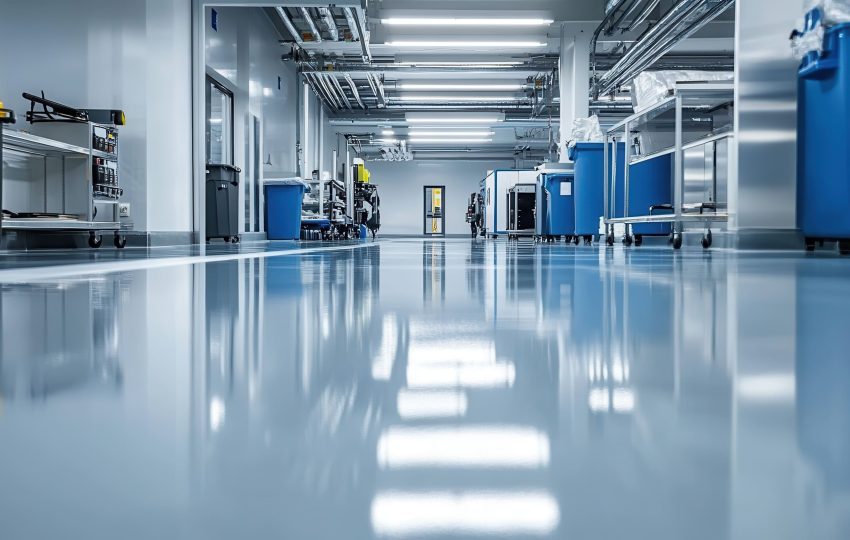
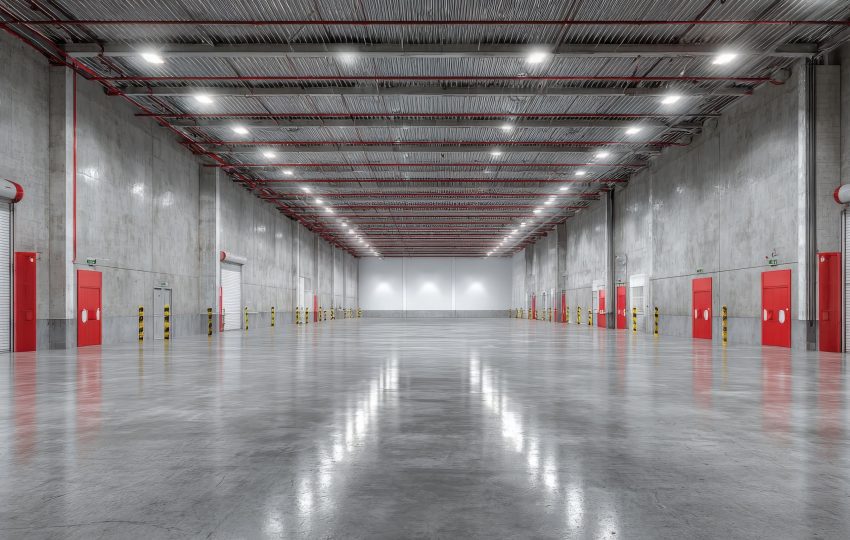
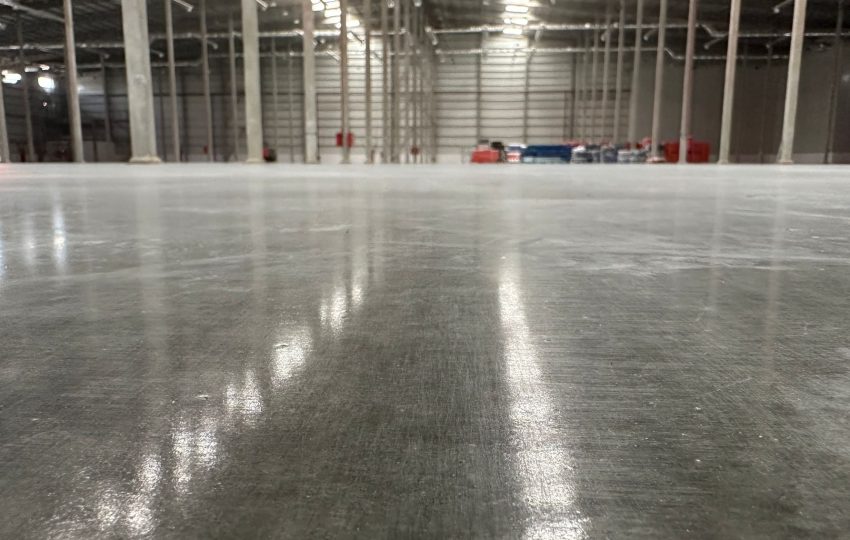
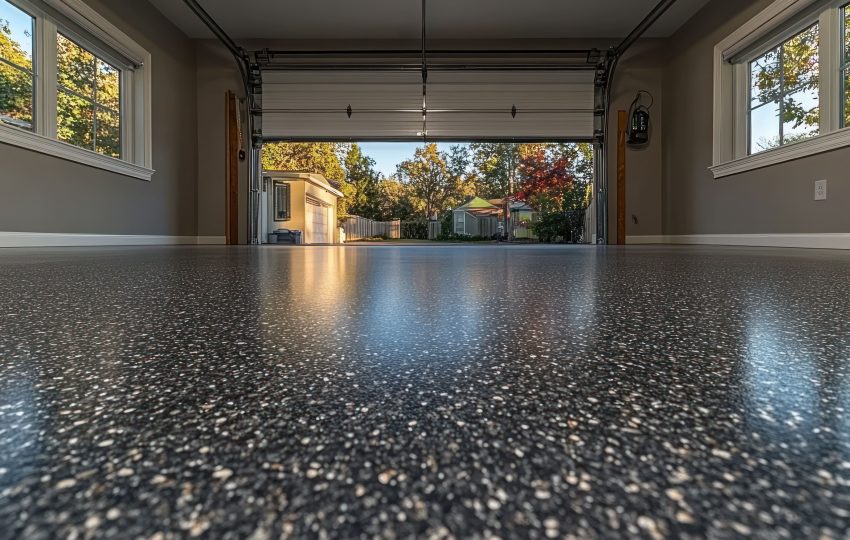
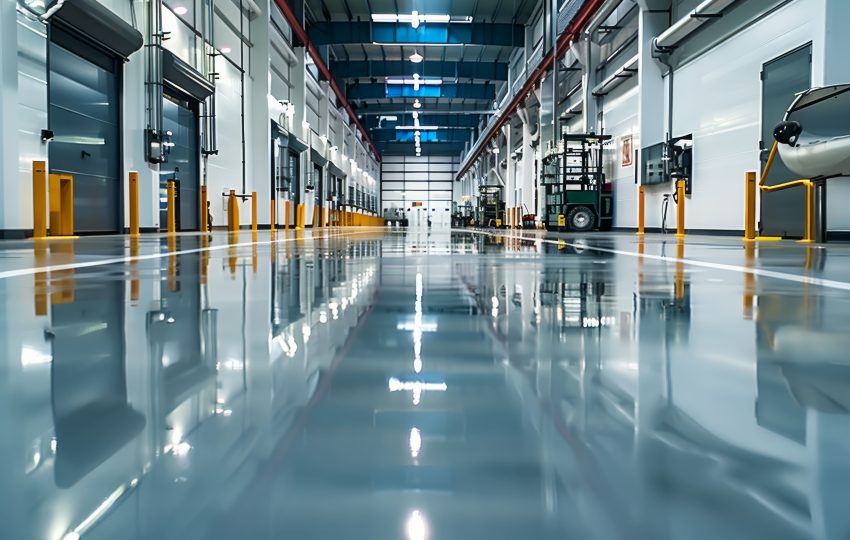
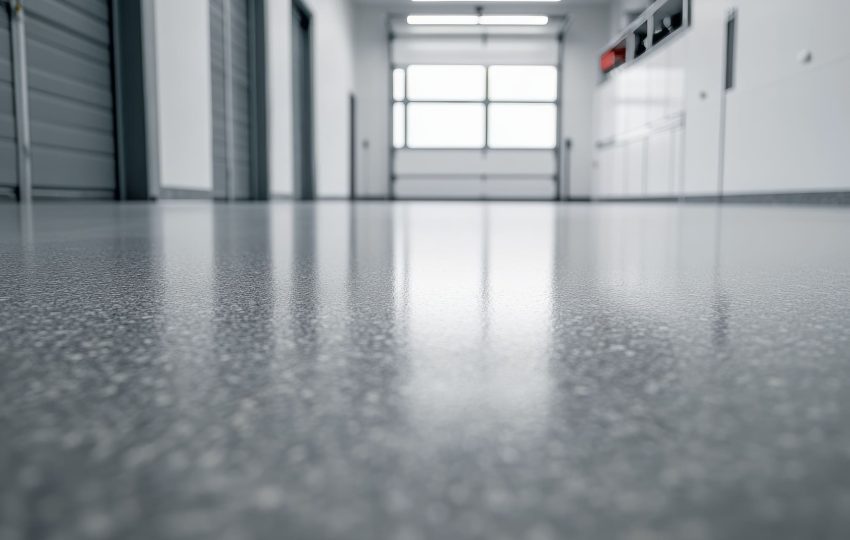
In the industrial sector, time is often the most expensive variable. Rapid-cure systems are engineered for facilities that require a high-performance, UV-stable surface with a return-to-service time measured in hours, not days. At Procure Surface Solutions, we specify these systems for projects where operational continuity is critical across the Greater Toronto Area and surrounding industrial markets.
We do not sacrifice durability for speed; we utilize advanced rapid-cure technology to deliver superior scratch resistance and color stability in a fraction of the time required by traditional coatings.
Where Rapid-Cure Systems Works — And Where It Doesn't
Rapid-cure flooring is a high-performance solution, but its accelerated cure rate requires precision engineering and expert installation to ensure long-term adhesion.
Ideal Applications:
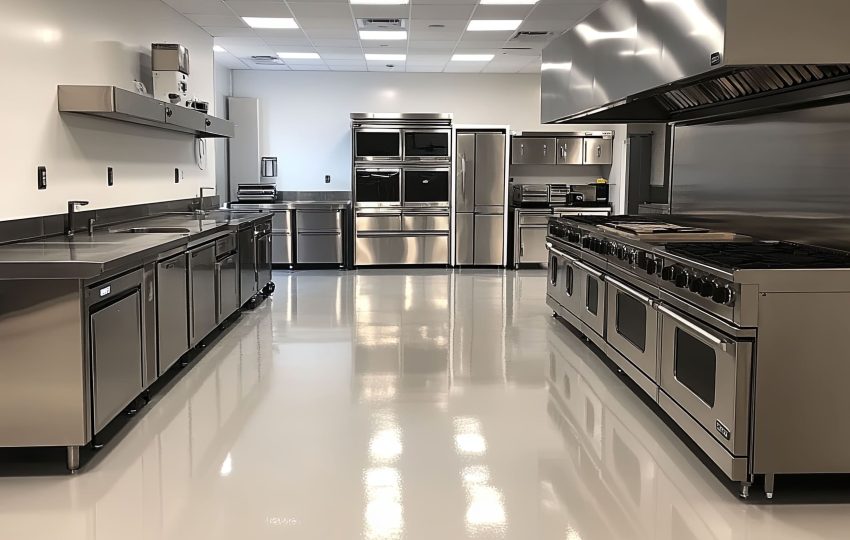
- Facilities requiring 24-hour return-to-service (cold storage, retail, logistics).
- Areas exposed to high UV light (hangar doors, storefronts, outdoor ramps).
- High-traffic commercial zones where scratch resistance is a priority.
- Cold-temperature installations where standard resins fail to cure.
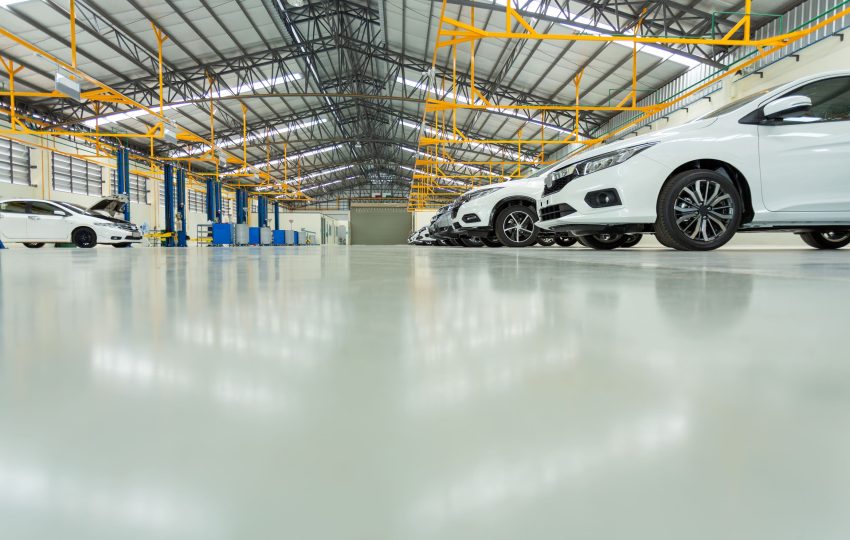
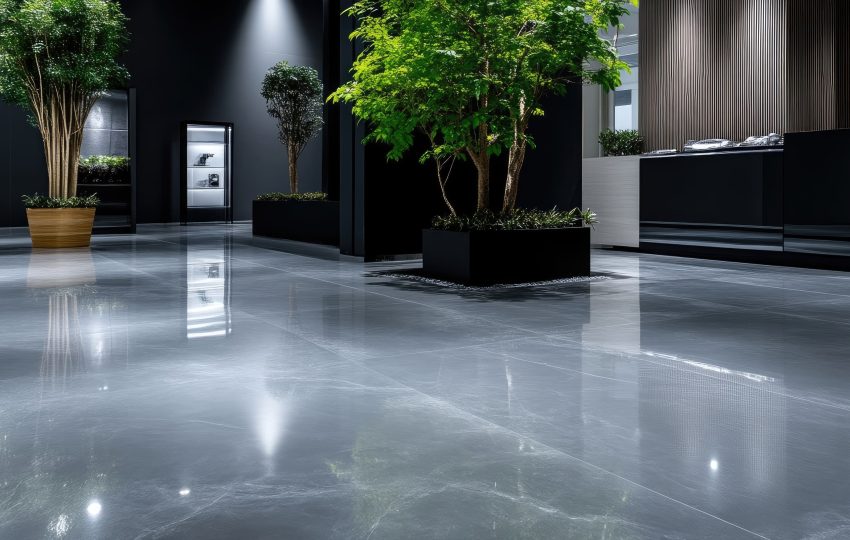
- Showrooms and automotive facilities requiring a high-gloss, engineered finish.
Not Always Suitable For:
- Extremely high-temperature washdown zones (requires Urethane Cement).
- Areas with high moisture vapor transmission (requires a moisture mitigation primer first).
- Slabs with deep structural damage (these systems are designed as high-performance wear layers, not deep-fillers).
System selection must be based on the “Downtime Window”—not just the finish.
Request a Technical Consultation to determine if a rapid-cure system fits your operational timeline.
Standard Coatings Fail in Fast-Track Projects
The primary reason for failure in rapid-cure projects is “outrunning” the chemistry. If the environment isn’t properly controlled, the system cannot bond correctly before it sets.
Common causes of failure:
- Improper Surface Prep: Assuming the speed of cure allows for shortcuts in mechanical profiling.
- Flash Drying: Installing in high humidity or heat without adjusting the application technique.
- Inter-coat Adhesion Issues: Waiting too long between layers, causing the fast-acting resin to “close” before the next layer can bond.
- Solvent Entrapment: Applying too thick, which can trap air or gasses beneath the fast-curing surface.
The result:
- Peeling or sheet delamination.
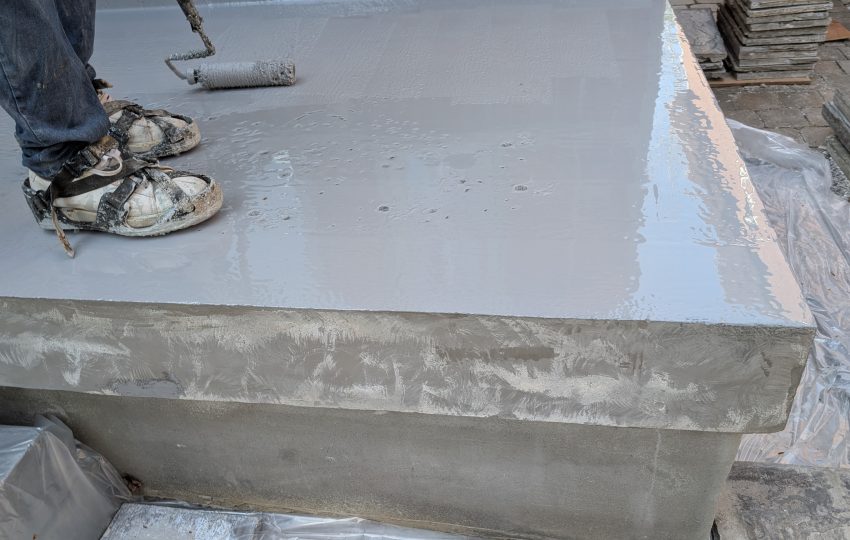
- Visible roller marks or uneven gloss levels.
- Poor chemical resistance due to an incomplete molecular cross-link.

Types of Rapid-Cure Systems
We specify the system solids content based on the ventilation and thickness requirements of your facility.
System Classifications:
Unsure which rapid-cure technology is best for your environment? Contact our engineering team for a site assessment.
Our Approach to Rapid-Cure Engineering
At Procure Surface Solutions, we coordinate every hour of the installation to ensure the chemistry and the clock stay in sync.
- Environmental Audit: Measuring temperature and humidity to select the correct speed of the resin.
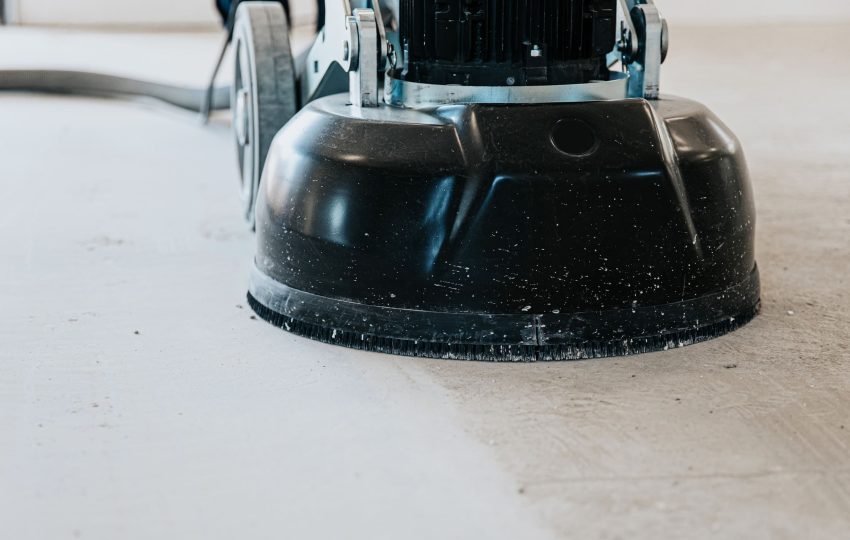
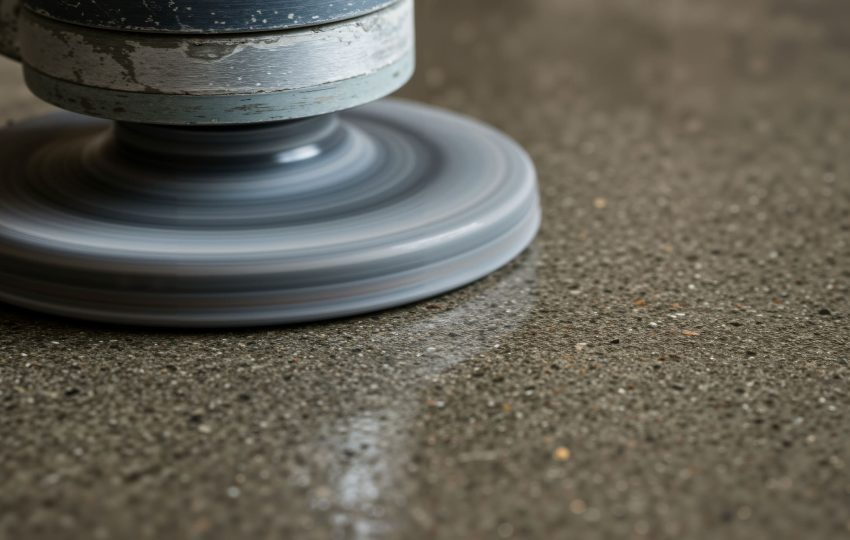
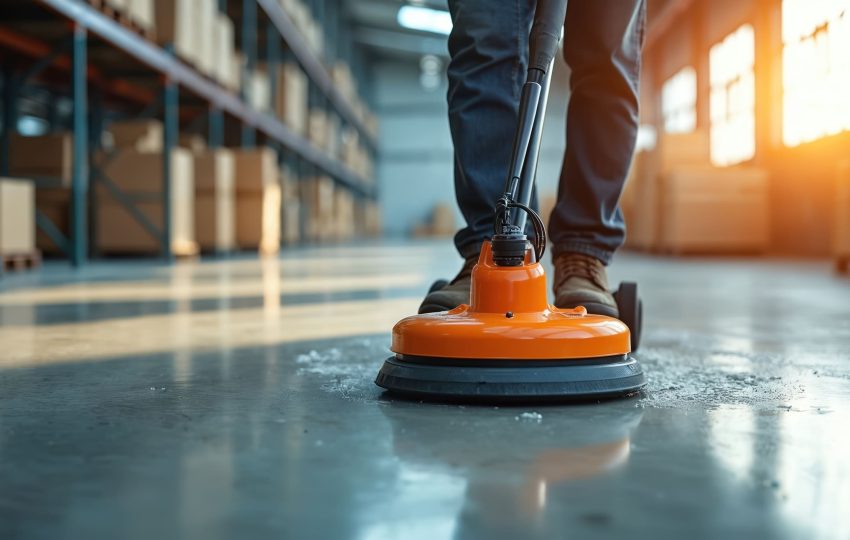
- Mechanical Profiling: Achieving a CSP 2-3 to ensure a permanent mechanical lock during the fast-cure window.
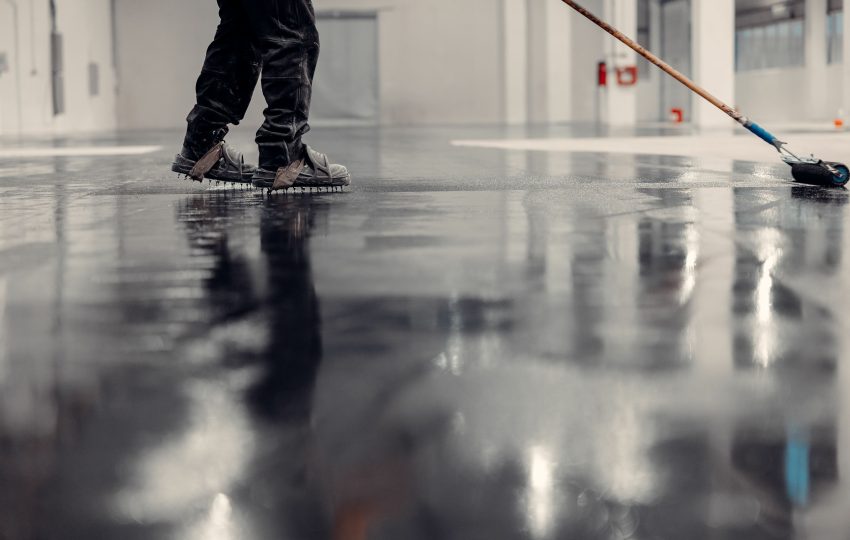
- Synchronized Application: Utilizing multi-person teams to apply the resin within the critical working window.
- Rapid QA: Performing hardness tests within hours to verify the floor is ready for foot or forklift traffic.
Quality Assurance & Why Procure Surface Solutions
Most contractors struggle with rapid-cure systems because they set too fast. We treat the speed as an engineering advantage.
- UV Stable: Our systems are engineered to resist ambering or yellowing, even in direct sunlight.
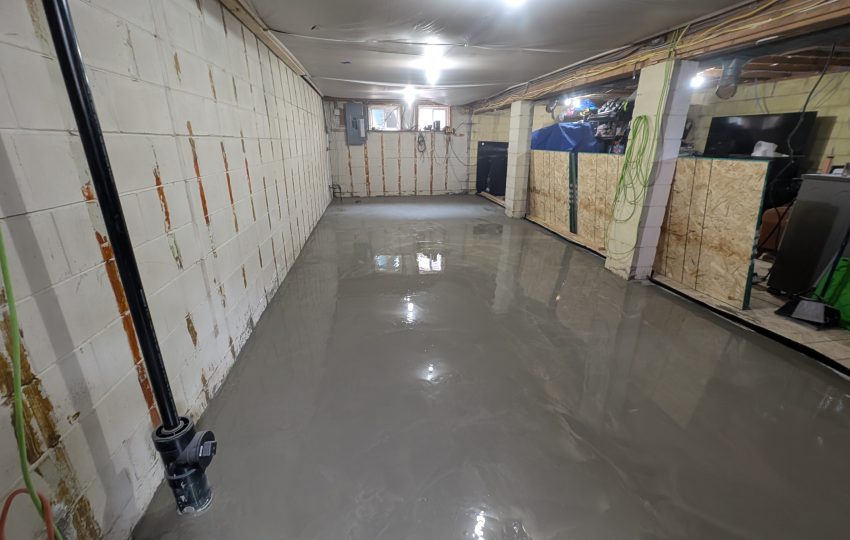
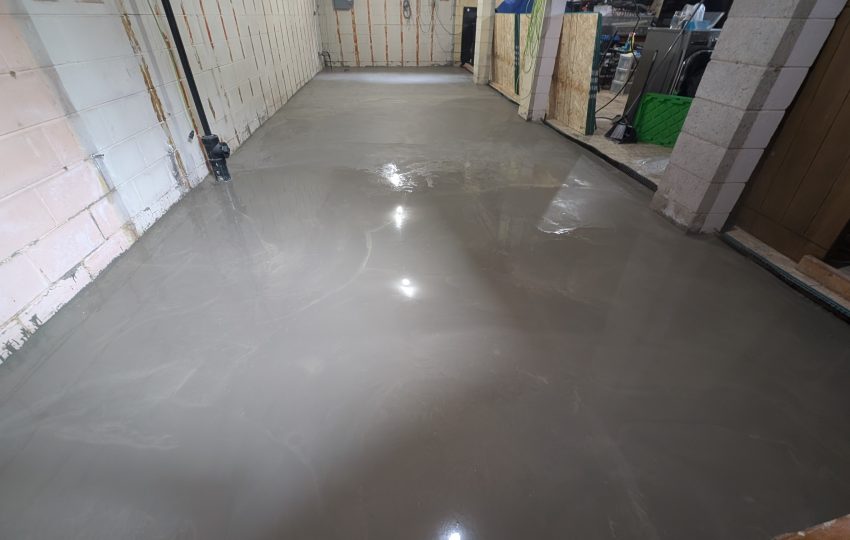
- Return-to-Service: We can deliver a full system that handles forklift traffic in as little as 4 to 6 hours.
- Impact Resistant: Superior flexibility compared to standard epoxy, providing better protection against chipping.
- Climate Controlled: We adjust our application methods on-site to match the GTA’s seasonal humidity shifts.
We do not install coatings—we engineer outcomes.
FAQs — Frequently Asked Questions in the GTA
It depends on your goal. Rapid-cure systems are generally more scratch-resistant, UV-stable, and cure much faster. However, standard epoxy is often preferred for heavy structural repairs or as a base for moisture-mitigation systems.
We utilize high-solids, low-VOC (volatile organic compound) resins that have very little odor. In many cases, we can install these in one part of a facility while the rest of the building remains occupied and operational.
Depending on the specific system selected, pedestrian traffic is often allowed in 2 hours, and heavy vehicular or forklift traffic in as little as 6 to 24 hours.
OUR CONTACTS
REQUEST A Rapid-Cure Assessment
Tell us about your timeline:
- How much downtime is available?
- Is the area exposed to sunlight?
- What is the typical temperature of the environment?
Request Your Technical Consultation Today
Schedule a Consultation
+1 647-531-6777
Email us
info@procuresurfacesolutions.ca
Serving the Entire GTA
Toronto, Mississauga, Brampton, Vaughan, Markham, Scarborough, Richmond Hill, Pickering, Whitby, Ajax, Oshawa, Milton, Oakville, Burlington and surrounding areas.
Contact Us