
Corrosion Resistant Flooring Systems Toronto
Engineered Surface Protection for Oxidizing and Highly Corrosive Environments
Corrosion is the gradual destruction of industrial substrates by chemical or electrochemical reaction. In environments where salts, strong oxidizers, and corrosive vapors are present, a standard coating is not a defense—it is a temporary delay. At Procure Surface Solutions, we engineer corrosion-resistant systems designed to neutralize the destructive effects of corrosive agents, protecting the structural integrity of your facility across the Greater Toronto Area and surrounding industrial markets.
We do not provide generic barriers; we specify high-density polymer systems that are chemically inert to the specific corrosive profile of your operation.
Where Corrosion Resistant Flooring Works — And Where It Doesn't
Corrosion-resistant systems are required for facilities handling reactive materials, but the system must be engineered to handle both the chemical load and the mechanical stress.
Ideal Applications:
- Plating and pickling lines (Metal finishing).
- Battery manufacturing and recycling facilities.
- Pulp and paper processing.
- Fertilizer and salt storage facilities.
- Mining and mineral processing operations.
- Chemical storage and loading docks.
Not Always Suitable For:
- Environments with extreme thermal shock (requires Urethane Cement).
- Light-duty commercial spaces where standard epoxy provides sufficient protection.
- Slabs with active hydrostatic pressure (requires moisture mitigation first).
System selection must be based on the specific oxidation risk—not just visual thickness.
Request a Technical Consultation to determine the corrosion-resistance requirements for your facility.
Substrates Fail in Corrosive Environments
When corrosive agents penetrate a coating, they reach the concrete and the steel reinforcement (rebar) beneath it. Once the rebar begins to oxidize, it expands, causing the concrete to heave, crack, and fail from the inside out.
Common causes of failure:
- Vapor Permeation: Corrosive fumes passing through porous coatings and attacking the substrate.
- Pinholing: Microscopic gaps in the coating that allow “wicking” of acids or salts.
- Oxidation of Reinforcement: Failure to seal joints and cracks, allowing corrosive liquids to reach the steel rebar.
- Brittleness: Using systems that crack under mechanical load, creating pathways for corrosion.
The result:
- Spalling and crumbling concrete.
- Structural weakening of the slab and support pillars.
- Severe environmental contamination and regulatory fines.

Types of Corrosion Resistant Systems
The right system is determined by the specific corrosive agent and the required level of mechanical durability.
System Classifications:
Unsure which system handles your specific corrosive environment? Contact our engineering team for a technical specification.
Our Approach to Corrosion Engineering
At Procure Surface Solutions, we don’t just “coat” a floor; we engineer a long-term protective barrier.
- Environmental Audit: Identifying all corrosive agents (liquids, vapors, and salts).
- Substrate Assessment: Testing existing concrete for depth of contamination and structural soundness.
- Decontamination: Neutralizing existing salts and corrosive residues before application.
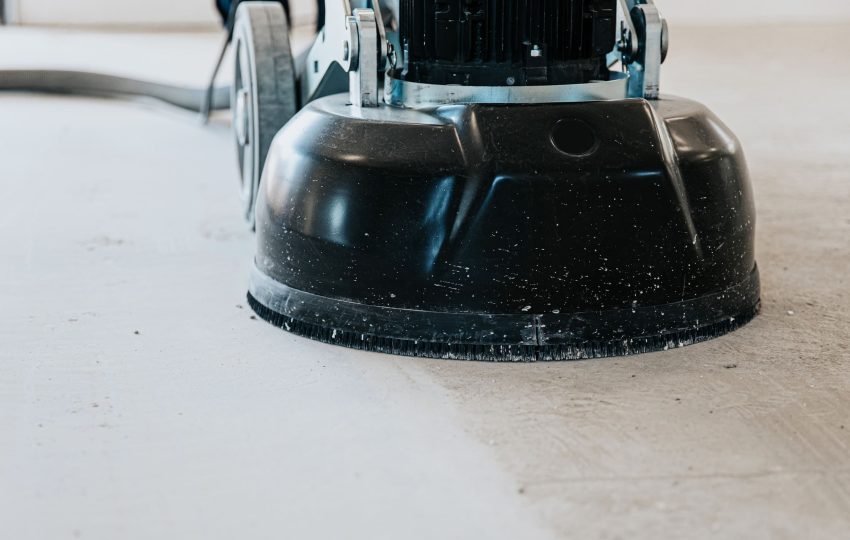
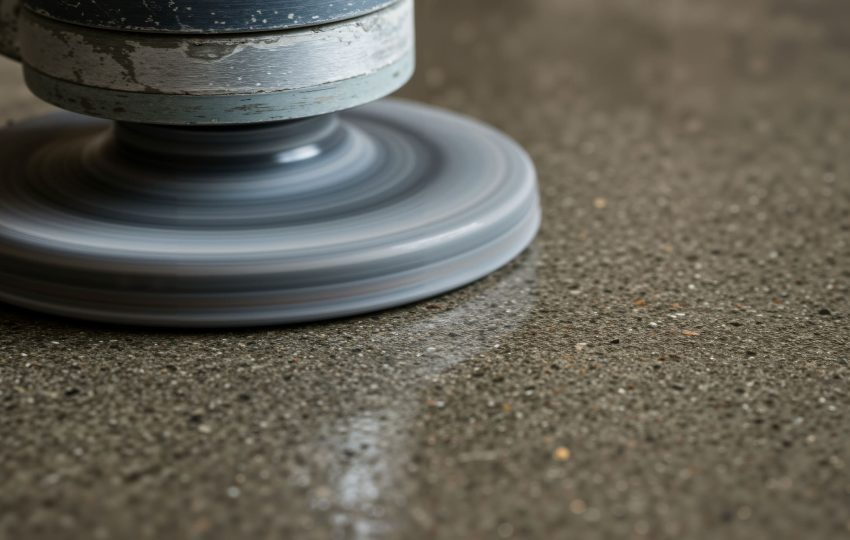
- Mechanical Profiling: Achieving a deep CSP to ensure a permanent mechanical anchor for high-build systems.
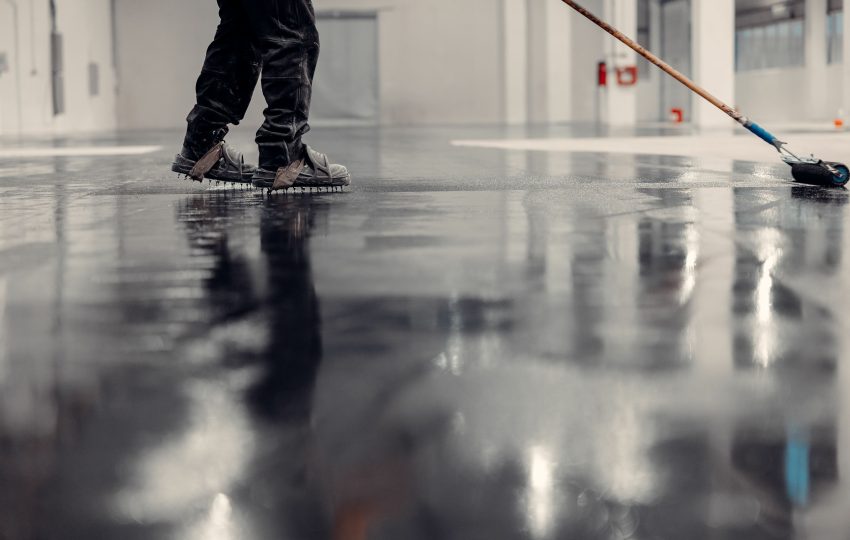
- Precision Application: Ensuring a monolithic, pinhole-free finish across all horizontal and vertical surfaces.
- Detailing: Chemically sealing all drains, curbs, and equipment pads.
Quality Assurance & Why Procure Surface Solutions
Most corrosion failures occur because the substrate was not properly neutralized or the coating was too porous. We treat corrosion resistance as a structural priority.
- We utilize Novolac and Vinyl Ester technologies for maximum chemical density.
- We prioritize Substrate Decontamination to prevent bond-line failure.
- We specify Reinforced Systems for areas with high mechanical stress and corrosive load.
- We deliver outcomes that extend the lifecycle of your facility’s most critical infrastructure.
We do not install coatings—we engineer outcomes.
FAQs — Frequently Asked Questions in the GTA
Chemical resistance refers to the floor’s ability to withstand a specific spill. Corrosion resistance is broader; it refers to the system’s ability to prevent the long-term degradation of the concrete and steel reinforcement caused by chemicals, salts, and vapors.
Yes, but the concrete must be remediated first. We remove the “soft” or “rotten” concrete, neutralize the remaining slab, and then use structural polymers to rebuild the floor before applying the corrosion-resistant system.
Fiberglass reinforcement (FRP) adds immense strength and allows the floor to bridge small cracks in the concrete. In highly corrosive zones, this ensures that if the concrete moves, the protective liner stays intact, preventing a leak.
OUR CONTACTS
REQUEST A Corrosion Resistance Assessment
Tell us about your environment:
- Primary corrosive agents and concentrations.
- Current condition of the concrete.
- Exposure type (Liquid spills vs. Corrosive vapors).
Request Your Technical Consultation Today
Schedule a Consultation
+1 647-531-6777
Email us
info@procuresurfacesolutions.ca
Serving the Entire GTA
Toronto, Mississauga, Brampton, Vaughan, Markham, Scarborough, Richmond Hill, Pickering, Whitby, Ajax, Oshawa, Milton, Oakville, Burlington and surrounding areas.
Contact Us