
Antimicrobial Flooring Systems Toronto
High-Performance Hygienic Engineering for Sterile and Controlled Environments
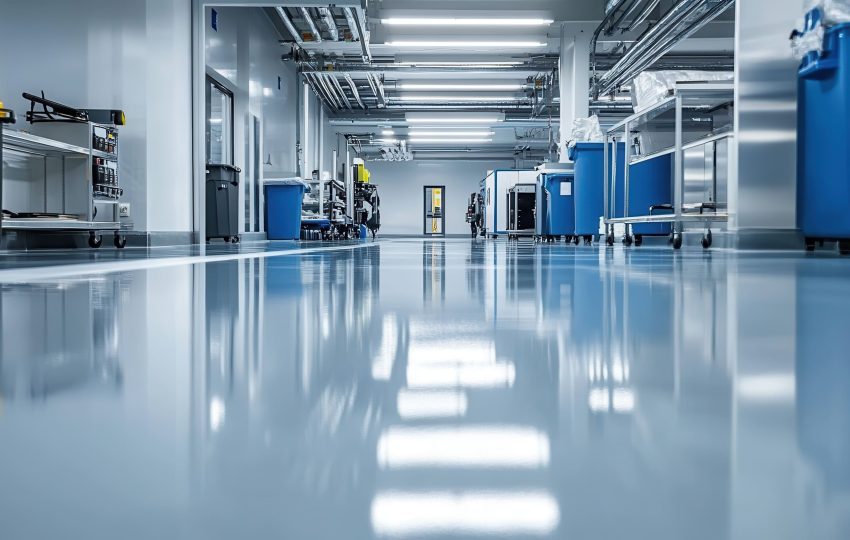
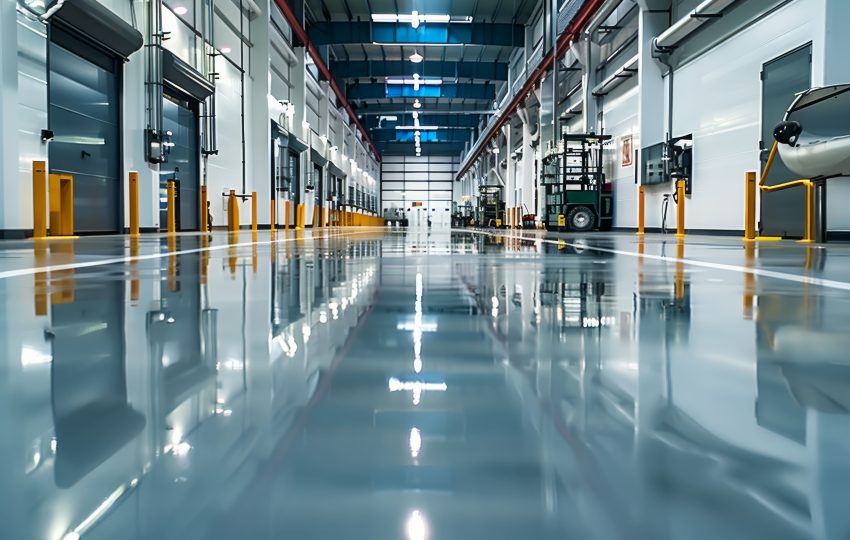
In facilities where bacteria, mold, and fungal growth pose a risk to operational integrity, a standard floor is a liability. Antimicrobial flooring is not just a surface treatment; it is a specialized system engineered to inhibit the growth of microorganisms throughout the entire thickness of the floor.
At Procure Surface Solutions, we design antimicrobial systems that integrate silver-ion or specialized organic technologies with seamless, non-porous resins. The result is a permanent hygienic barrier that supports strict regulatory compliance and prevents the spread of pathogens.
Serving Toronto, Mississauga, Vaughan, Markham, Richmond Hill, Scarborough, Pickering, Whitby, Ajax, Oshawa, Brampton, Oakville, Burlington, Milton, and the Greater Toronto Area.
Where Antimicrobial Flooring Works — And Where It Doesn't
Antimicrobial systems are essential for high-sanitation zones—but the choice of resin (Urethane vs. Epoxy) depends on the cleaning protocol and thermal load.
Ideal Applications:
- Pharmaceutical and nutraceutical manufacturing
- Food and beverage processing facilities
- Healthcare facilities and surgical suites
- Cannabis cultivation and processing labs
- Veterinary clinics and animal research labs
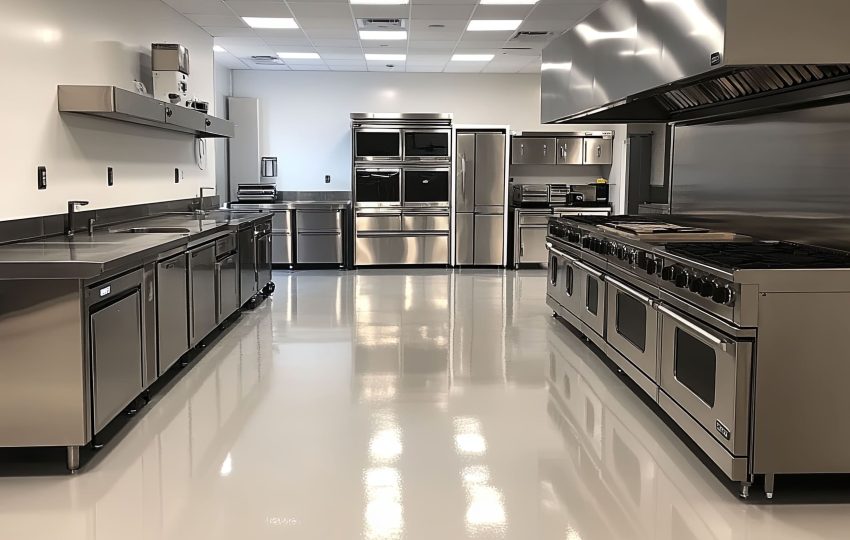
- Commercial kitchens and cleanrooms

Not Always Suitable For:
- Environments where heavy mechanical impact is the primary stressor (requires high-build abrasion systems)
- Outdoor applications exposed to high UV (requires UV-stable aliphatic systems)
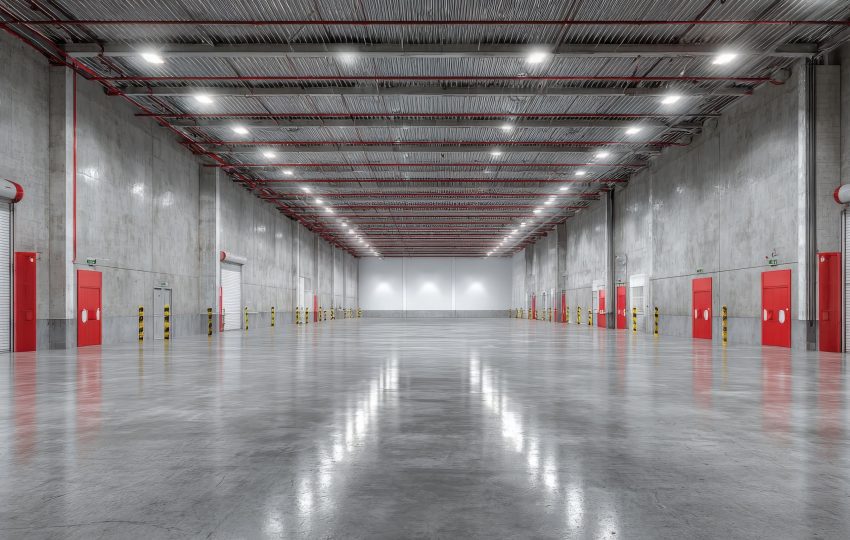
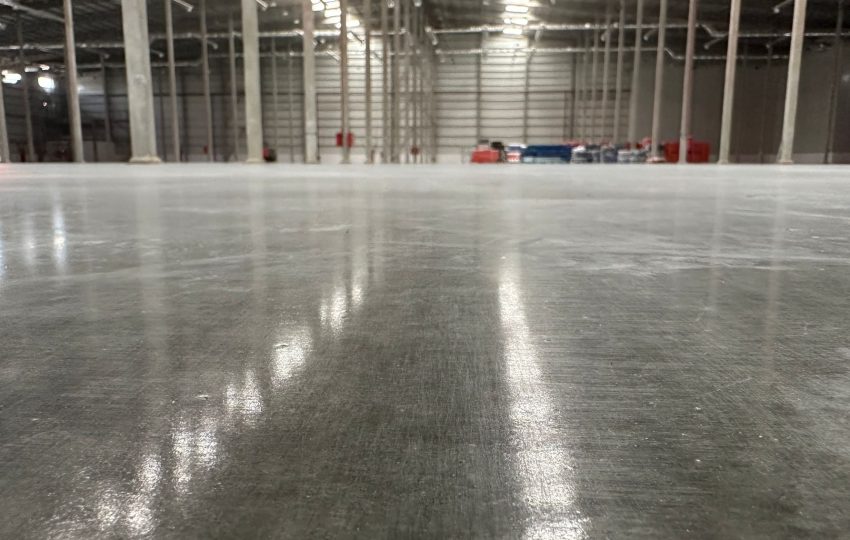
- Standard dry warehouses where microbial control is not a safety requirement
- Substrates with active structural movement (requires flexible membrane integration)
System selection must be based on sanitation protocols—not just antimicrobial claims.
Request a Technical Consultation to determine the specific hygienic requirements for your facility.
Engineered Antimicrobial Systems — Not Just a Coating
True antimicrobial performance is achieved by active agents dispersed throughout the polymer matrix, ensuring the floor remains effective even if the surface is scratched.
At Procure Surface Solutions, we specify antimicrobial systems based on:
- Thermal Shock Resistance: The ability to withstand high-temp washdowns (Urethane Cement).
- Chemical Resistance: Durability against aggressive sanitizers and CIP (Clean-in-Place) chemicals.
- Seamless Integration: Utilizing integral cove bases to eliminate the floor-to-wall joint.
- Non-Porous Density: Ensuring zero absorption of liquids and organic matter.
- Slip Resistance: Maintaining safety in wet environments without compromising cleanability.
The Risk of Porous Surfaces
In hygienic environments, the greatest threat is what you cannot see. When floors are porous, cracked, or have seams, they become breeding grounds for bacteria that cannot be reached by standard cleaning.
Common causes of hygienic failure:
- Porous Substrates: Unsealed concrete absorbing organic waste and moisture.
- Failed Grout Lines: Traditional tile systems providing deep channels for microbial colonization.
- Pinholing: Tiny air bubbles in cheap coatings that trap microscopic debris.
- Improper Detailing: Sharp 90-degree corners at walls where water and bacteria pool.
- Thermal Shock Cracking: Standard epoxy cracking under hot water washdowns, creating “bacteria traps.”
The result:
- Regulatory non-compliance (CFIA, FDA, Health Canada)
- Failed environmental swabs and contamination outbreaks
- Unpleasant odors caused by sub-surface mold growth
- Premature system failure due to sub-strate rot
Types of Antimicrobial Systems
The right system is determined by the “Sanitation Cycle” and the environmental conditions.
System Classifications:
Common System Details:
Hygienic Cove Base: An integral 4″ to 6″ vertical radius that turns the floor into a “bathtub” for easy washdowns.
Stainless Steel Trench Drain Integration: Precision detailing around drainage to prevent liquid bypass.
Unsure which system fits your sanitation protocol? Contact our engineering team for a technical specification.
Our Approach to Hygienic Engineering
At Procure Surface Solutions, we don’t just “paint” a cleanroom—we engineer a sterile outcome.
Every project begins with:
- Bio-Load Assessment: Understanding the specific bacteria or chemicals present.
- Thermal Load Analysis: Measuring the temperature of washdown water and steam.
- Detailing Audit: Identifying drains, curbs, and wall-junctions that require specialized treatment.
Then we:
- Recommend a system that meets CFIA/FDA/USDA standards.
- Prepare the surface to the required CSP to ensure a pinhole-free bond.
- Install with precision, focusing on the critical floor-to-drain and floor-to-wall details.
Installation and Project Execution Porous
Typical process:
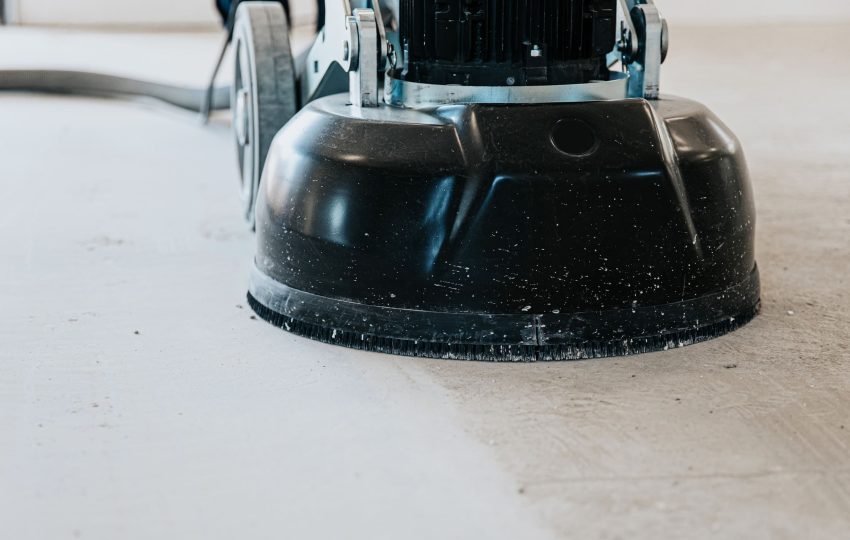
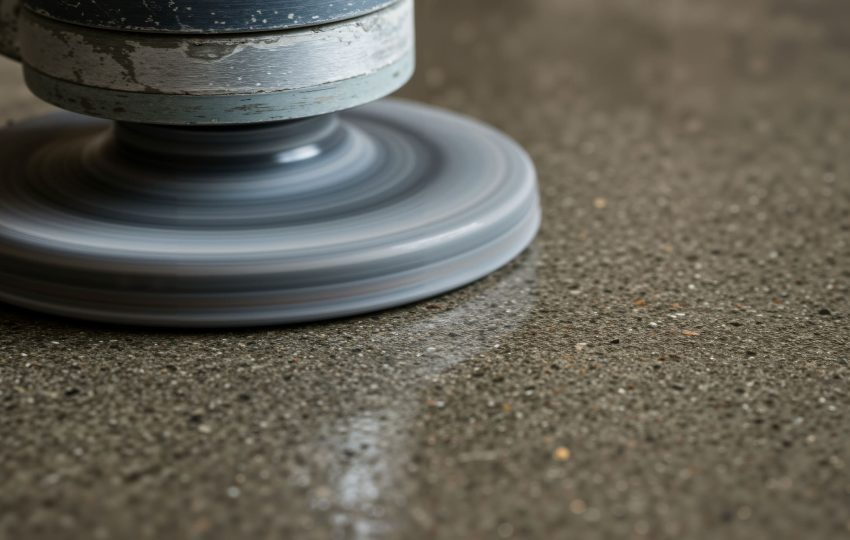
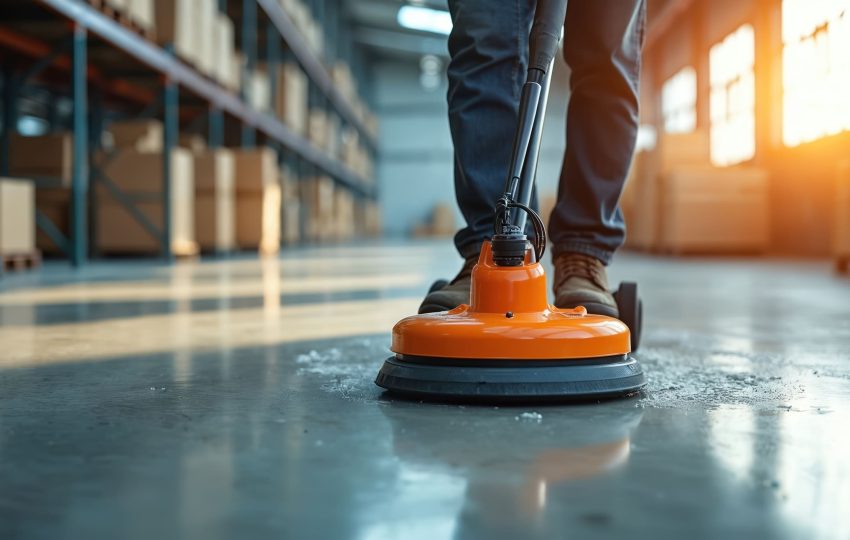
- Dust-Controlled Preparation: HEPA-filtered diamond grinding to maintain cleanroom standards.
- Substrate Mitigations: Treating moisture vapor and repairing cracks before the hygienic layer.
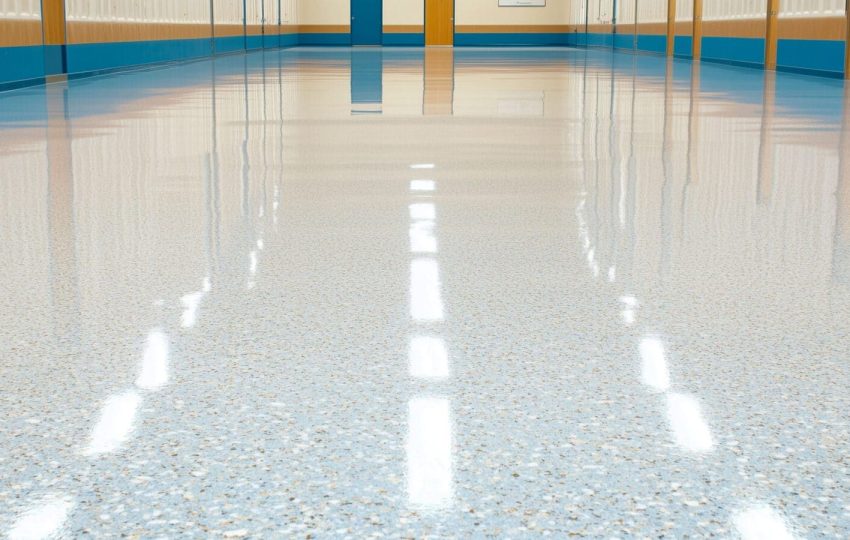
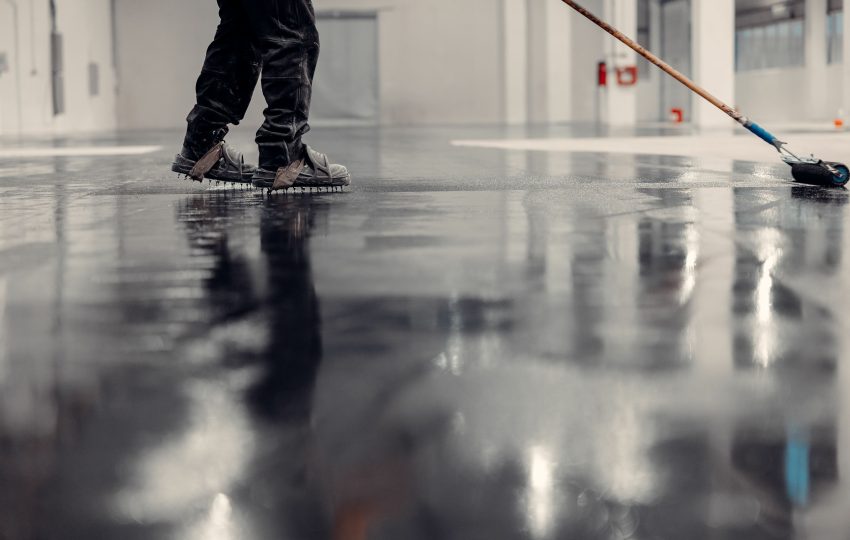
- Seamless Application: Poured-in-place resins that eliminate all seams and grout lines.
- Hygienic Detailing: Hand-tooling cove bases for a seamless transition to walls.
Quality Assurance and Why Procure Surface Solutions
Most antimicrobial floors fail because the installer didn’t understand the chemistry of the washdown cycle. We treat hygiene as an engineering priority.
- We specify systems that inhibit 99.9% of microbial growth.
- We prioritize thermal shock resistance in food processing zones.
- We use professional-grade resins with active antimicrobial agents, not just surface sprays.
- We deliver outcomes that pass the most rigorous health and safety inspections.
We do not install coatings—we engineer outcomes.
Who This Is For
We work with:
- Quality Assurance (QA) Managers
- Facility Directors in Pharma and Food Processing
- Hospital and Laboratory Administrators
- Architects and Engineers designing sterile environments
If you are looking for a decorative floor, we can help—but if you need a floor that passes an environmental swab under pressure, we are the only choice.
FAQs — Frequently Asked Questions in the GTA
Antimicrobial systems are primarily designed to inhibit the growth of bacteria, mold, and fungi. While they create a much cleaner environment, they should be used in conjunction with standard disinfection protocols.
Yes. Because the antimicrobial agents are integrated into the resin itself, the protection lasts for the entire life of the floor, even as it wears down.
A cove base is a curved transition from the floor to the wall. It eliminates the 90-degree corner where bacteria and dirt typically hide, making the room much easier to sanitize.
In many cases, yes—but the tile and grout must be mechanically removed or extensively prepped to ensure the new antimicrobial system has a non-porous, structural bond.
OUR CONTACTS
REQUEST A n Antimicrobial System Assessment
Tell us about your sanitation requirements:
- Sanitation method (Hot water, steam, chemicals)
- Regulatory requirements (CFIA, FDA, etc.)
- Areas of concern (Drains, wall-joints, high-moisture)
Request Your Technical Consultation Today
Schedule a Consultation
+1 647-531-6777
Email us
info@procuresurfacesolutions.ca
Serving the Entire GTA
Toronto, Mississauga, Brampton, Vaughan, Markham, Scarborough, Richmond Hill, Pickering, Whitby, Ajax, Oshawa, Milton, Oakville, Burlington and surrounding areas.
Contact Us