
Food Processing and Hygienic Flooring Systems
Engineered Pathogen Defense and Thermal-Shock Resistance for Global Food Safety Standards
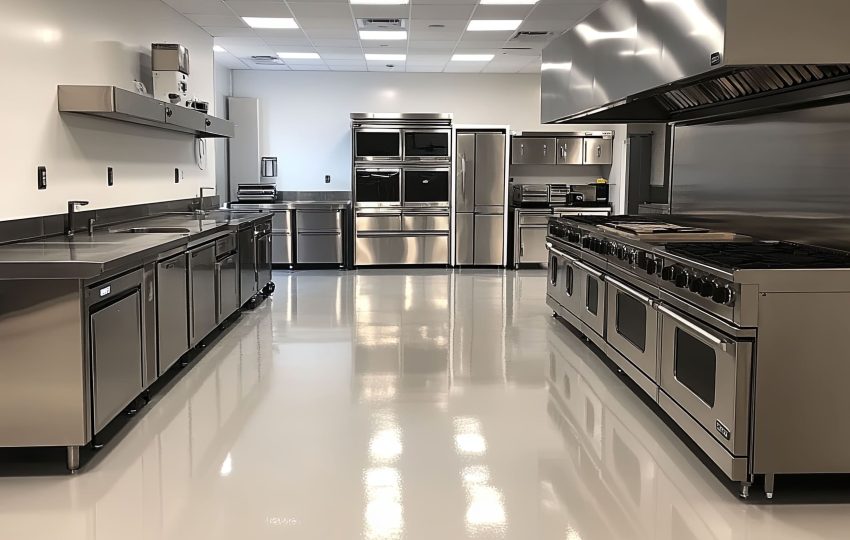
In food and beverage production, the floor is a mission-critical sanitation tool. It must withstand the harshest industrial conditions: daily high-pressure washdowns at near-boiling temperatures, aggressive organic acids (lactic, citric, acetic), and constant heavy-wheeled traffic. At Procure Surface Solutions, we engineer hygienic flooring systems that eliminate bacterial harborages and ensure your facility exceeds CFIA, SQF, and HACCP compliance standards across the Greater Toronto Area.
We do not provide “food-grade paint”; we deliver high-build, monolithic surfaces engineered to survive the specialized “kill zones” of food production.
Where Food Processing Systems — And Where They Don’t
Hygienic systems are specified based on the “Thermal Delta” (temperature swings) and the “Chemical Load” of the processing environment.
Ideal Applications:
- Meat, poultry, and seafood processing plants.
- Dairies, creameries, and cheese production facilities.
- Commercial bakeries and industrial ovens.
- Breweries, wineries, and beverage bottling lines.
- Cannabis cultivation and extraction facilities.
- Commercial kitchens and prepared food commissaries.
Not Always Suitable For:
- Outdoor environments with high UV exposure (requires specialized topcoats).
- Light-duty dry storage where a standard industrial epoxy is more cost-effective.
- Substrates with active structural movement that has not been stabilized.
System selection must be based on “Thermal Shock Resistance” and “Antimicrobial Density”—not just thickness.
Why Standard Floors Fail in Food Plants
Standard epoxy or tile often fails in food plants because it cannot handle Thermal Shock. When $80$°C water hits a $10$°C floor during washdown, the concrete and the coating expand at different rates. Standard epoxy is too rigid; it shears off the concrete, creating “pockets” where Listeria and Salmonella can thrive.
Common causes of failure:
- Delamination via Thermal Shock: Steam cleaning causing the floor to “bubble” or peel away.
- Organic Acid Erosion: Sugars, fats, and acids dissolving the cement paste in unreinforced concrete.
- Grout Line Contamination: Bacteria colonizing the seams between tiles, which are impossible to fully sanitize.
- Slippage Hazards: Floors becoming “skating rinks” when covered in water, fats, or oils.
The result:
- Failed environmental swabs and costly production shutdowns.
- Structural slab rot requiring total floor replacement.
- Workplace safety incidents due to inadequate slip resistance.

Types of Hygienic Flooring Systems
We specify the system chemistry based on the intensity of your sanitation protocols.
System Classifications:
Our Approach to Hygienic Engineering
At Procure Surface Solutions, we coordinate our work with your sanitation and maintenance shifts to ensure zero cross-contamination.
- Sanitation Audit: Identifying washdown temperatures and the specific chemicals (caustics/acids) in use.
- Pathogen Isolation: Utilizing HEPA-filtered, dust-controlled preparation to protect open product lines.
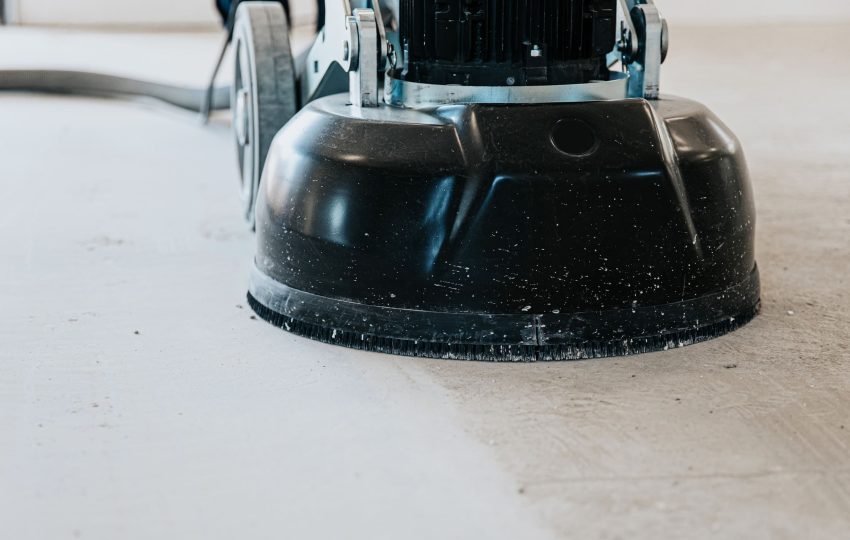
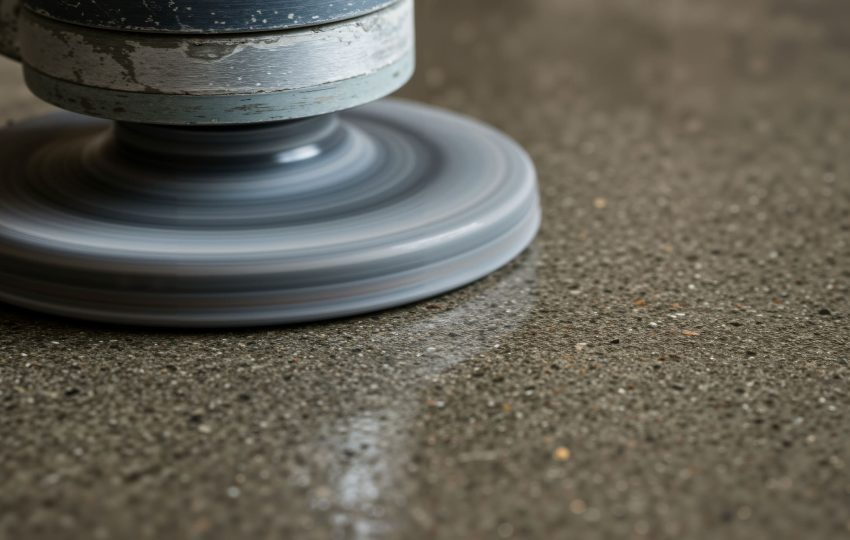
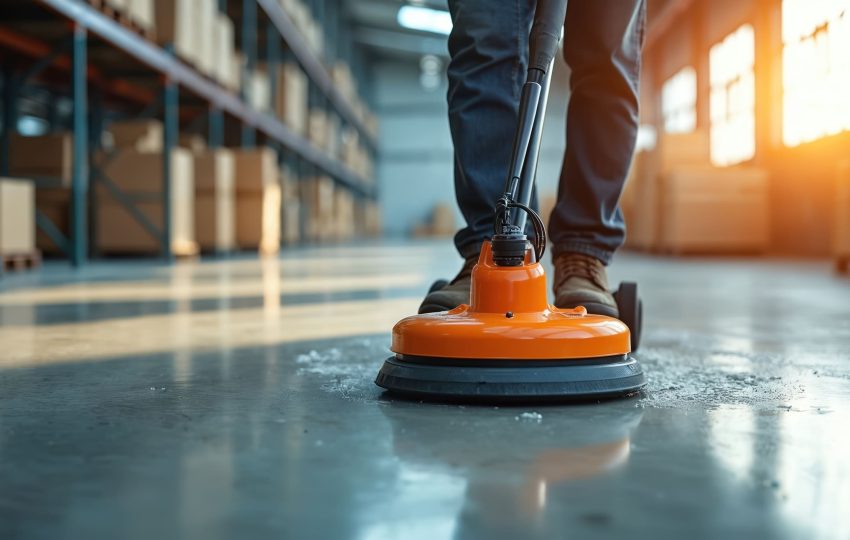
- Heavy Mechanical Profiling: Achieving a CSP 4-6 (Shot-blasting or scarifying) to ensure the system is “locked” into the slab.
- Detailing & Coving: Troweling seamless transitions around drains, curbs, and wall bases.
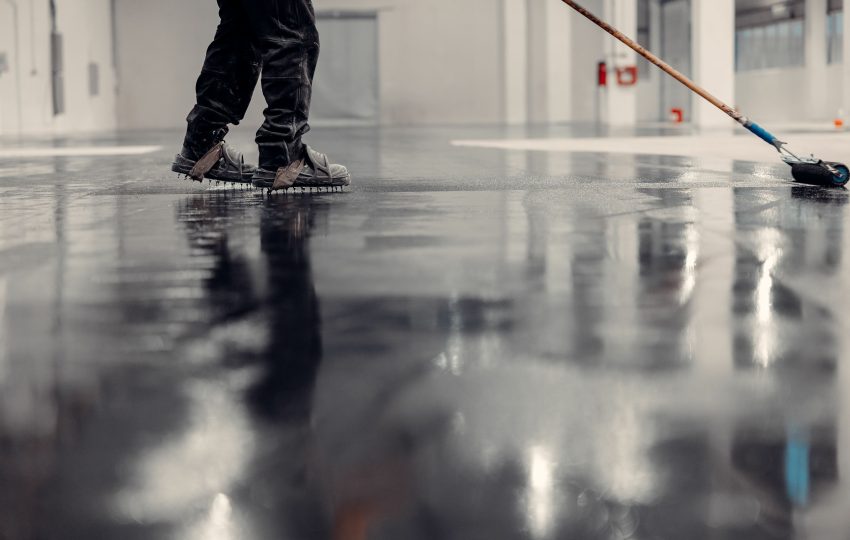
- Thermal-Load Application: Installing high-density Urethane Cement at $1/4$” to $3/8$” thickness for maximum durability.
Quality Assurance & Why Procure Surface Solutions
Food safety is a non-negotiable metric. We treat the floor as a verified component of your facility’s safety barrier.
- CFIA & HACCP Compliance: Our systems are designed to meet the most stringent global food safety audit requirements.
- Extreme Temperature Range: Our Urethane Cement systems are stable from $-40$°C up to $+115$°C.
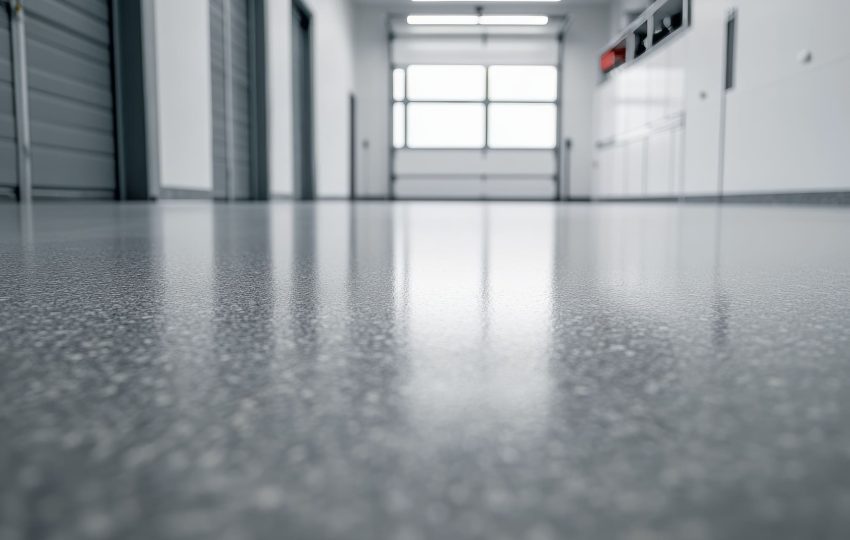
- Seamless Integrity: We eliminate joints and seams, ensuring that every square inch of the floor is accessible to your cleaning chemicals.
- 45 Years of Combined Authority: We have engineered floors for some of the largest food brands and beverage producers in the GTA.
We do not install coatings—we engineer outcomes.

FAQs — Frequently Asked Questions in the GTA
Yes. We utilize specialized “low-temp” resins and MMA systems that can be installed and cured at temperatures as low as $-25$°C, preventing the need to turn off your refrigeration.
We engineer the aggregate broadcast (silica or quartz) to match your specific environment. We can provide an “aggressive” texture for slaughterhouses and dairies, or a “medium” texture for bakeries that is easier to mop.
Epoxy is brittle; it will eventually pop off the concrete when hit with hot water. Urethane Cement is “breathable” and moves with the concrete, making it the only permanent solution for washdown environments.
OUR CONTACTS
REQUEST A Hygienic System Assessment
Tell us about your processing environment:
- What are your peak washdown temperatures?
- What primary acids or caustics do you use for sanitation?
- What is your available window for installation?
Request Your Technical Consultation Today
Schedule a Consultation
+1 647-531-6777
Email us
info@procuresurfacesolutions.ca
Serving the Entire GTA
Toronto, Mississauga, Brampton, Vaughan, Markham, Scarborough, Richmond Hill, Pickering, Whitby, Ajax, Oshawa, Milton, Oakville, Burlington and surrounding areas.
Contact Us