
Epoxy Mortar Flooring Systems Toronto
Engineered Structural Restoration and Ultra-Heavy-Duty Surface Protection
Epoxy mortar is the highest-strength system in the resinous flooring industry. Unlike thin-film coatings, epoxy mortar is a high-build, trowel-applied system composed of 100% solids binders and graded sand aggregates. At Procure Surface Solutions, we engineer epoxy mortar systems for facilities facing extreme mechanical abuse, heavy impact, or structural degradation across the Greater Toronto Area and surrounding industrial markets.
We do not simply cover the floor; we rebuild the slab’s integrity, providing a monolithic wear-layer that is often stronger than the concrete beneath it.
Where Epoxy Mortar Systems Works — And Where It Doesn't
Epoxy mortar is designed for “severe service” environments where high-build thickness is required to absorb energy and protect the substrate.
Ideal Applications:
- Heavy manufacturing and assembly plants with constant forklift and steel-wheel traffic.
- Restoration of old, pitted, or “spalled” concrete slabs.
- Loading docks and staging areas subject to heavy impact.
- Facilities requiring the creation of specific slopes to drains (pitching).
- Secondary containment areas requiring thick, reinforced linings.
- Bases for heavy machinery and equipment.
Not Always Suitable For:
- High-temperature washdown environments (requires Urethane Cement).
- Light-duty commercial spaces where the thickness of mortar is not required.
- Areas with extreme chemical immersion (requires Novolac or Vinyl Ester Mortars).
System selection must be based on “Compressive Strength” and “Impact Load”—not just surface finish.
Why Standard Coatings Fail Under Heavy Loads
Thin-mil coatings lack the “body” to distribute heavy loads. When a heavy forklift drives over a thin coating on a weak slab, the coating cracks because it cannot bridge the point-load pressure.
Common causes of failure:
- Point-Load Cracking: Heavy weights crushing the thin resin layer against the concrete.
- Substrate Telegraphing: Pits and cracks in the concrete showing through the thin finish.
- Bond-Line Shear: High-speed traffic “tearing” a thin coating off the surface.
- Inadequate Thickness: Failing to build the floor to 1/4″ or 3/16″ to handle the energy of falling objects.
The result:
- Extensive cracking and delamination in traffic aisles.
- Accelerated wear on forklift tires and equipment due to uneven surfaces.
- Frequent, costly repairs that interrupt production.

Types of Epoxy Mortar Systems
We engineer the “loading” of the aggregate based on the required thickness and finish of the system.
System Classifications:
Unsure if your slab requires a mortar-grade restoration? Contact our engineering team for a substrate diagnostic.
Our Approach to Mortar Engineering
At Procure Surface Solutions, we treat epoxy mortar as a structural overlay.
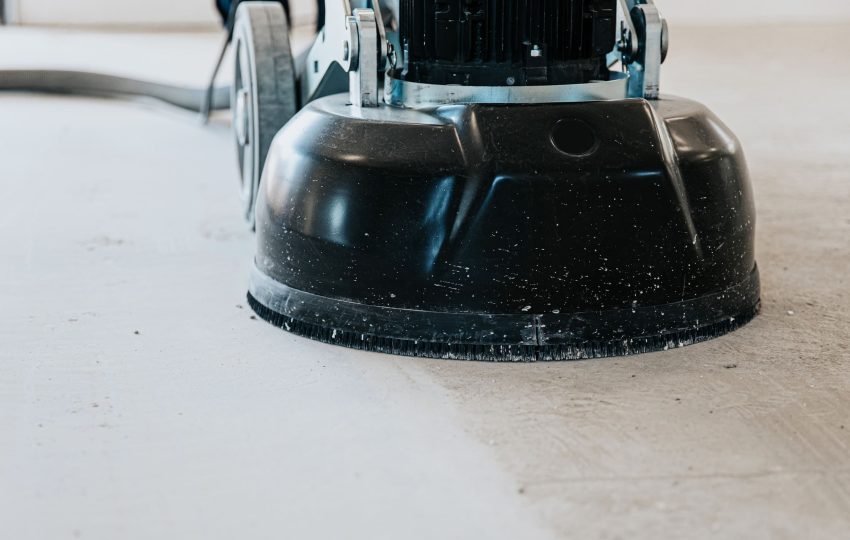
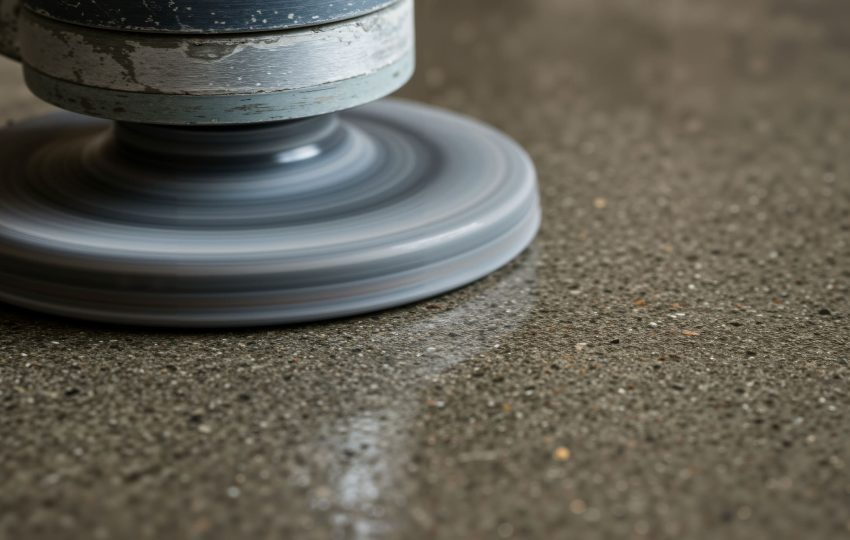
- Heavy Mechanical Profiling: Achieving a CSP 4-6 (Shot-blasting) to ensure a deep anchor into the concrete.
- Primer Saturation: Applying a high-bond primer to “wet out” the concrete and prevent the mortar from starving.
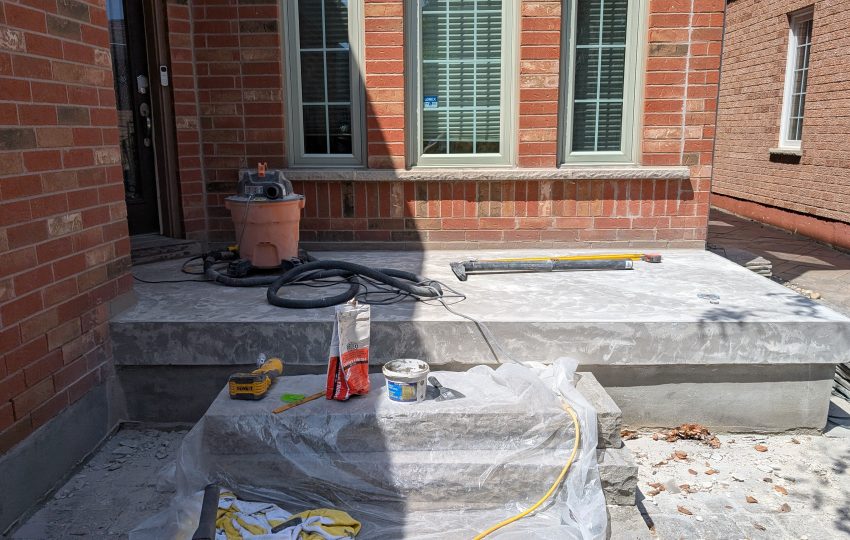
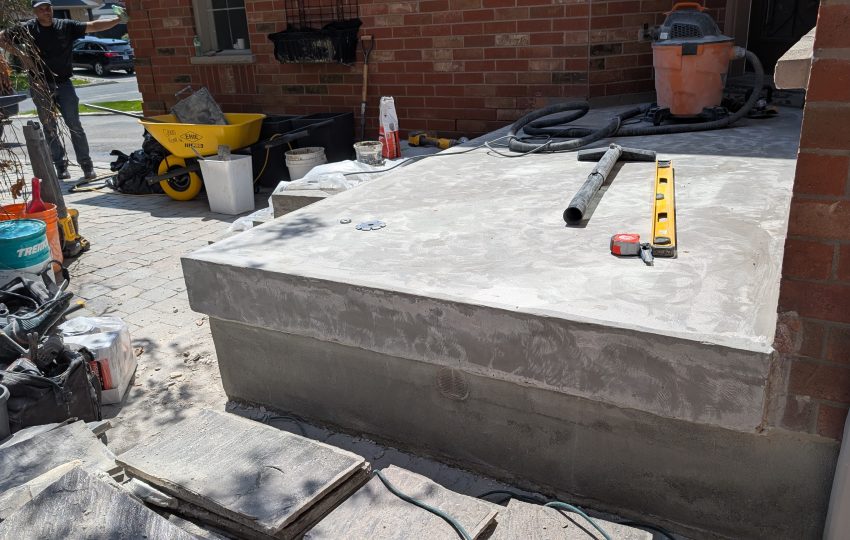
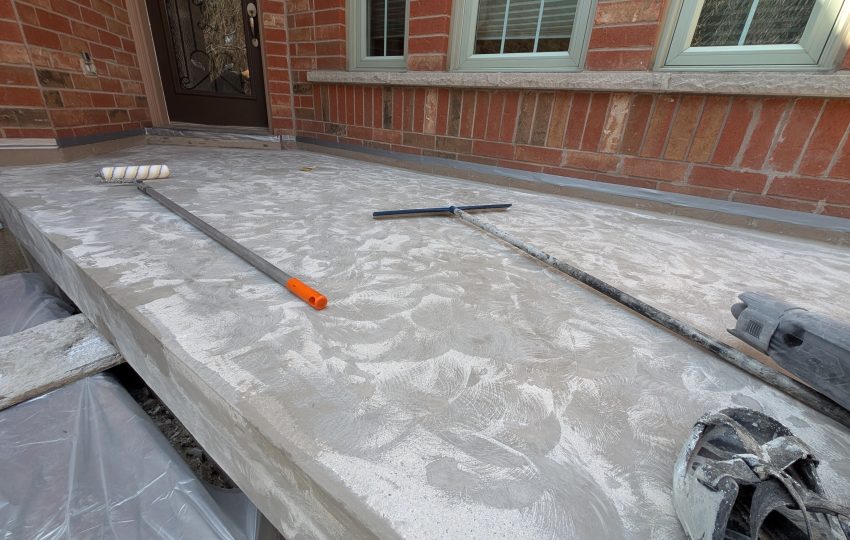
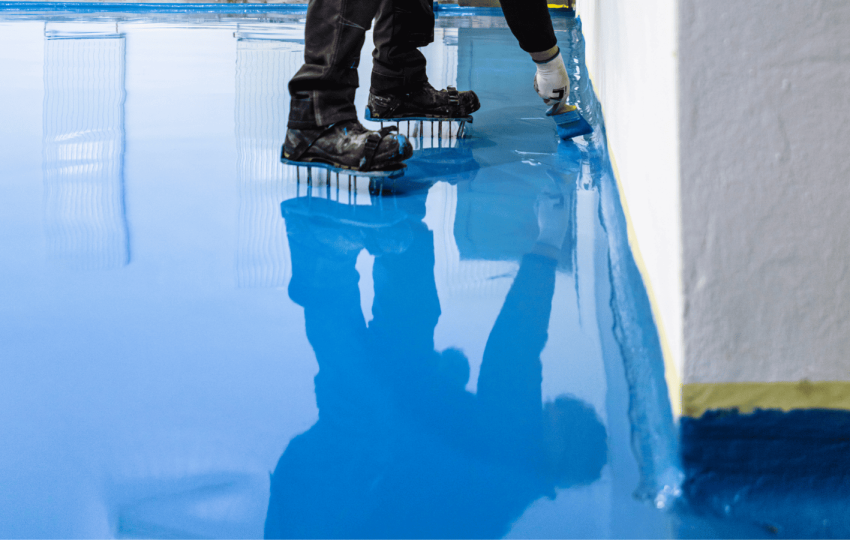
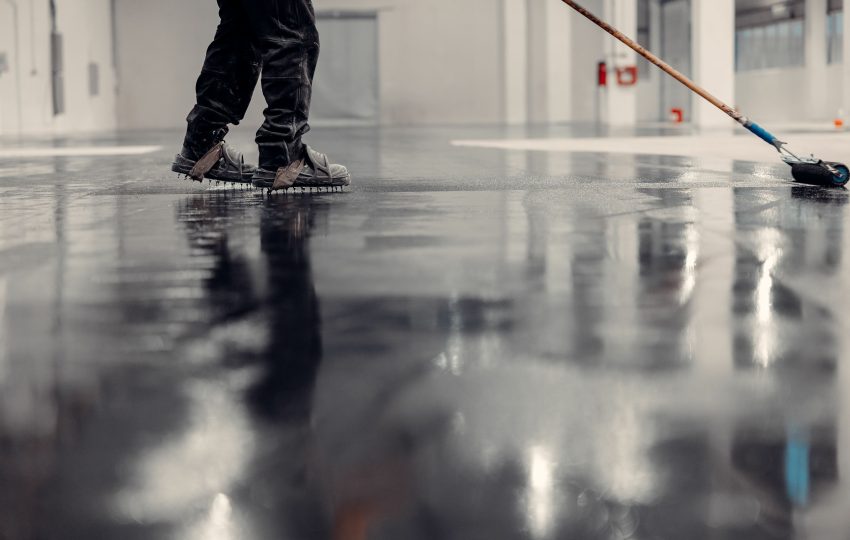
- Mortar Application: Troweling the resin-aggregate mix at a consistent 3/16″ to 1/4″ thickness.
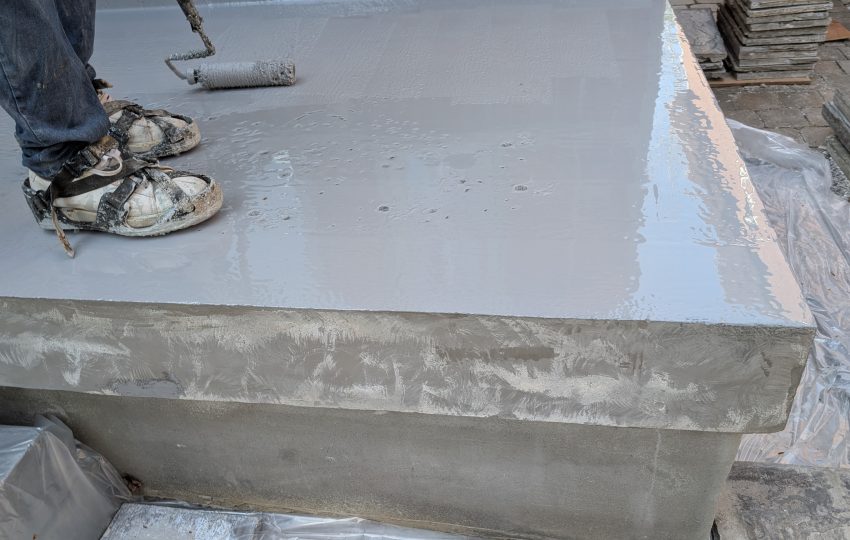
- Grout Sealing: Applying “grout coats” of 100% solids resin to fill the pores of the mortar and create a liquid-tight surface.
- Final Wear-Layer: Installing the specified topcoat for chemical resistance or slip-resistance.
Quality Assurance & Why Procure Surface Solutions
Most contractors avoid mortar because it is labor-intensive and requires high skill. We specialize in it because it is the only permanent solution for heavy industry.
- Extreme Compressive Strength: Our mortar systems often exceed 10,000 psi, nearly triple the strength of standard concrete.
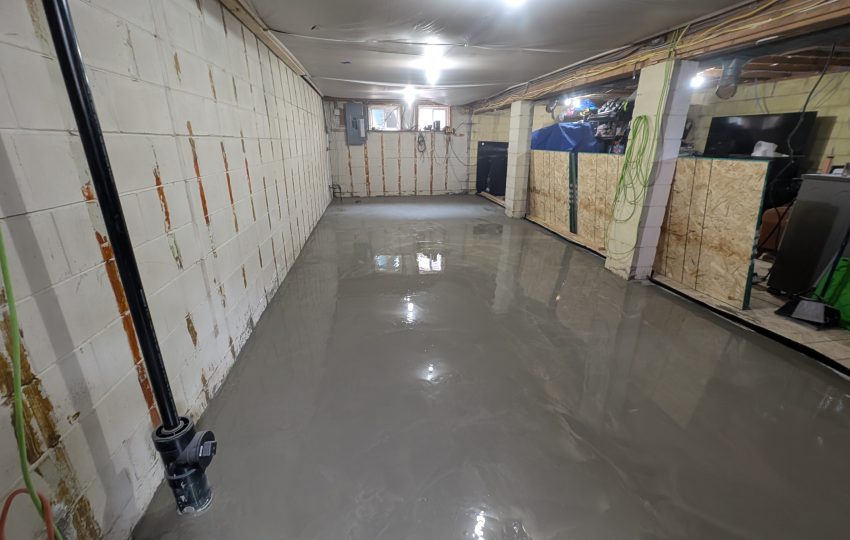
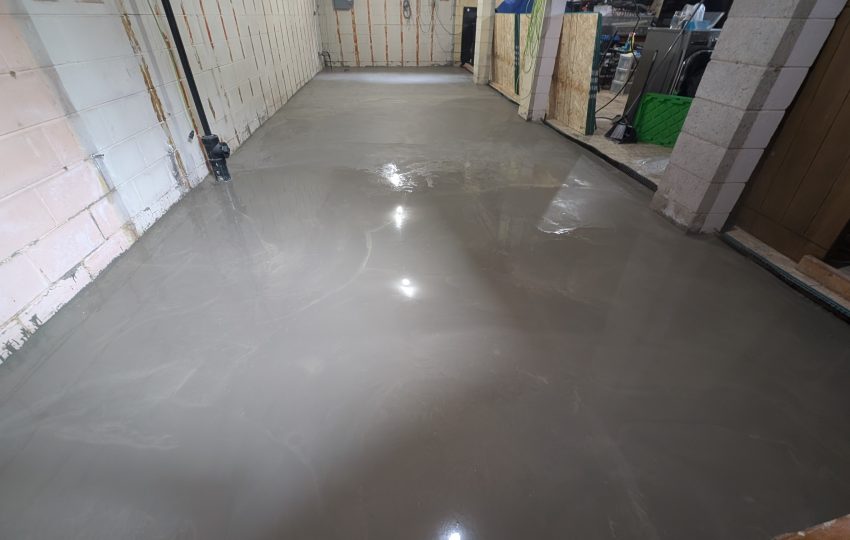
- Substrate Restoration: We can take a 40-year-old, “rotten” floor and turn it into a new, leveled surface.
- Monolithic Protection: No joints or seams for heavy wheels to catch on and break.
- Precision Pitching: We can use mortar to “slope-to-drain,” ensuring no standing water in your facility.
We do not install coatings—we engineer outcomes.

FAQs — Frequently Asked Questions in the GTA
Typically, these systems are installed between 3/16″ and 1/4″ (4.7mm to 6.3mm). This thickness is what allows the floor to absorb heavy impact and bridge imperfections in the concrete.
Yes. We treat the cracks with structural epoxy injections first, then overlay the entire area with the mortar system to create a new, continuous surface that prevents the cracks from “reflecting” through.
While mortar is a thick system, we can utilize rapid-cure binders that allow for foot traffic in 8-12 hours and heavy forklift traffic in 24 hours, depending on the temperature of the facility.
OUR CONTACTS
REQUEST A Epoxy Mortar System Assessment
Tell us about your slab:
- Current condition (Pitting, cracking, exposed aggregate).
- Type of traffic (Forklifts, steel wheels, pallet jacks).
- Weight of the heaviest equipment or vehicles.
Request Your Technical Consultation Today
Schedule a Consultation
+1 647-531-6777
Email us
info@procuresurfacesolutions.ca
Serving the Entire GTA
Toronto, Mississauga, Brampton, Vaughan, Markham, Scarborough, Richmond Hill, Pickering, Whitby, Ajax, Oshawa, Milton, Oakville, Burlington and surrounding areas.
Contact Us