
CONCRETE SEALING & SURFACE PRESERVATION SYSTEMS
Engineered Protection for Concrete That Was Never Meant to Be Exposed
Concrete is not a finished surface — it is a porous structural material that is constantly exposed to moisture, abrasion, chemicals, and environmental stress.
Without proper protection, concrete begins to deteriorate—sometimes slowly, sometimes rapidly—but always predictably.
At Procure Surface Solutions, we engineer Concrete Sealing & Surface Preservation Systems to protect, stabilize, and extend the lifecycle of concrete substrates across commercial, industrial, and institutional environments throughout Toronto and the Greater Toronto Area.
These are not cosmetic sealers. These are performance-driven systems designed around how your facility actually operates.
SYSTEM CLASSIFICATION
System Type:
Surface Protection & Preservation System
Function:
Moisture Control / Surface Hardening / Contamination Resistance
Typical Thickness:
Penetrating / Thin-Film (0–10 mils depending on system)
Service Environment:
Light to Moderate Duty / Pre-Coating / Exposure Zones
WHY CONCRETE SEALING MATTERS
Most concrete failures are not structural — they are surface failures caused by exposure.
Unprotected concrete is vulnerable to:
- Moisture penetration and freeze-thaw damage
- Surface dusting and material breakdown
- Oil, salt, and chemical contamination
- Abrasion from traffic and equipment
- Long-term degradation requiring costly repairs
Sealing systems act as a first line of defense, controlling how concrete interacts with its environment.
But not all sealers are created equal — and choosing the wrong system can lead to premature failure and unnecessary lifecycle costs.
ENGINEERED — NOT APPLIED
At Procure, we do not “apply sealers.”
We engineer systems based on:
- Substrate condition and porosity
- Moisture behavior and vapor transmission
- Chemical and environmental exposure
- Traffic conditions and operational use
- Lifecycle expectations and maintenance strategy
This ensures your concrete is not just treated — it is protected with intent.
TYPES OF CONCRETE SEALING SYSTEMS
Penetrating Sealers (Silane / Siloxane)
- Deep penetration into concrete matrix
- Hydrophobic barrier against water and chlorides
- Ideal for exterior slabs, parking structures, and exposed concrete
Concrete Densification Systems
- Lithium / sodium / potassium silicate treatments
- Increased surface hardness and abrasion resistance
- Reduced dusting in industrial environments
Commonly integrated with:
- Polished Concrete Systems
- Warehouse and industrial slabs
Film-Forming Sealers
- Surface-applied protection layer
- Enhanced stain and chemical resistance
- Controlled permeability depending on system
Protective Conditioning Systems
- Pre-coating sealing and substrate stabilization
- Dust-proofing and consolidation
- Preparation layer for coating systems
APPLICATION CONTEXT: NEW BUILD, RETROFIT & RESTORATION
Concrete sealing and surface preservation systems can be deployed across multiple project types, each requiring a different level of evaluation and system design.
For new concrete installations, sealing systems are used to:
- Protect slabs immediately after curing
- Control early moisture exposure and contamination
- Improve long-term durability from day one
- Prepare substrates for future coating systems
Ideal for:
- Warehouses
- Parking structures
- Commercial slabs
- Institutional facilities
In existing facilities, sealing systems are engineered to:
- Upgrade surface performance without full replacement
- Address dusting, porosity, and wear
- Improve cleanability and maintenance
- Extend the life of aging concrete
Often used where:
- operations must continue
- budgets do not allow full coating systems
- slabs are structurally sound but underperforming
For deteriorated or contaminated concrete, sealing systems are used as part of a restoration strategy, including:
- Mechanical surface preparation
- Crack and defect remediation
- Densification and stabilization
- Protective sealing to prevent further degradation
Important:
Sealing is only applied after proper substrate correction — never as a shortcut.
Whether protecting new concrete or extending the life of existing substrates, every system is engineered based on actual condition — not assumptions.

SYSTEM INTEGRATION
Concrete sealing systems are rarely used in isolation.
They are commonly integrated with:
- Engineered Epoxy Flooring Systems
- Urethane Cement Flooring Systems
- Polyaspartic & Rapid-Cure Systems
- Structural Traffic Coating & Waterproofing Systems
- Moisture Mitigation & Vapor Control Systems
- Substrate Engineering & Surface Preparation Systems
- Polished Concrete Systems
This positions sealing as a critical layer within engineered systems, not a standalone product.
PERFORMANCE BENEFITS
- Moisture control and reduced ingress
- Increased surface hardness and durability
- Reduced dusting and improved air quality
- Resistance to chemicals, oils, and salts
- Extended service life and reduced maintenance costs
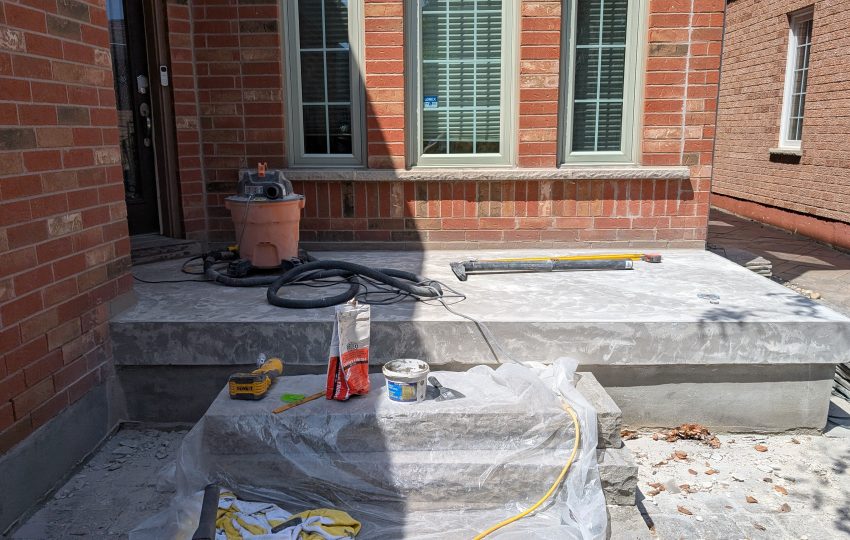
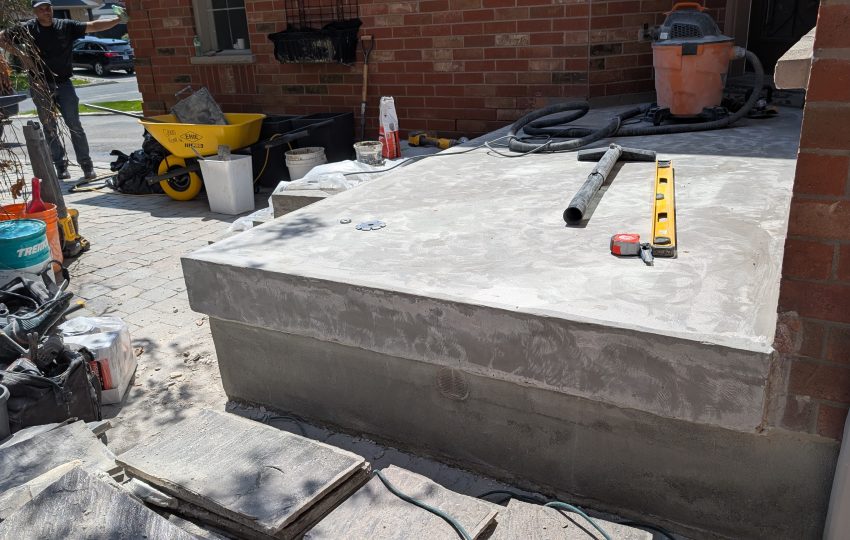
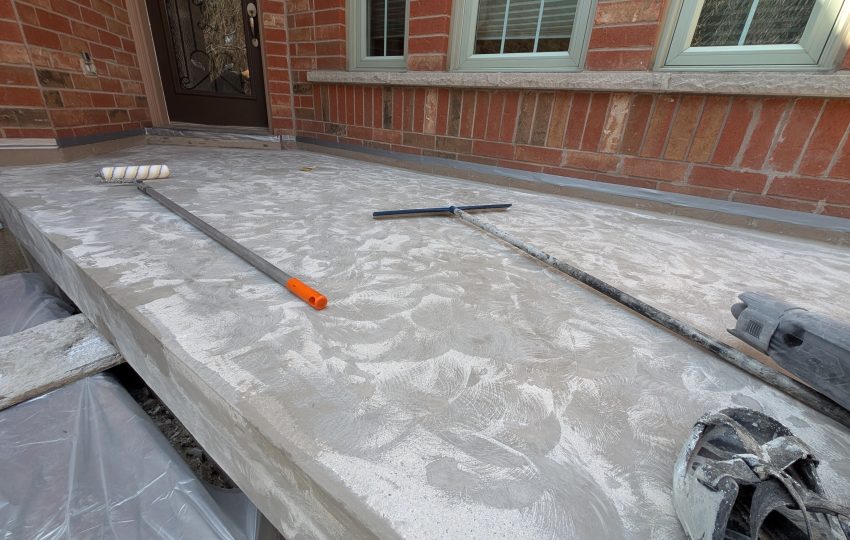
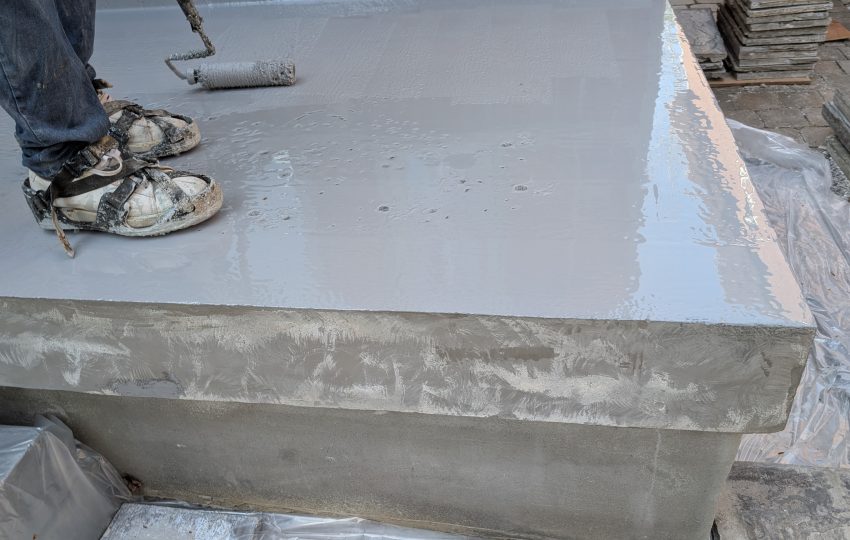
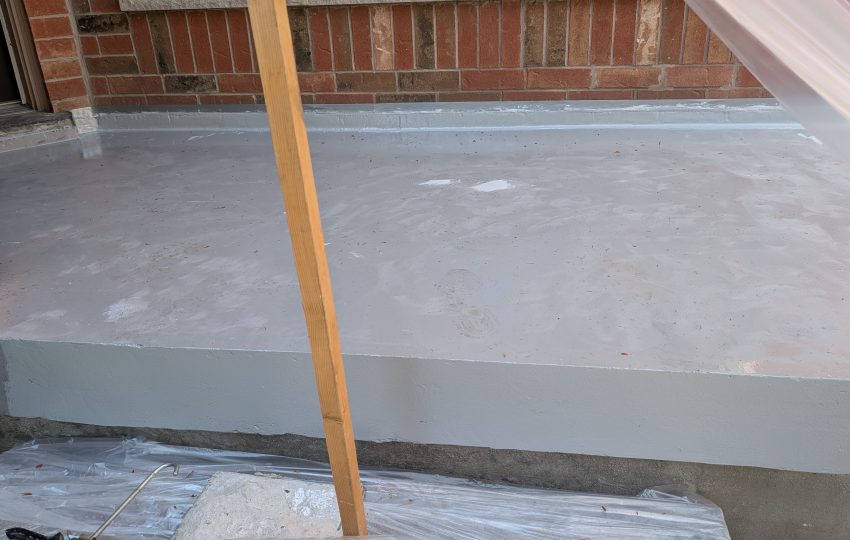
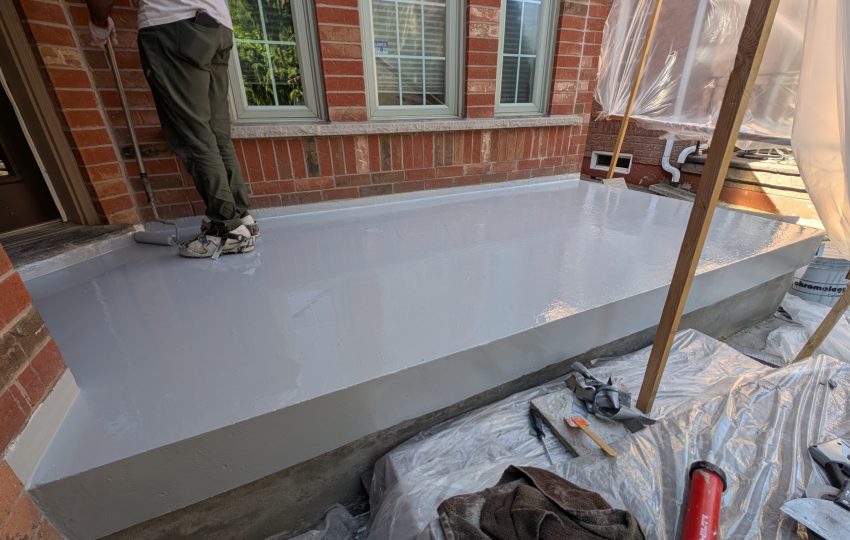
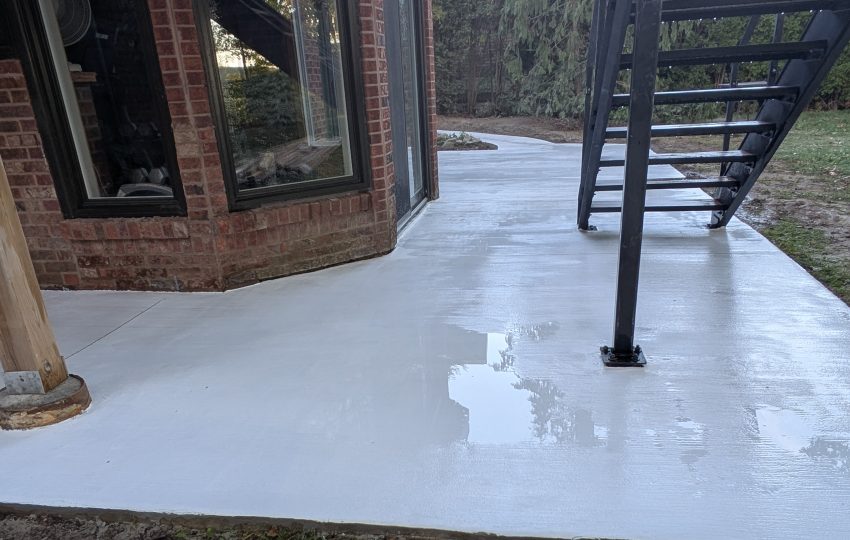
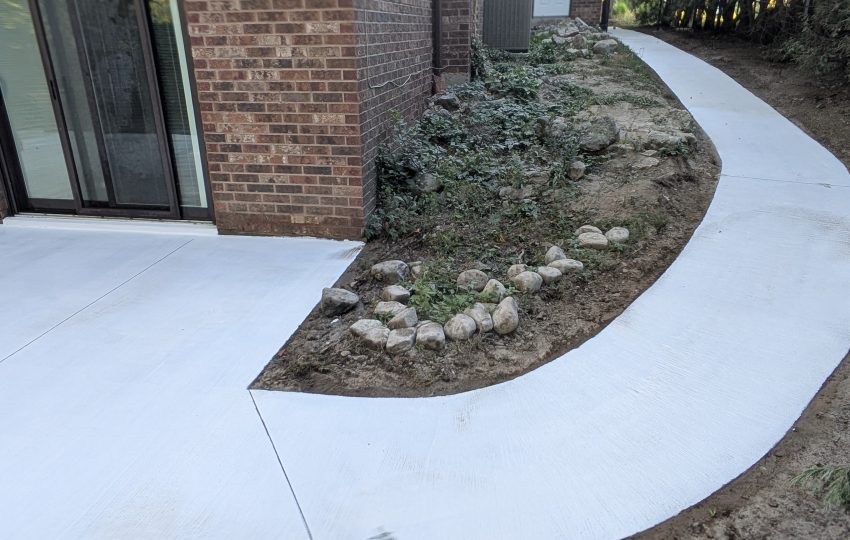
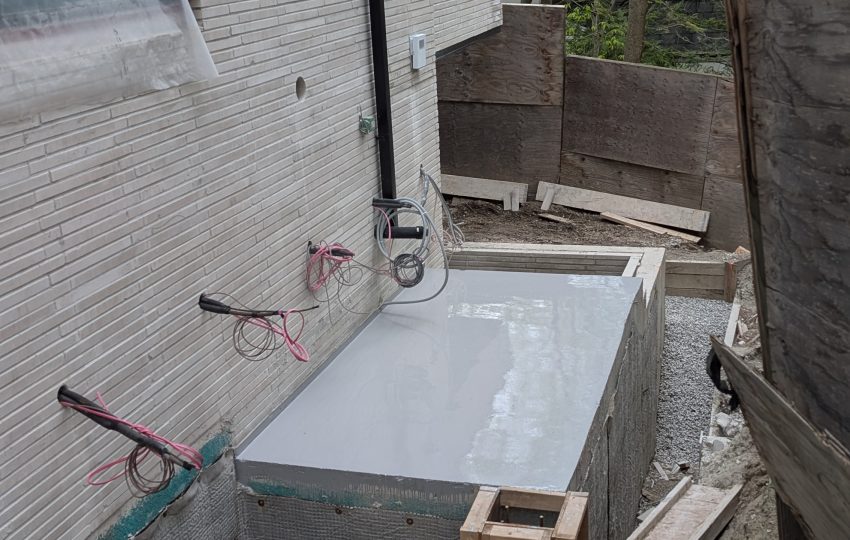
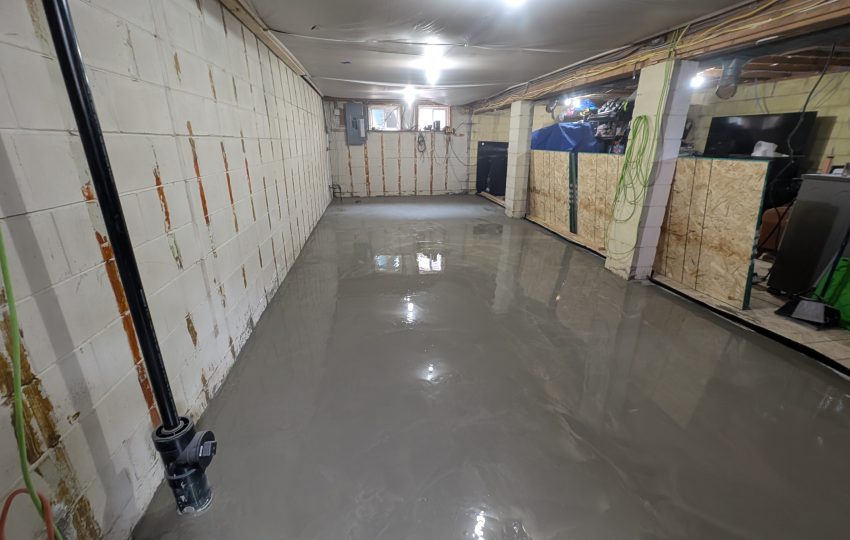
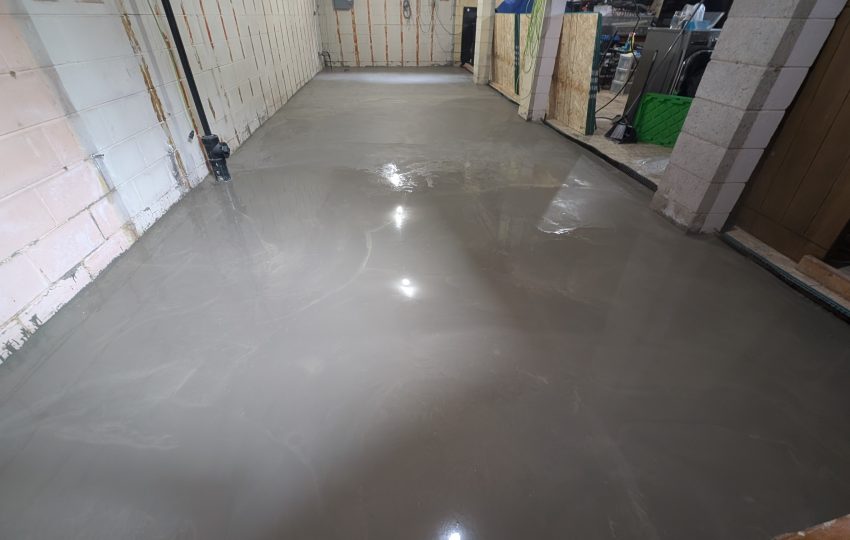
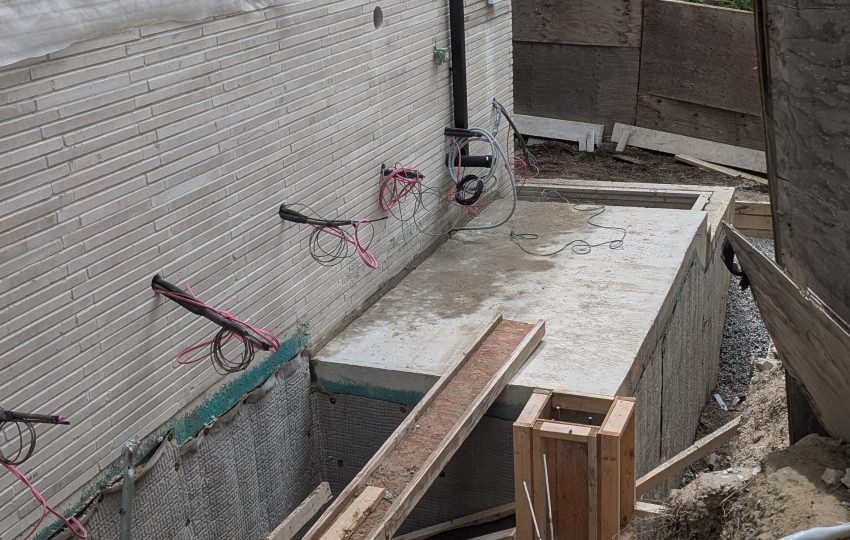
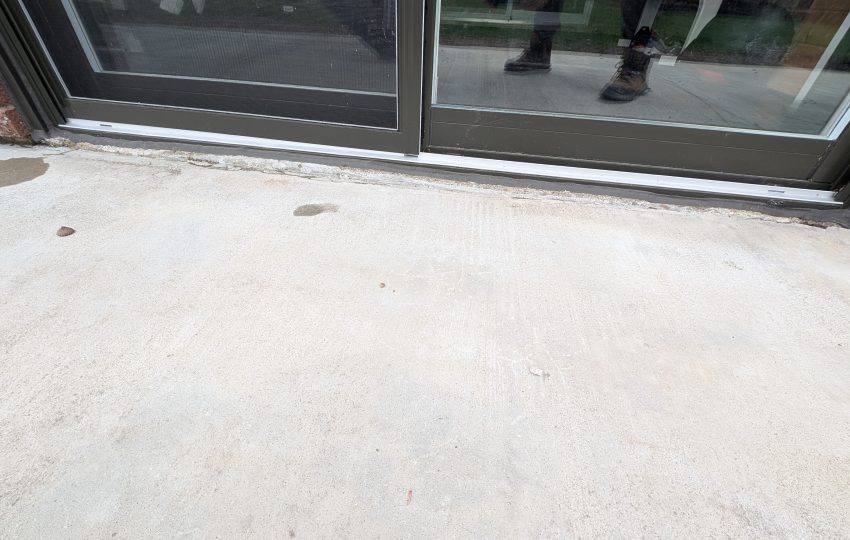
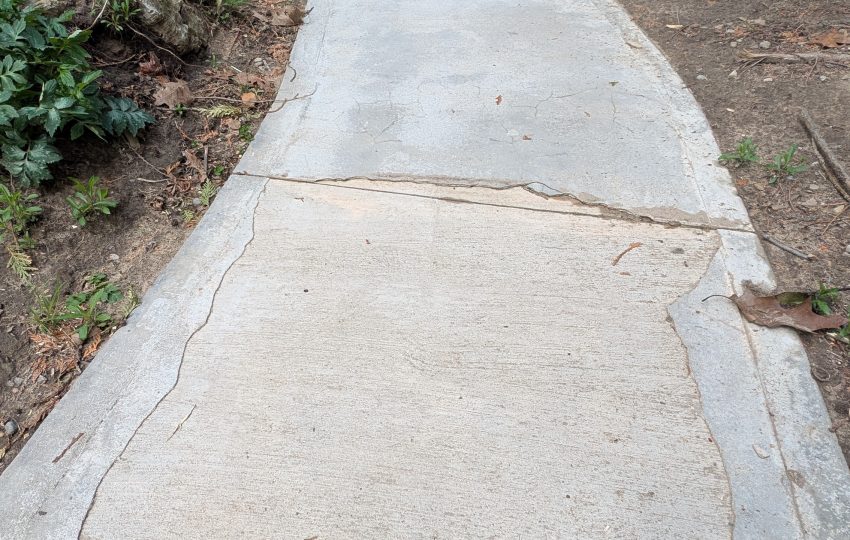
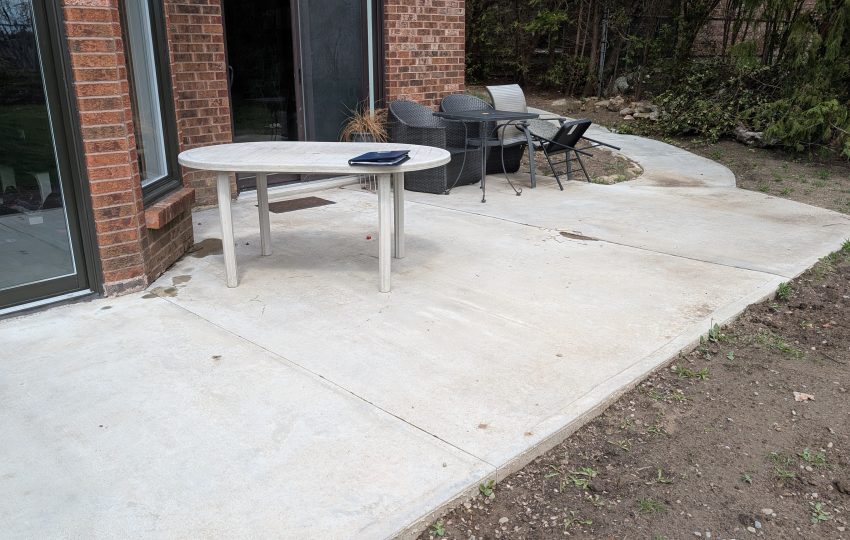
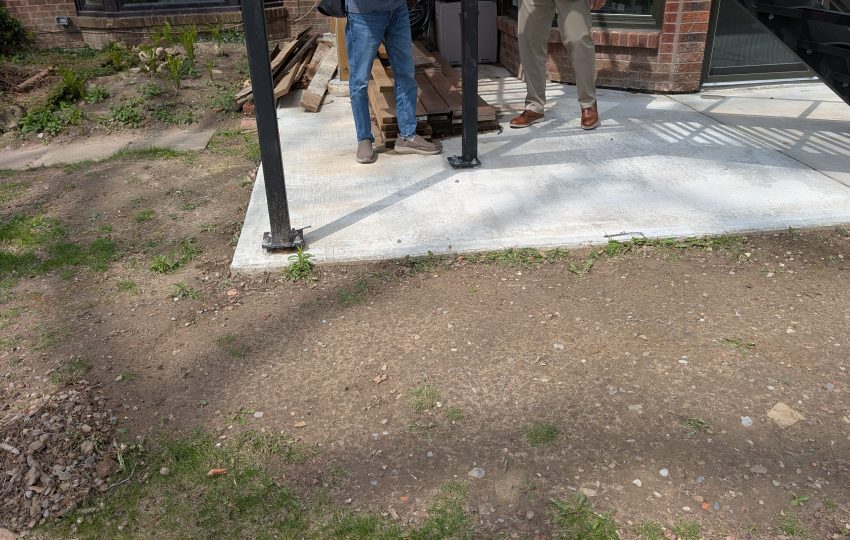
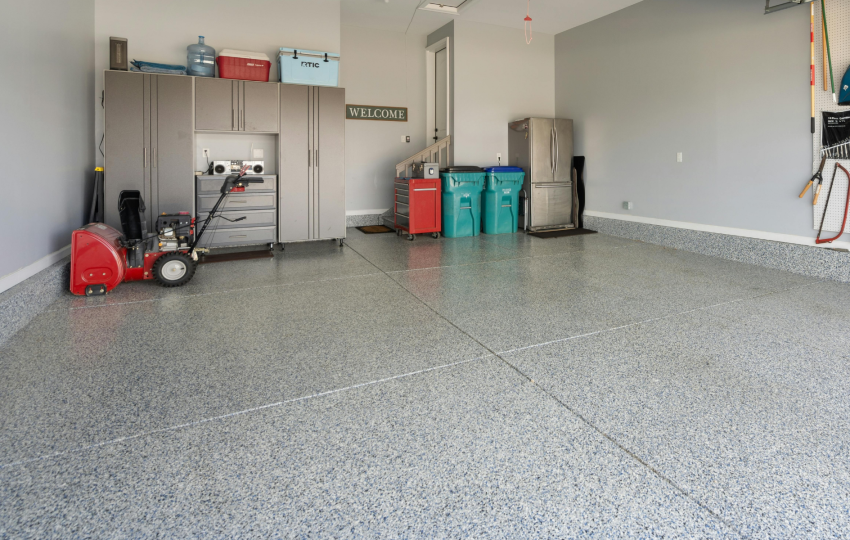
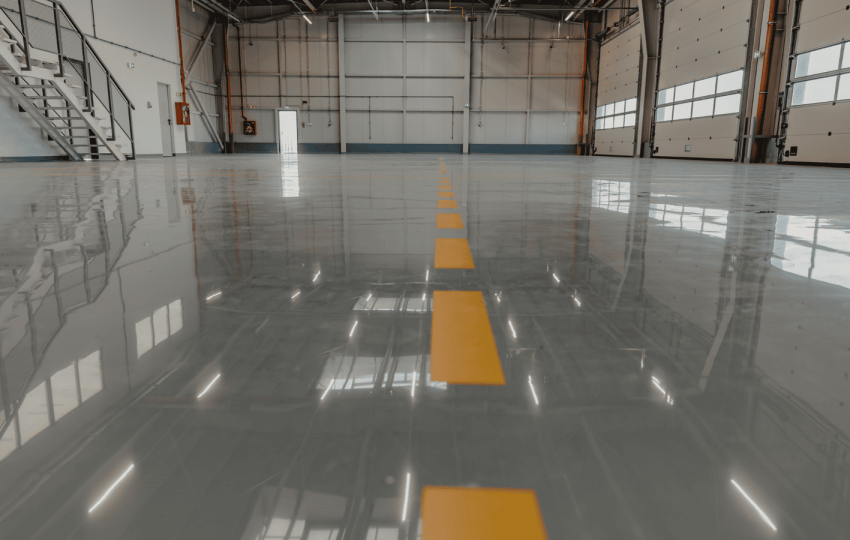
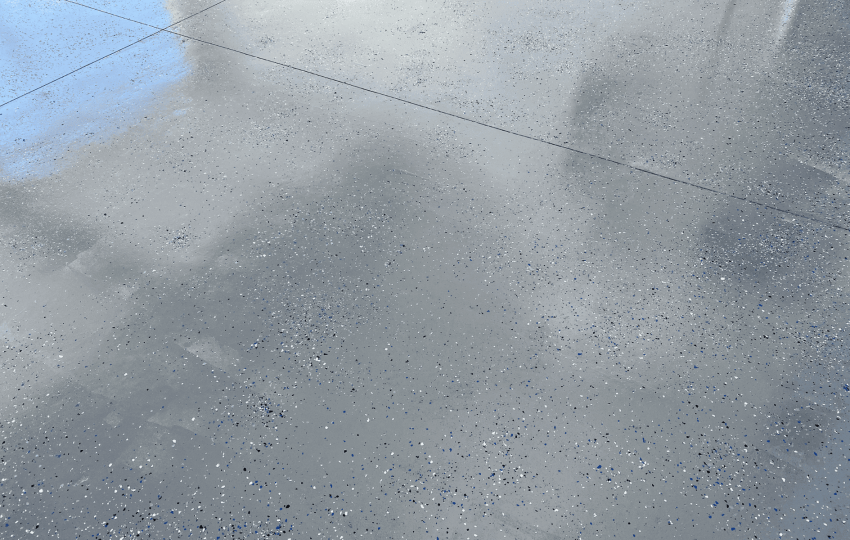
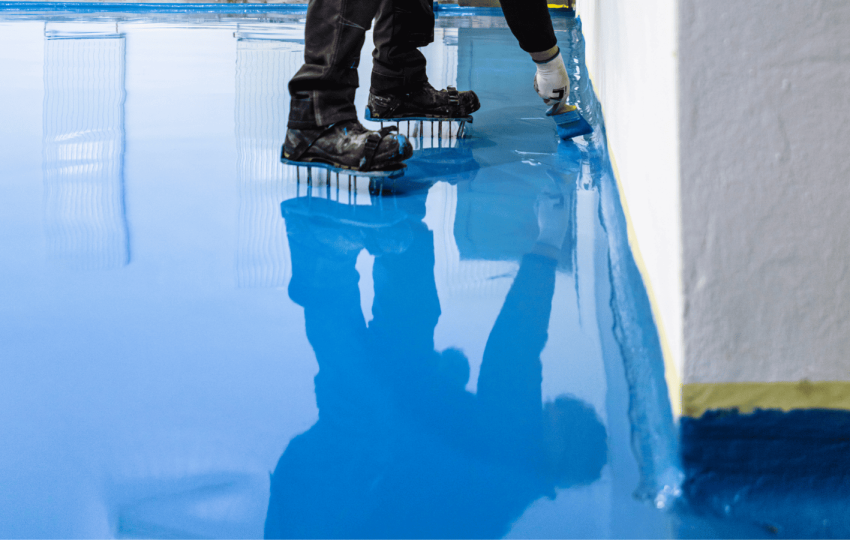
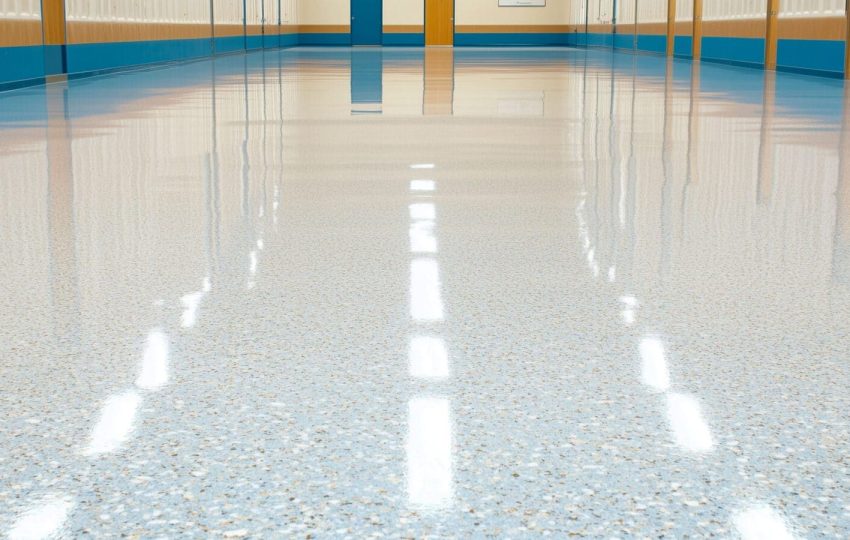
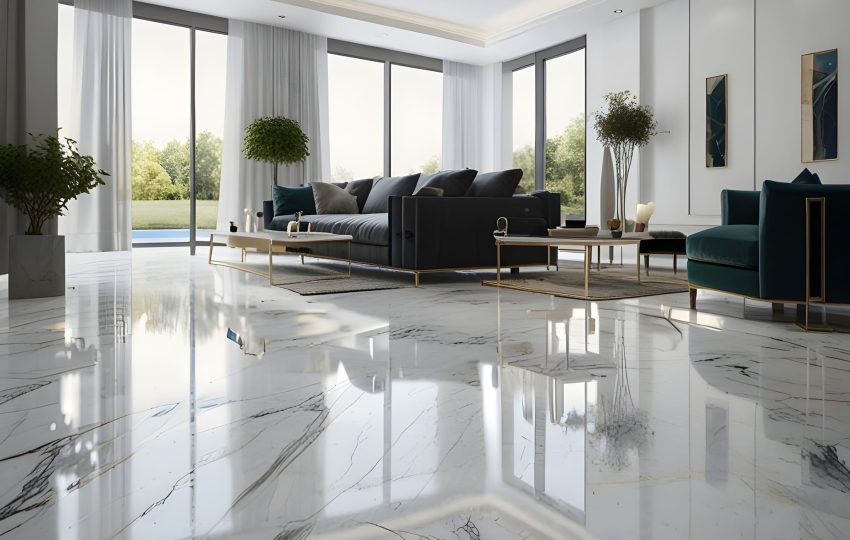
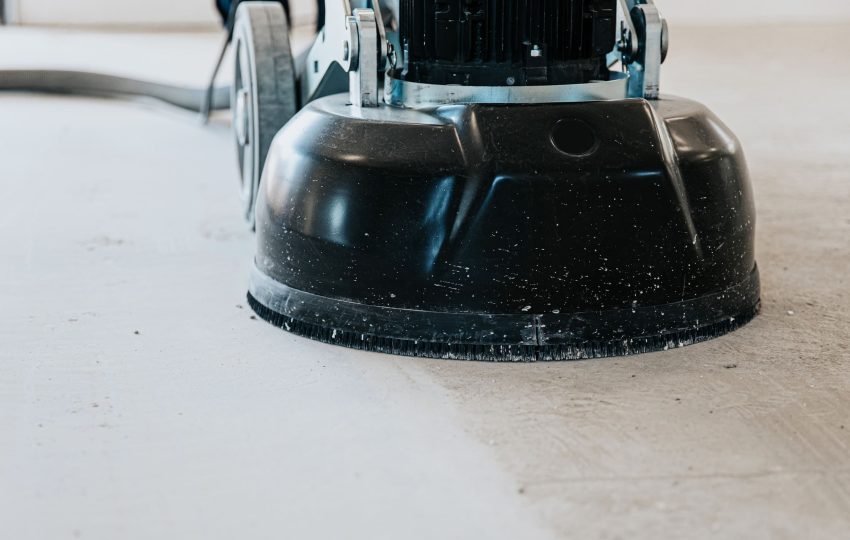
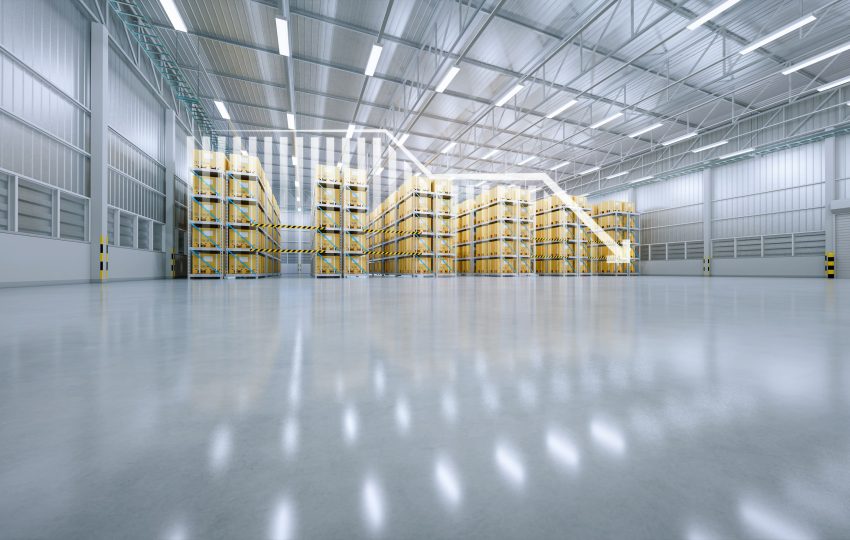
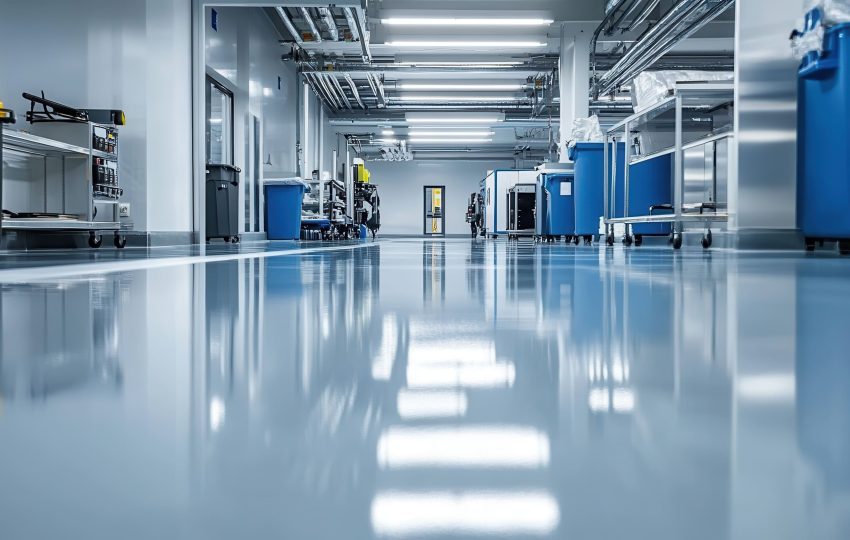
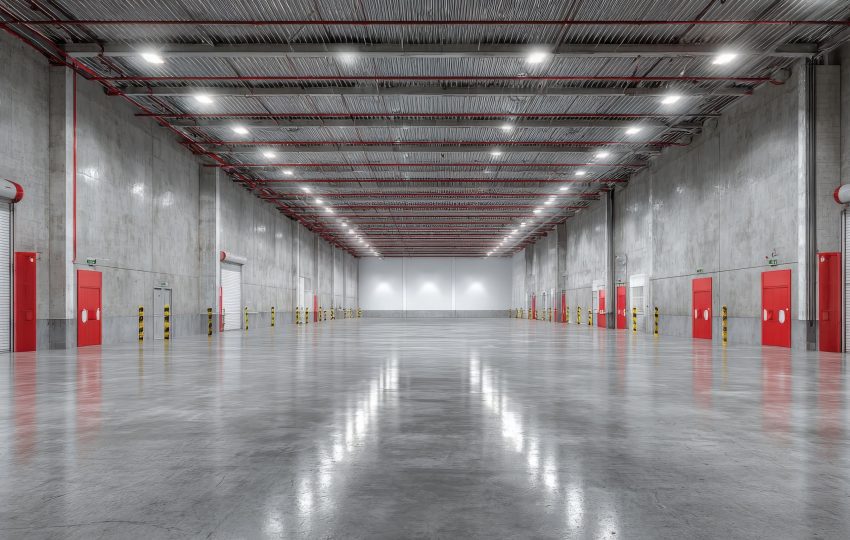
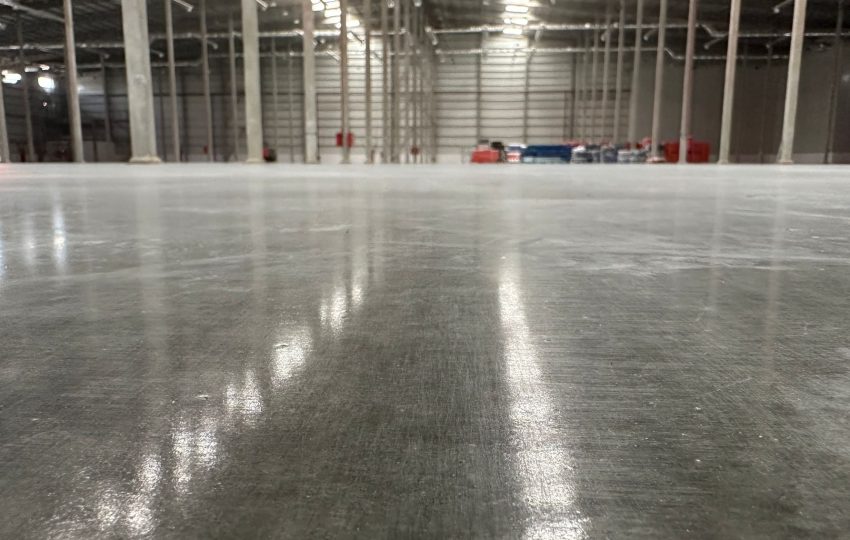
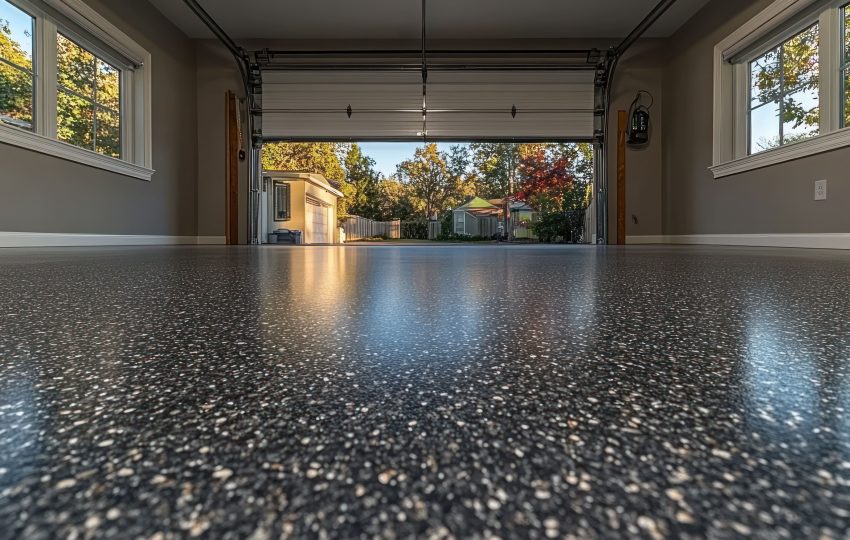
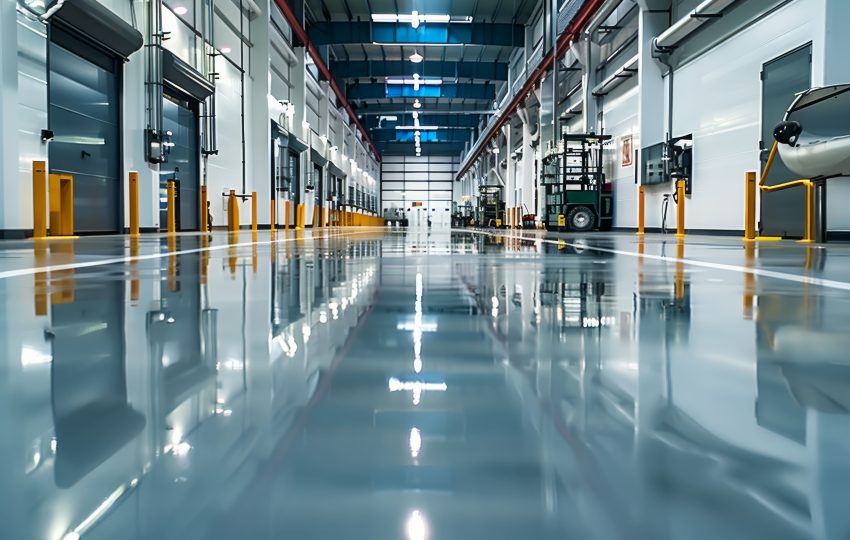
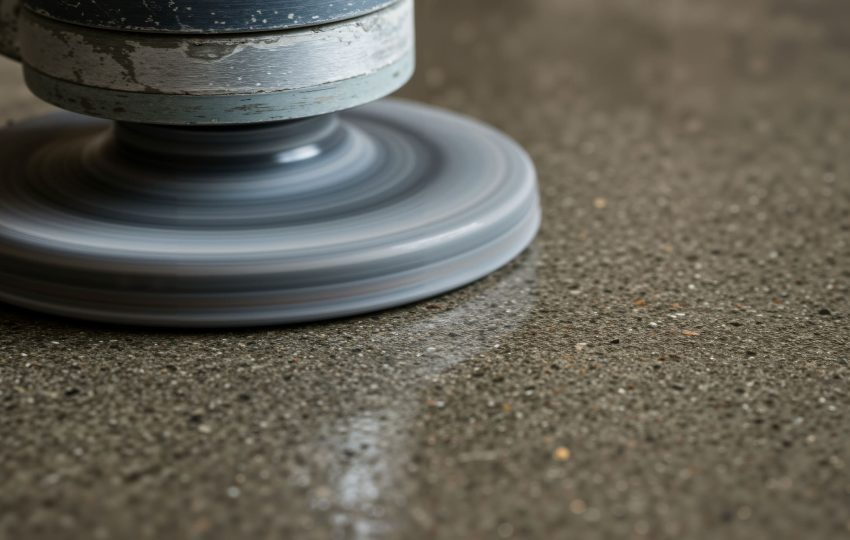
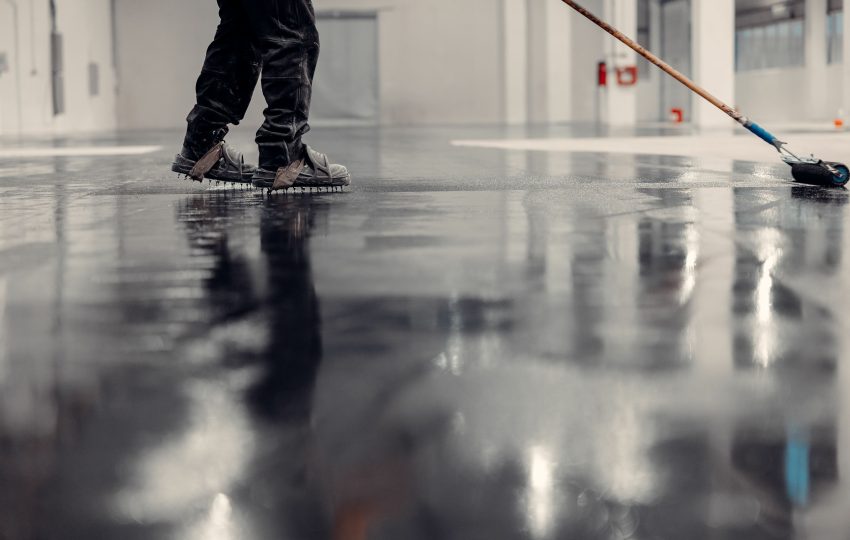
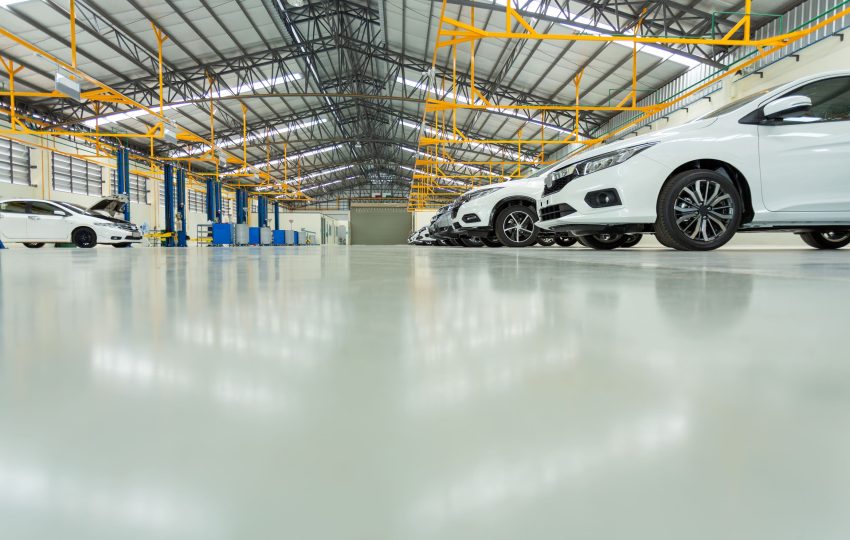
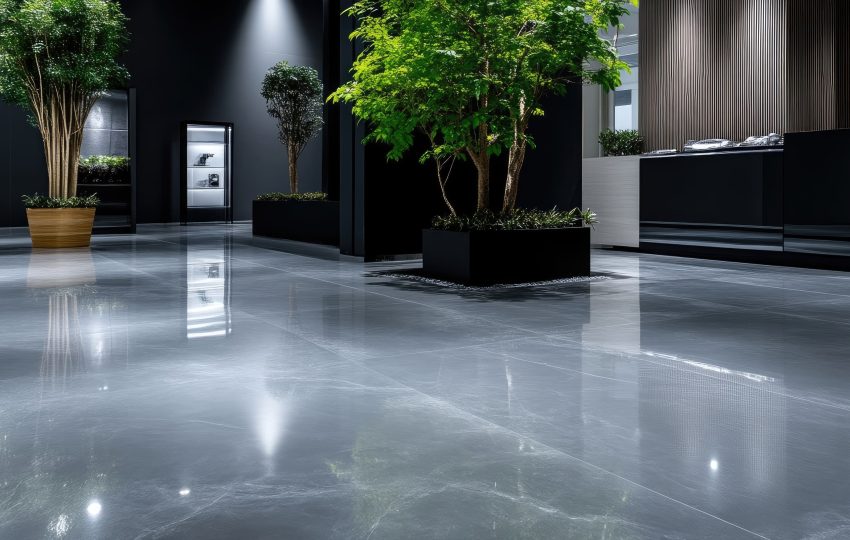
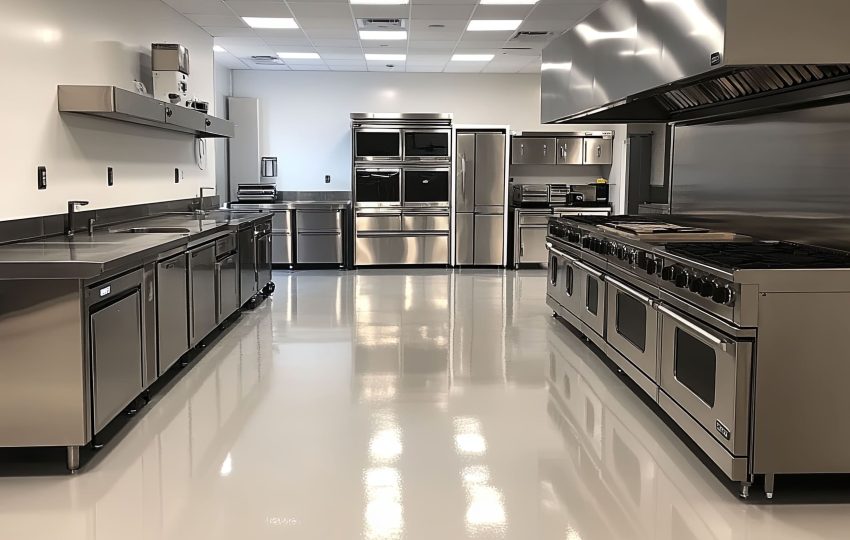
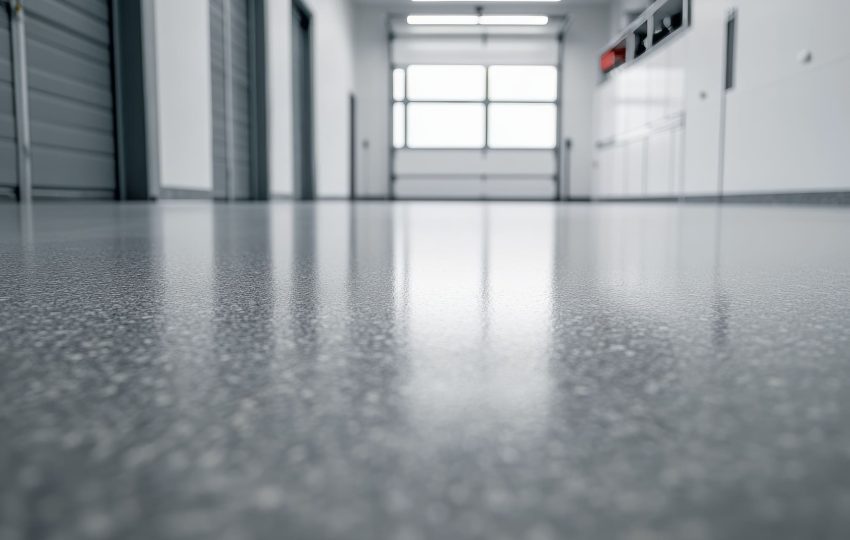
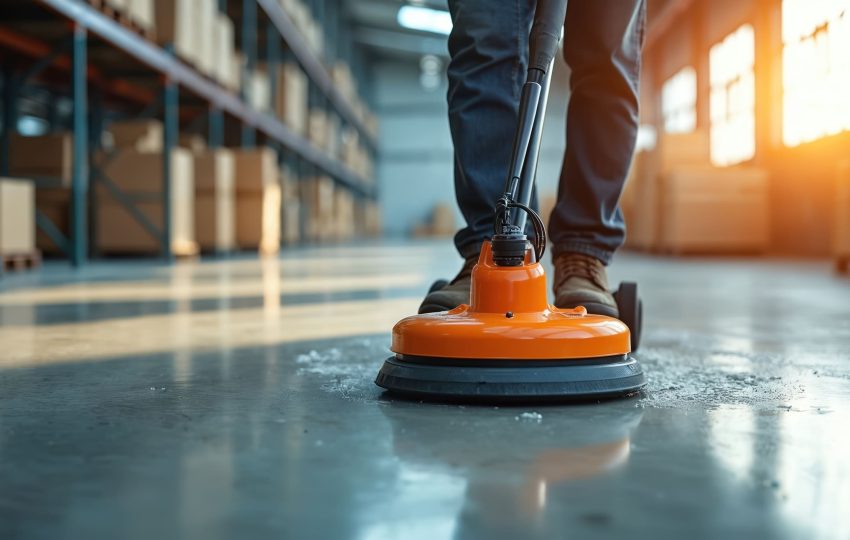
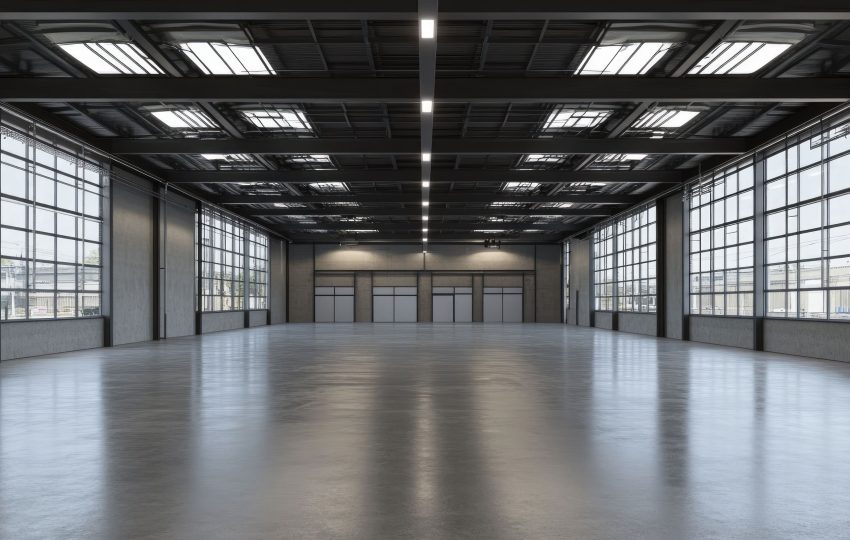
Industrial Applications of sun.
Independent by Design, we specify epoxy configurations based on performance alignment — not manufacturer limitation.
Serving commercial and industrial facilities across Whitby, Toronto, and the Greater Toronto Area.
Substrate diagnostics
Load classification
Lifecycle expectations
Environmental exposure
Moisture conditions
SURFACE PREPARATION REQUIREMENTS
All systems are installed over mechanically prepared substrates:
- Shot blasting (ICRI CSP 3–4 typical)
- Diamond grinding (as required)
- Crack and defect repair
- Moisture testing and evaluation
Improper preparation is the leading cause of system failure.
LIMITATIONS & SPECIFICATION NOTES
- Penetrating sealers do not create a wear layer
- Film-forming sealers may require maintenance cycles
- Not all systems provide chemical resistance
- Not suitable for high-moisture slabs without mitigation
System selection must always be performance-driven.
IMPORTANT
We do not install sealers as standalone cosmetic applications.
All systems are:
- substrate-driven
- performance-specified
- engineered for long-term durability
SEALING VS COATING — HOW TO CHOOSE
Condition | Recommended Approach |
Light-duty environments | Sealing system |
Moderate industrial use | Densification + guard |
Heavy traffic / chemical exposure | Full coating system |
Moisture-sensitive slabs | Moisture mitigation system |
NOT OPTIONAL
Moisture mitigation is not an upgrade — it is often a necessity.
It is the difference between: long-term performance , premature failure
OUR CONTACTS
REQUEST A SYSTEM EVALUATION
Choosing the right system is the difference between long-term performance and premature failure.
If you’re unsure whether your project requires sealing or a full coating system, we will guide you through a performance-based evaluation tailored to your environment.
Request a consultation
Get a system recommendation
Build for durability — not short-term appearance
Schedule a Consultation
+1 647-531-6777
Email us
info@procuresurfacesolutions.ca
Serving the Entire GTA
Toronto, Mississauga, Brampton, Vaughan, Markham, Scarborough, Richmond Hill, Pickering, Whitby, Oakville, and surrounding areas.
Contact Us