
Aviation and Transportation Flooring Systems
Engineered Durability and Safety for High-Turnover Transit and Hangar Environments
In the aviation and transportation sectors, flooring systems must withstand extreme mechanical loads, aggressive chemical exposure, and constant pedestrian or vehicular traffic. From heavy aircraft maintenance hangars to high-volume transit hubs, the surface must be engineered for safety, visibility, and long-term structural integrity. At Procure Surface Solutions, we deliver specialized flooring systems designed for the unique rigors of the transportation industry across the Greater Toronto Area and surrounding industrial markets.
We do not simply provide “garage floor” finishes; we engineer high-performance systems that meet the strict safety and chemical resistance standards required for aviation and transit operations.
Where Aviation and Transportation Systems Work — And Where They Don’t
The demands on a hangar floor are vastly different from those of a public subway station or a bus maintenance facility.
Ideal Applications:
- Aircraft maintenance and storage hangars.
- Airport terminals, concourses, and baggage claim areas.
- Bus and rail maintenance facilities and service pits.
- Public transit stations and passenger platforms.
- Automotive manufacturing and assembly lines.
- Logistics hubs and cross-docking terminals.
Not Always Suitable For:
- Food processing areas with constant organic acid exposure (requires Urethane Cement).
- Light-duty retail where the mechanical thickness of aviation systems is unnecessary.
- Substrates with structural instability or significant active cracking.
System selection must be based on “Load Capacity” and “Chemical Exposure”—not just appearance.
Why Standard Floors Fail in Transportation Hubs
Transportation environments face a specific set of “stressors” that destroy standard coatings, including Skydrol hydraulic fluid, heavy point loads, and abrasive grit.
Common causes of failure:
- Skydrol and Fuel Permeation: Standard epoxies softening or peeling when exposed to aviation hydraulic fluids (Skydrol) or jet fuel.
- Impact and Gouging: Heavy equipment, tool drops, and aircraft tugs breaking the bond of thin-mil coatings.
- Point-Load Stress: The immense weight of aircraft landing gear or bus axles crushing the resin layer against the concrete.
- Safety Hazards: Loss of slip resistance in wet weather (platforms) or poor visibility in maintenance bays.
The result:
- Delaminated surfaces that create foreign object debris (FOD) risks in aviation.
- Compromised passenger safety due to slippery transit platforms.
- Increased maintenance downtime and structural concrete damage.

Types of Aviation and Transportation Systems
We specify the system chemistry to handle the specific mechanical and chemical loads of the facility.
System Classifications:
Unsure which aviation-grade system meets your facility’s safety requirements? Contact our engineering team for a technical consultation.
Our Approach to Transportation Engineering
At Procure Surface Solutions, we coordinate around tight operational windows to keep your facility moving.
- Operational Audit: Assessing traffic cycles (pedestrian vs. heavy vehicle) and chemical exposure (Skydrol, fuels, salts).
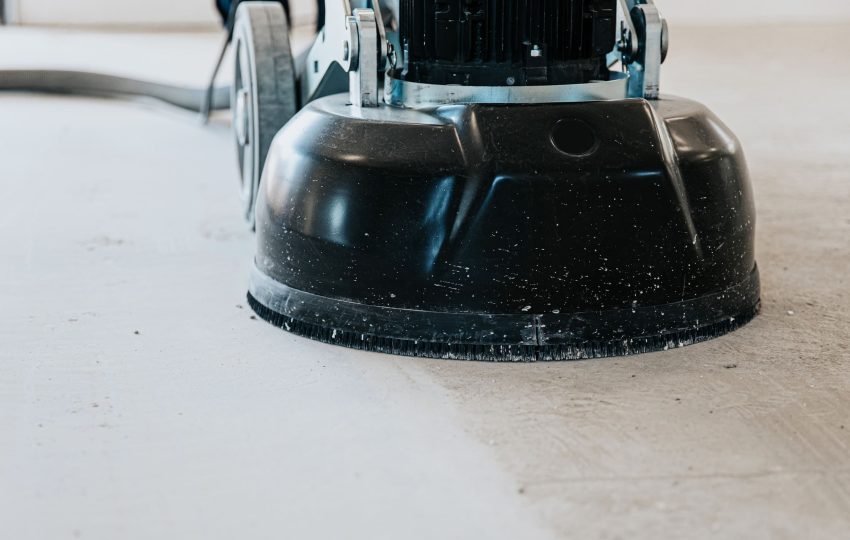
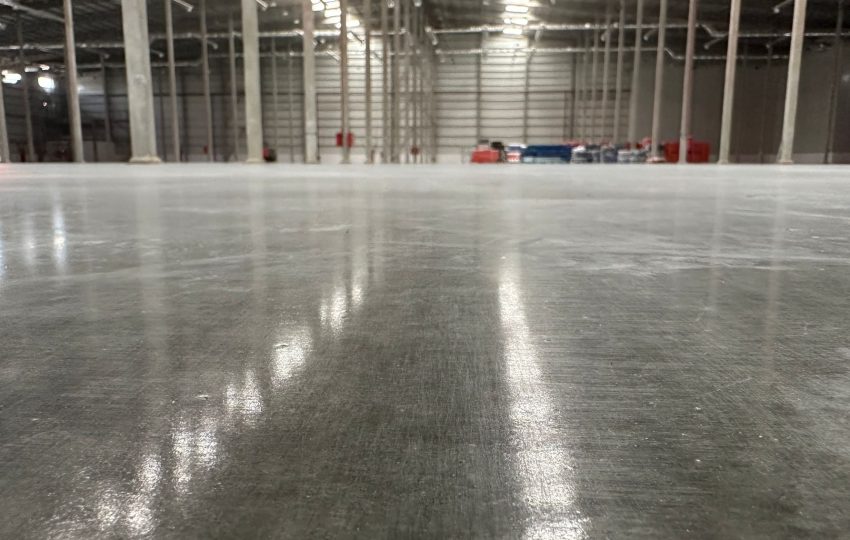
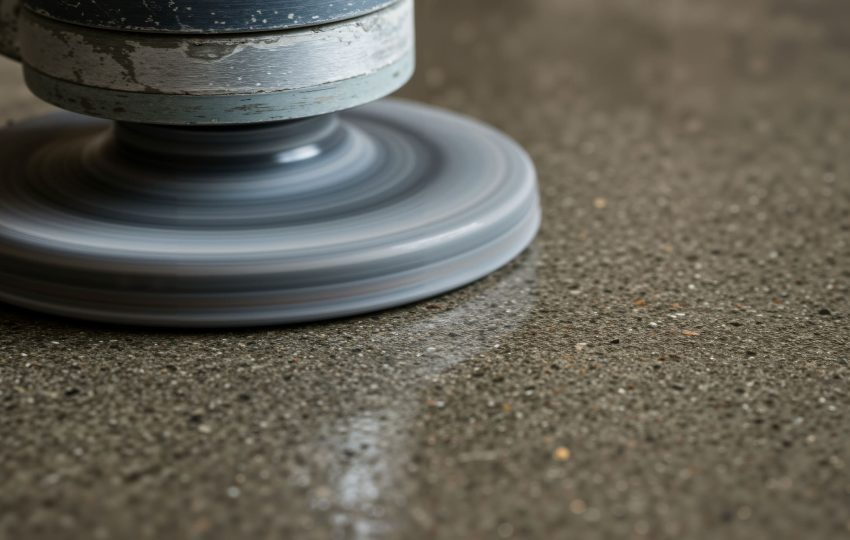
- Precision Preparation: Achieving a CSP 3-5 through dust-controlled mechanical profiling to ensure maximum bond.
- Substrate Stabilization: Repairing structural cracks and treating joints to handle heavy point-load transitions.
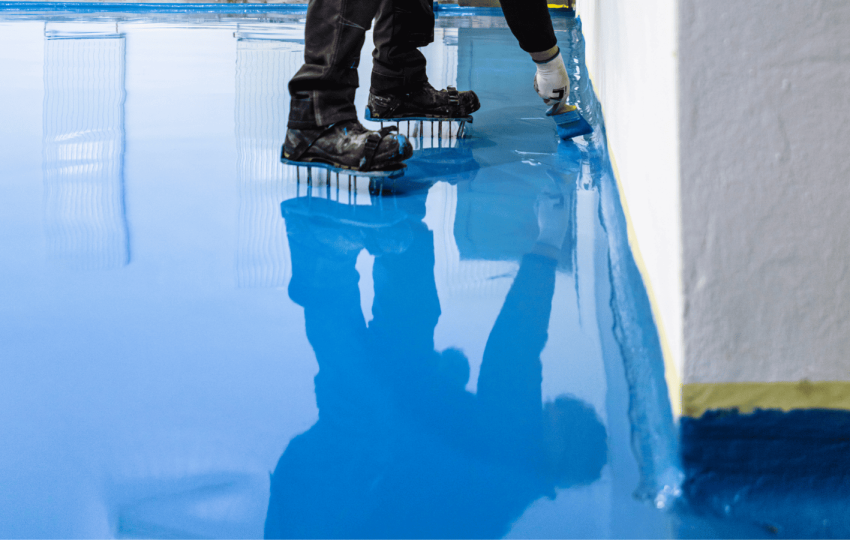
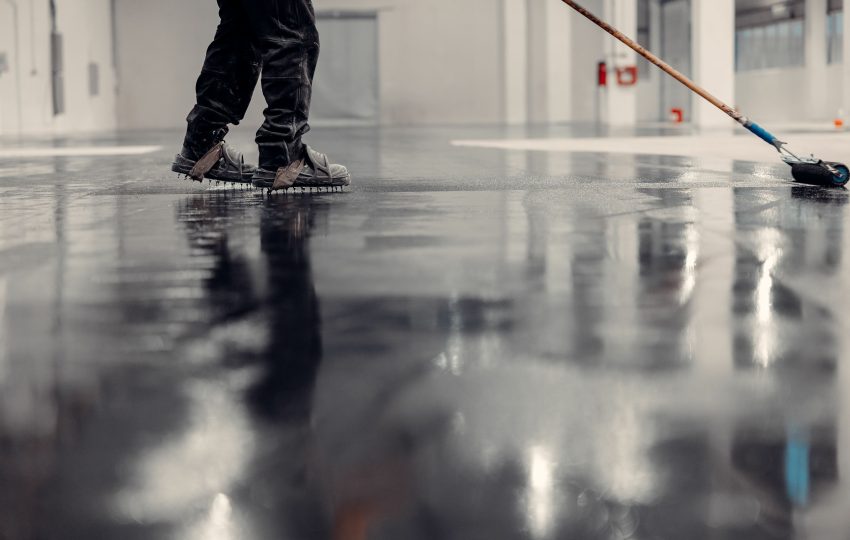
- Monolithic Application: Installing high-density layers that eliminate seams and prevent fluid penetration.
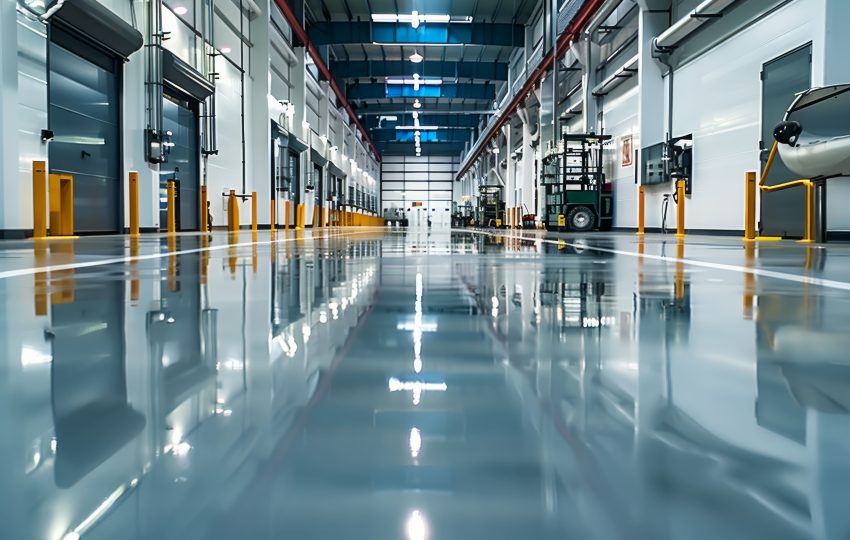
- Safety Detailing: Integrating high-visibility safety markings and non-slip textures into the final wear-layer.
Quality Assurance & Why Procure Surface Solutions
Transportation infrastructure requires a “zero-failure” mindset. We treat every hangar and transit platform as a mission-critical surface.
- FOD Prevention: Our seamless systems eliminate peeling and cracking, reducing the risk of Foreign Object Debris in aviation environments.
- Skydrol Resistance: We utilize specialized chemical-resistant topcoats designed specifically to withstand aggressive aviation fluids.
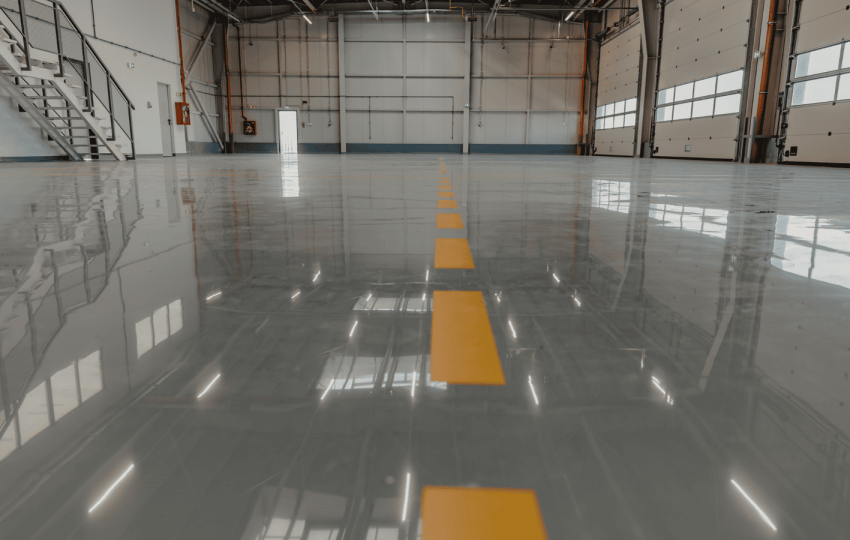
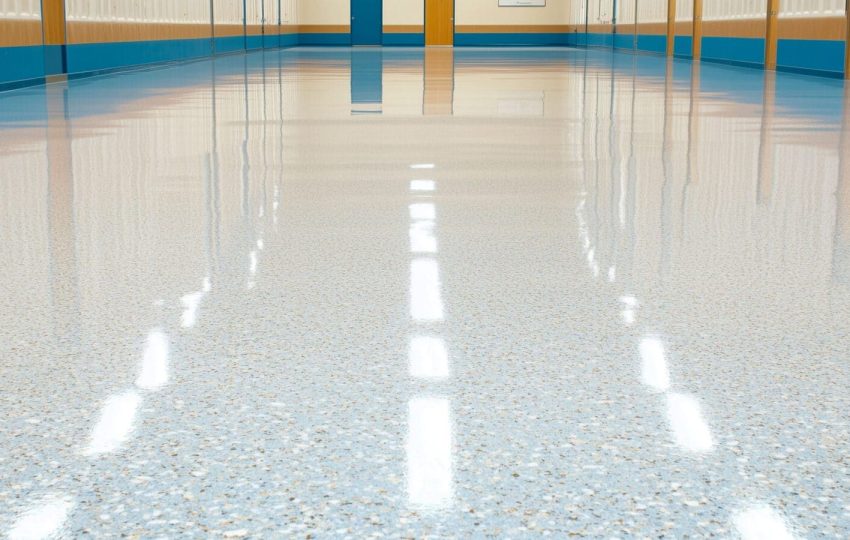
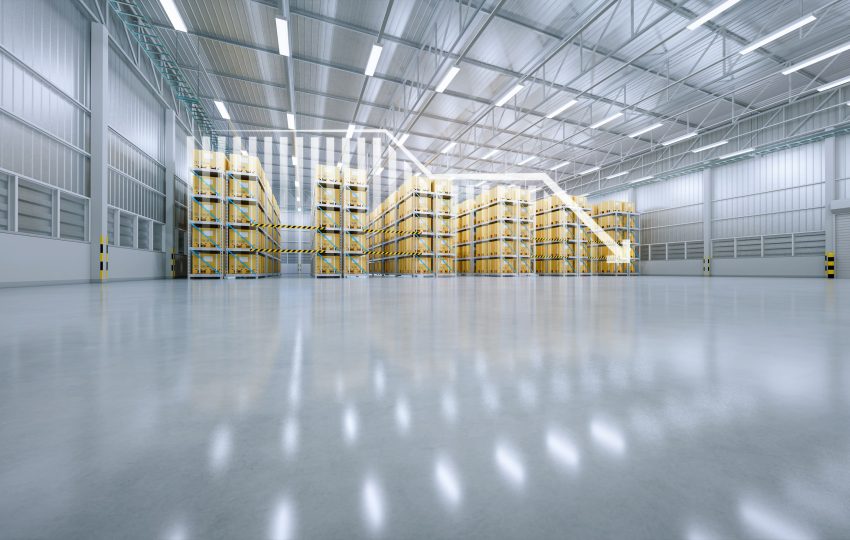
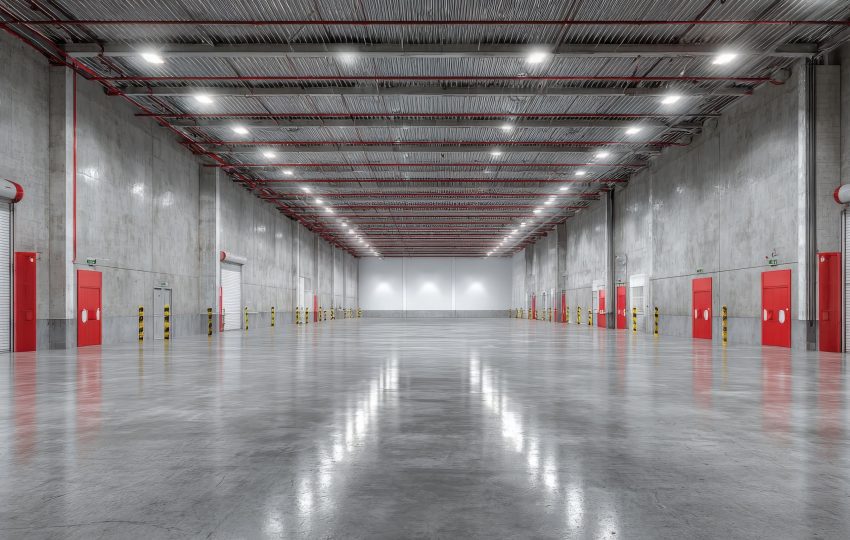
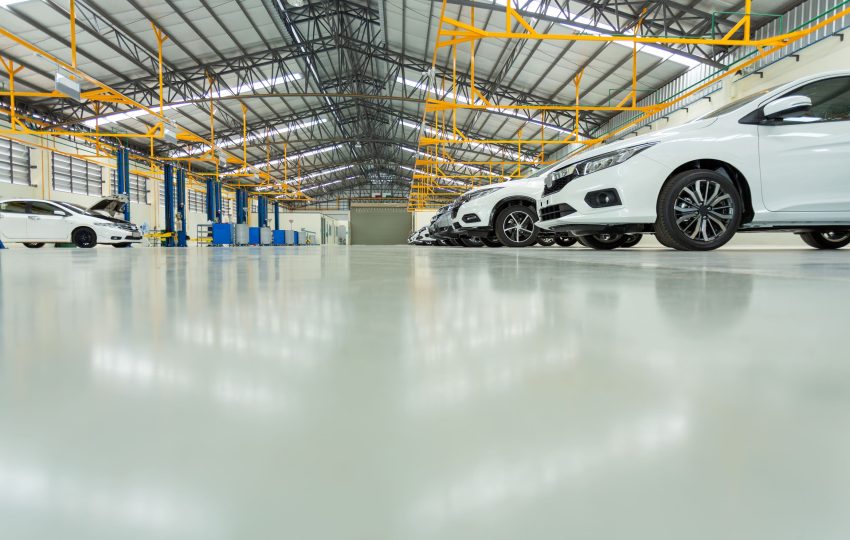
- High Reflectivity: We engineer light-reflective finishes for hangars to improve visibility for technicians working under aircraft.
- 45 Years of Combined Authority: We understand the complex logistics and safety standards of GTA transit and aviation authorities.
We do not install coatings—we engineer outcomes.

FAQs — Frequently Asked Questions in the GTA
Are your aviation systems resistant to Skydrol?
Yes. Standard epoxy will often soften when exposed to Skydrol. We specify high-density topcoats and specialized rapid-cure resins that are chemically inert to hydraulic fluids and jet fuels.
Can you install safety markings directly into the floor?
Absolutely. We can integrate high-visibility safety lines, pedestrian walkways, and “No-Go” zones directly into the resinous system so they never peel or wear off like standard floor paint.
How do you handle slip resistance on outdoor transit platforms?
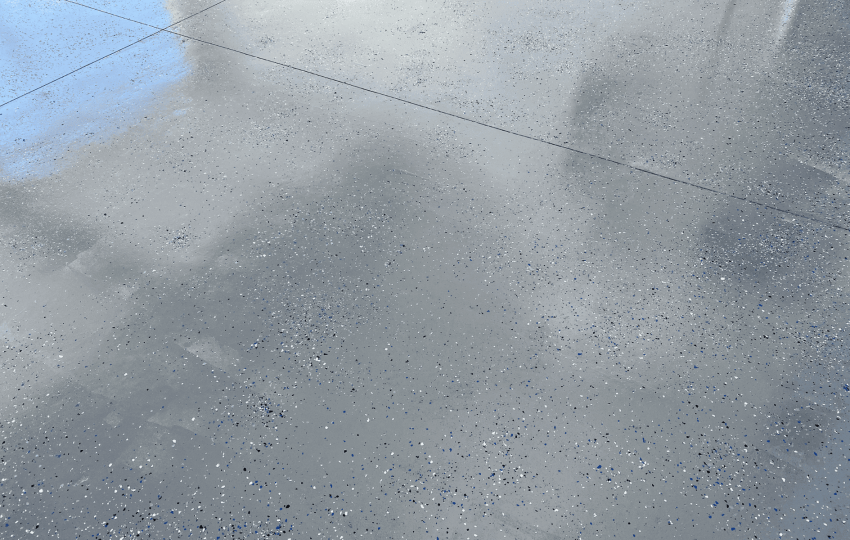
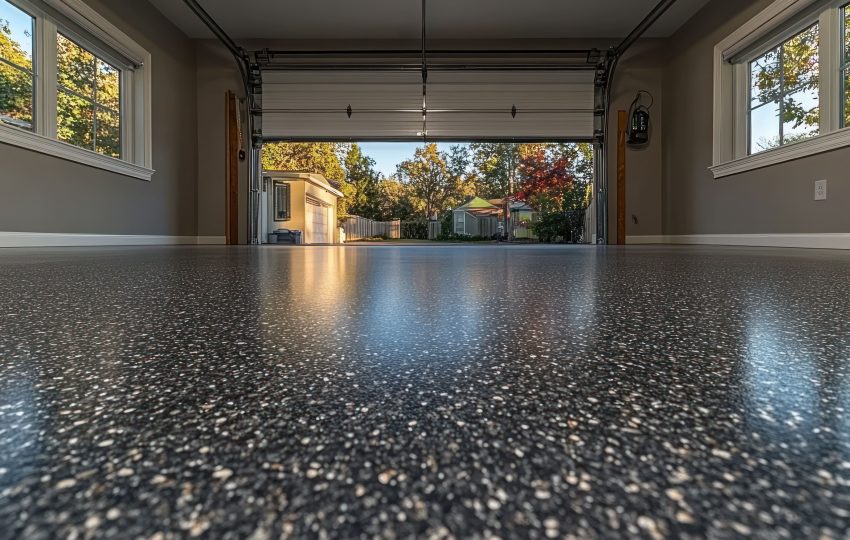
We use a “broadcast” method with specialized hard-wearing aggregates. This creates a textured surface that remains slip-resistant even when wet or slushy, ensuring passenger safety in Canadian winter conditions.
OUR CONTACTS
REQUEST AN Aviation or Transportation System Assessment
Tell us about your facility:
- Type of traffic (Aircraft, buses, or pedestrian).
- Specific chemical exposure (Skydrol, oils, road salts).
- Available downtime for installation.
Request Your Technical Consultation Today
Schedule a Consultation
+1 647-531-6777
Email us
info@procuresurfacesolutions.ca
Serving the Entire GTA
Toronto, Mississauga, Brampton, Vaughan, Markham, Scarborough, Richmond Hill, Pickering, Whitby, Ajax, Oshawa, Milton, Oakville, Burlington and surrounding areas.
Contact Us