
Seamless Chemical-Resistant Flooring Systems Toronto
Engineered Containment and Surface Protection for Aggressive Chemical Environments
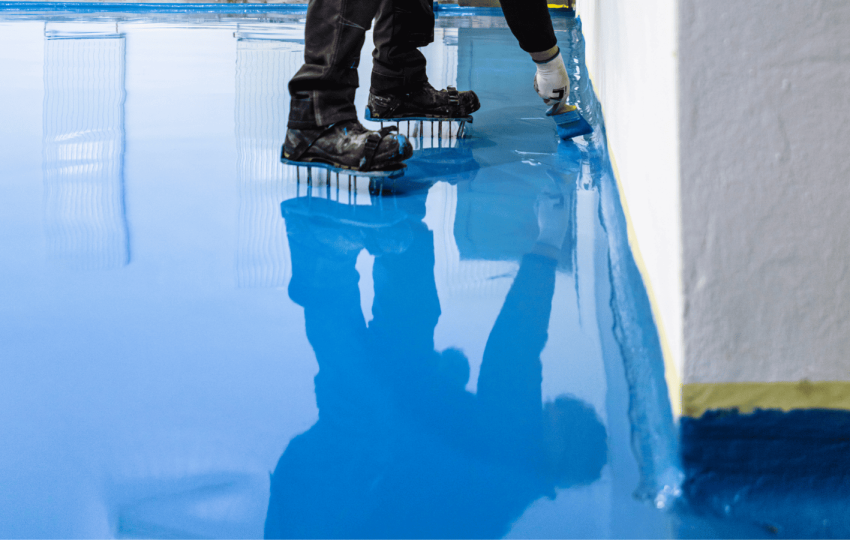
Chemical resistance is a graded spectrum of resistance based on concentration, temperature, and duration of exposure. At Procure Surface Solutions, we engineer seamless flooring systems that provide a liquid-tight barrier, protecting your substrate and the environment from corrosive attack across the Greater Toronto Area and surrounding industrial markets.
We do not guess on chemical compatibility; we match the resin chemistry to the Safety Data Sheets (SDS) of your specific facility to ensure long-term structural integrity.
Where Chemical Resistant Flooring — And Where It Doesn't
Chemical-resistant systems are designed for primary and secondary containment, but the resin chemistry must match the specific chemical profile of the facility.
Ideal Applications:
- Battery charging rooms (Sulfuric acid exposure).
- Chemical processing and storage areas.
- Pulp and paper mills and wastewater treatment facilities.
- Secondary containment dikes and pits.
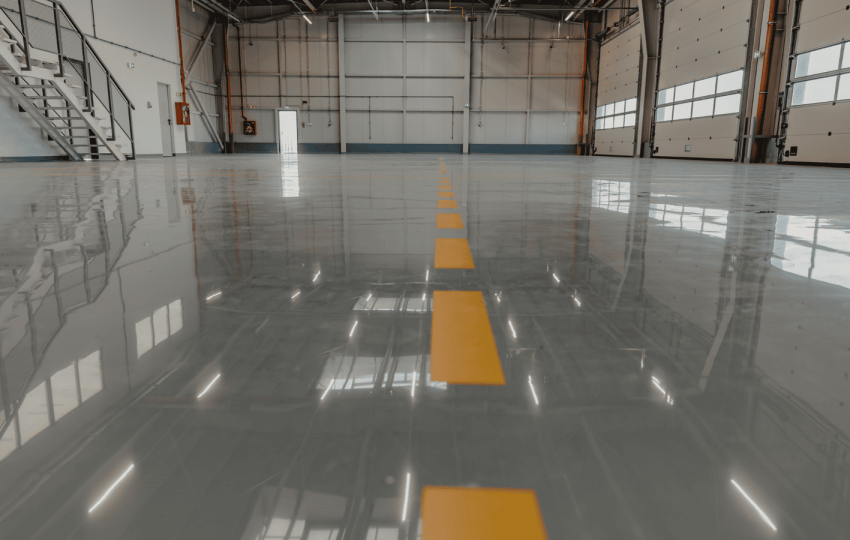
- Aircraft hangars (Skydrol and jet fuel resistance).
Not Always Suitable For:
- Environments where thermal shock is the only stressor (requires Urethane Cement).
- Decorative retail spaces where aesthetics outweigh chemical density.
- Facilities with extreme structural shifting requiring flexible elastomeric liners.
System selection must be based on the specific Chemical Resistance Chart—not generalities.
Request a Technical Consultation to review your facility’s chemical exposure profile.
Standard Floors Fail in Chemical Zones
When the wrong resin is exposed to an aggressive chemical, the failure is rapid. Once a chemical breaches the surface, it attacks the concrete foundations of the building.
Common causes of failure:
- Chemical Permeation: Using low-density resins that allow chemicals to soak through to the concrete.
- Joint Failure: Traditional floor joints allowing chemicals to seep into the soil or groundwater.
- Incompatibility: Using standard epoxy for high-concentration acids, causing softening or “charring.”
- Temperature Acceleration: Failing to account for the fact that hot chemicals are significantly more corrosive than cold ones.
The result:
- Concrete erosion beneath the coating and structural instability.
- Environmental fines due to sub-surface soil contamination.
- Compromised workplace safety due to degraded surfaces.
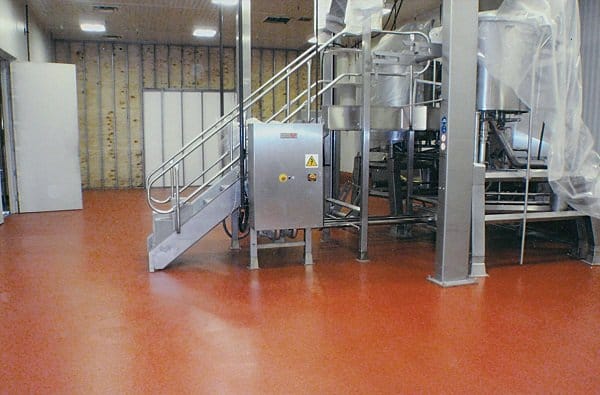
Types of Chemical Resistant Systems
The right system is determined by the specific pH levels and solvent types present in your operation.
System Classifications:
Unsure which resin chemistry handles your specific chemicals? Contact our engineering team for a compatibility analysis.
Our Approach to Chemical Engineering
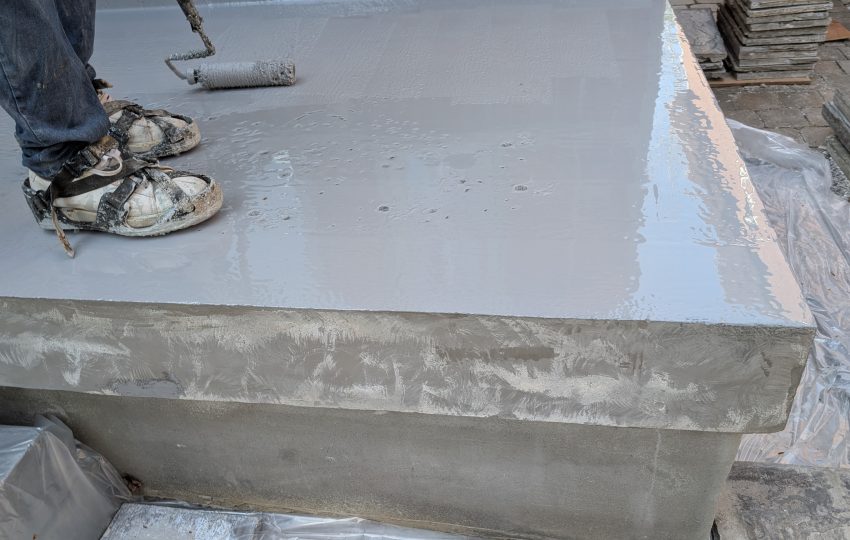
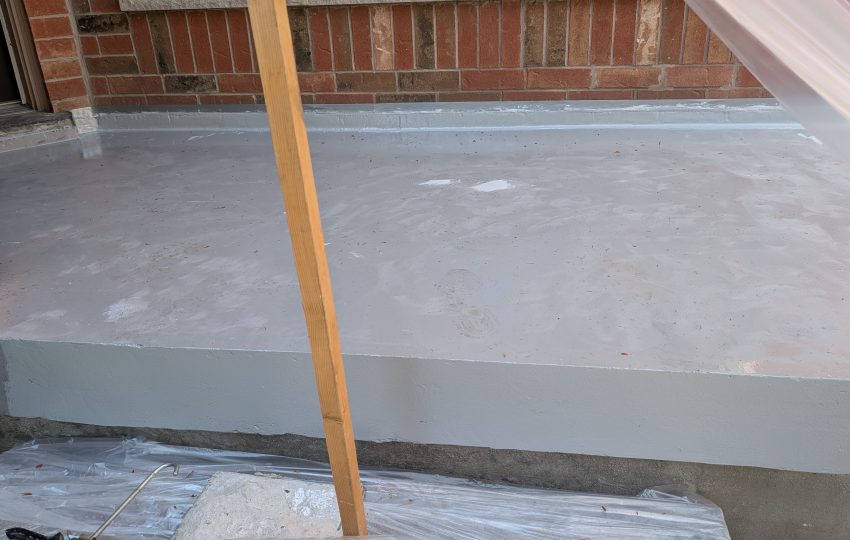
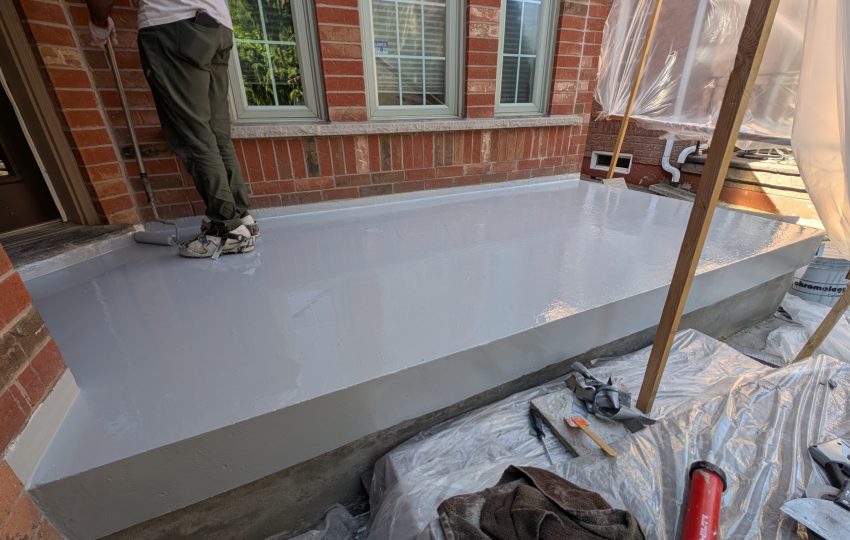
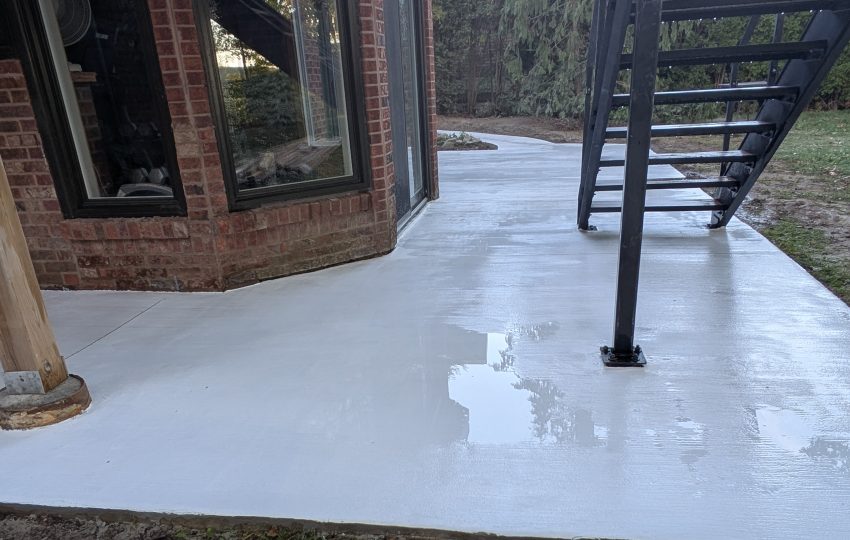
At Procure Surface Solutions, we do not simply apply a coating; we engineer a containment solution.
- Chemical Audit: Cataloging all Safety Data Sheets (SDS) for chemicals used in the facility.
- Exposure Profile: Determining if the floor faces constant immersion or intermittent spills.
- Substrate Integrity Test: Checking for existing contamination that could prevent a bond.
- Decontamination: Neutralizing existing salts or acids in the concrete before installation.
Quality Assurance & Why Procure Surface Solutions
Most chemical floors fail because the installer used a general-purpose product. We treat chemical resistance as a specialized engineering discipline.
- We utilize Novolac and Vinyl Ester technologies for high-concentration acids.
- We prioritize Secondary Containment standards to prevent environmental liability.
- We verify every square foot for pinhole-free integrity.
- We deliver outcomes that protect your facility and the environment.
We do not install coatings—we engineer outcomes.

FAQs — Frequently Asked Questions in the GTA
No. Resin chemistry is highly specialized. A system designed for high-concentration Sulfuric Acid (Novolac) may have a different resistance profile than one designed for Solvents or Jet Fuel. We match the floor to your specific chemical list.
Standard epoxy is for general wear; Novolac epoxy has a much higher cross-link density, allowing it to withstand concentrated acids that would melt or char a standard coating.
Yes. We specialize in monolithic linings that cover the floor, walls, and curbs, creating a single, seamless basin that meets environmental regulations for spill containment.
OUR CONTACTS
REQUEST A Chemical Resistance Assessment
Tell us about your exposure:
- List of primary chemicals and concentrations.
- Temperature of chemicals during exposure.
- Type of containment required (Spills vs. Immersion).
Request Your Technical Consultation Today
Schedule a Consultation
+1 647-531-6777
Email us
info@procuresurfacesolutions.ca
Serving the Entire GTA
Toronto, Mississauga, Brampton, Vaughan, Markham, Scarborough, Richmond Hill, Pickering, Whitby, Ajax, Oshawa, Milton, Oakville, Burlington and surrounding areas.
Contact Us